

Mentalist Role Explained for Exceptional Events
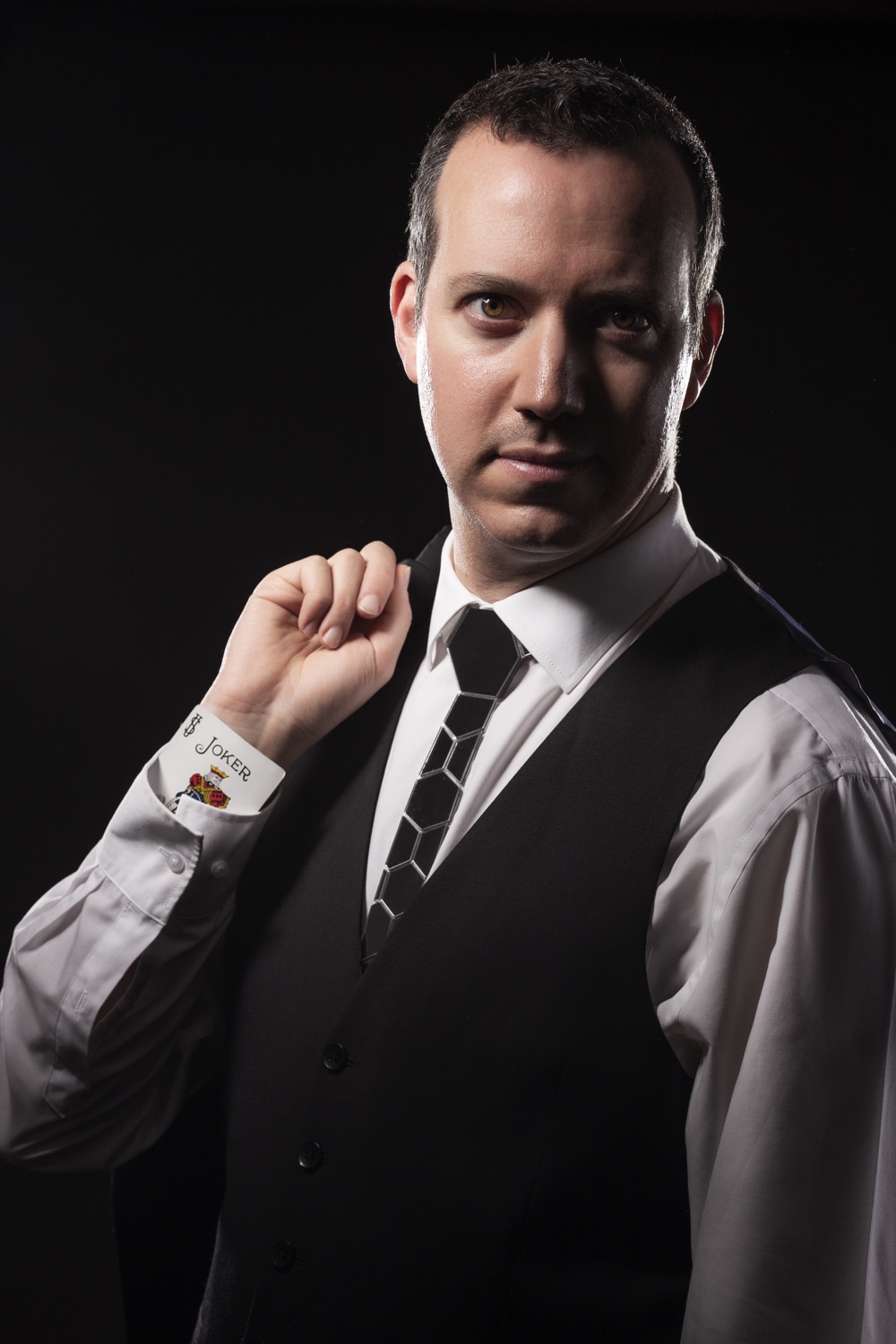
A well-judged moment of mind reading can change the temperature of a room. Guests who have only exchanged polite introductions suddenly have a story to share, an opinion to compare and a reason to stay in the conversation. That is the mentalist role explained in its most useful form for an event: not simply presenting impossible-looking demonstrations, but creating intelligent, personal moments that bring people together.
For corporate hosts, wedding couples and luxury-event planners, the distinction matters. A premium mentalist is not there to dominate the occasion or turn guests into unwilling participants. The role is to read the room, work within its rhythm and deliver contemporary entertainment that feels completely at home among the people, the venue and the purpose of the event.
What does a mentalist do at an event?
A mentalist creates the appearance of extraordinary intuition, influence, memory and thought-reading. A guest may think of a word, make a private choice, picture a person or decide on an outcome, only to find that the mentalist appears to know it. The impact comes from the sense that something personal and seemingly unknowable has been revealed.
At a live event, that experience is tailored for the setting. In a drinks reception, it might be an elegant close-up moment for small groups. At a dinner, it may provide a focused interlude between courses. For a conference, awards evening or product launch, mentalism can become a structured stage piece with a clear message, strong audience participation and a memorable final reveal.
The best performances do not claim supernatural powers or rely on outdated theatrical clichés. They are intelligent, assured and entertaining, with the emphasis on the guests' reactions rather than the performer's ego. No clichés, no gimmicks - just moments that feel genuinely remarkable.
The mentalist role explained: engagement, not interruption
Event entertainment succeeds when it gives people something worthwhile to do with one another. That is particularly valuable at occasions where guests arrive from different teams, families or professional circles. A mentalist provides a natural social bridge.
Close-up mentalism works especially well because the experience is shared. A small group watches as one person makes a decision, another confirms details and everyone reacts to the result. The performance gives strangers an immediate common reference point. Instead of asking what they do for work, they are debating how a thought could possibly have been known.
This is why mentalism is often effective at networking events and exhibitions. It breaks down the first few minutes of formality without forcing people into a contrived icebreaker. The right performer can attract a cluster of interested guests, create a welcoming energy around a stand or gathering, then leave people talking long after the interaction ends.
There is a commercial dimension too. At a brand event, entertainment should not feel detached from the client's objective. A tailored mentalism performance can reflect a campaign message, product theme or company value without becoming a sales pitch. The aim is not to insert a logo into every moment. It is to make the experience feel considered, relevant and worth remembering.
Close-up, stage or roaming: choosing the right format
The format should follow the event plan rather than the other way round. A performer who understands events will recommend an approach based on guest numbers, venue layout, timing and the kind of atmosphere required.
Close-up mentalism for receptions and networking
Close-up performance is designed for the spaces between the formal parts of an occasion. It is ideal during wedding drinks receptions, corporate arrivals, cocktail parties, dinners and networking sessions. The mentalist moves discreetly between groups, ensuring guests are entertained without being separated from the social flow.
This format works particularly well for mixed groups. It is visual enough to engage people watching nearby, but personal enough to make each interaction feel exclusive. It also avoids a common problem at large events: the feeling that only the guests nearest the stage received the entertainment.
A stage mentalism performance for shared impact
A stage or cabaret performance gives every guest a collective experience. It is often the right choice after dinner, at an awards event or as a headline moment within a conference programme. The room has one focal point, the energy builds together and the final reaction belongs to everyone.
It does, however, require the right conditions. Sightlines, sound, lighting, seating and the schedule all affect the result. A stage piece should be timed with care, especially where speeches, service or a tight running order are involved. In a small, informal space, close-up work may deliver greater impact than a stage show simply because it feels more immediate.
Roaming performance for flexible events
Roaming mentalism suits events with changing guest movement, such as exhibitions, hospitality areas and large receptions across multiple spaces. The performer can respond to where the energy is needed, helping quieter areas feel included while avoiding interruption to important conversations.
The key is discretion. Premium entertainment should enhance the atmosphere, not compete with it. A skilled mentalist knows when to approach, when to move on and when a group would prefer a little space.
Why mentalism feels more personal than conventional entertainment
Many forms of entertainment are impressive from a distance. Mentalism is different because the material begins with the guest. Their name, their choice, their thought or their decision becomes part of the moment.
That personal quality makes reactions stronger, but it also calls for judgement. Not every guest wants to be placed in the spotlight. A refined mentalist invites participation rather than demanding it, and makes volunteers look good. The experience should feel flattering, surprising and enjoyable, never exposing or uncomfortable.
For weddings, this means keeping the focus on celebration rather than making a couple feel like props. For corporate events, it means respecting hierarchy, cultural differences and the value of guests' time. At high-profile private gatherings, it means understanding that privacy and poise are as important as the performance itself.
What clients should expect from a professional mentalist
The visible performance is only part of the role. Before the event, a professional mentalist will establish the practical details: guest numbers, audience profile, venue access, performance windows, dress code and the intended tone. For a brand-led event, there may also be a conversation about messaging, launch plans or guest priorities.
On the day, the performer should be self-sufficient, punctual and appropriately presented. They should understand the difference between a busy reception that needs light-touch interaction and a dinner where the entertainment needs to work around service. They should be able to adapt if speeches overrun, guest numbers change or a room layout creates unexpected challenges.
Credibility matters here. Video, client feedback and experience with discerning audiences are useful indicators, but so is the quality of the initial conversation. The best booking decisions are based on whether the entertainer understands the occasion, not merely whether they can perform an impressive trick.
Stephen Barry approaches mentalism as event enhancement: polished, contemporary performance built around the people in the room and the outcome the host wants to create. That may mean sparking conversation at a senior networking event, giving wedding guests a shared highlight or creating a standout moment around a premium brand.
When mentalism is the right choice - and when it may not be
Mentalism is a strong choice when guest interaction is a priority. It suits hosts who want an experience with sophistication and personality, rather than background entertainment that can be easily ignored. It is also valuable where a room needs warmth quickly: a launch reception, a wedding lull between ceremony and meal, or an exhibition stand competing for attention.
It may be less suitable if the event needs loud, high-energy spectacle throughout, or if the schedule leaves no space for guests to pause and engage. A packed nightclub-style party, for example, may benefit more from music-led entertainment. Equally, a very formal board dinner may call for short, carefully placed interactions rather than a full performance.
The question is not whether mentalism is impressive in isolation. It is whether it serves the event. When the answer is yes, it can create the rare kind of moment guests replay to one another before the evening is over.
For a gathering that deserves more than a standard talking point, choose entertainment that gives guests a reason to connect - and give that experience the space in the schedule to do its best work.


Comments