

Wedding Venue Magic Guests Actually Remember
A wedding can look exceptional on paper: a remarkable venue, a considered menu, beautiful florals and a room full of people who matter. Yet the point at which guests truly connect is often less predictable. Wedding venue magic gives those in-between moments a purpose, creating spontaneous reactions, conversation and shared memories without pulling focus from the couple.
For venues and couples alike, this is not about adding a novelty act to an already busy schedule. It is about making the atmosphere feel effortless from the first welcome drink to the final evening celebration.
Why wedding venue magic earns its place
Every wedding has natural pauses. Guests arrive at different times, photographs begin, rooms are turned around and the newlyweds are briefly unavailable. Left unmanaged, these gaps can feel longer than they are. Guests may stay with the people they know, check their phones or quietly wait for the next formal moment.
A contemporary close-up magician changes that dynamic. Rather than asking everyone to stop what they are doing and watch a show, the performance happens within small groups, at the bar, around tables or during the drinks reception. People are drawn into an impossible moment together, then immediately have something to discuss with those beside them.
That distinction matters. The best entertainment does not compete with the wedding. It supports the flow of it. It helps a grand country house feel relaxed, gives a city venue warmth and ensures a marquee reception has energy from the outset.
For a premium venue, it also protects the guest experience. Couples have invested in the setting, food and service because they want their guests to feel looked after. Intelligent magic provides another layer of personal attention, delivered with discretion and without disrupting the venue team.
The moments that benefit most
Wedding venue magic works particularly well when it is positioned around the rhythm of the day rather than treated as an isolated booking. The drinks reception is the most popular choice for good reason. While the couple are having photographs taken, guests are often in their smartest clothes, enjoying a drink and meeting family members for the first time. Close-up magic gives that period momentum.
The wedding breakfast can be equally effective. A performer can move between tables after the meal or while coffee is served, keeping the room animated without delaying speeches. This is especially useful where there is a longer turnaround between dining and the evening reception.
For some celebrations, a short after-dinner performance or mind-reading set is the right fit. This works best where the room layout, guest numbers and timetable allow everyone to give the moment their attention. It can provide a memorable shared highlight, but it is not always the strongest choice. At a wedding with a packed schedule, roaming close-up entertainment often offers greater flexibility.
Evening entertainment has a different role. As day guests begin to leave and evening guests arrive, the atmosphere needs to reset. Magic can bridge those two groups quickly, helping new arrivals feel involved rather than as though they have joined halfway through someone else’s celebration.
What guests remember is how it made them feel
No couple needs another supplier simply filling time. They need an experience that works for grandparents, university friends, colleagues and children old enough to take part, all within the same room.
Contemporary magic succeeds because it is social. A brilliant effect is only the starting point. The real value is in the laughter around it, the guest who insists they saw exactly what happened, and the table that keeps comparing theories long after the magician has moved on. Mentalism can add another dimension, creating personal, astonishing moments that feel impossible without becoming uncomfortable or intrusive.
This is why presentation matters as much as skill. Dated patter, over-familiar jokes and forced participation can make guests retreat. A polished performer reads the room, approaches groups at the right moment and knows when to move on. No clichés, no gimmicks, no pressure on anyone to become the centre of attention.
The result should feel like part of the wedding’s standard, not an interruption to it.
Choosing the right style for your venue
A venue is not just a backdrop. It shapes how entertainment should be delivered. A historic hall with several intimate reception rooms calls for a different approach from a modern hotel ballroom or a large outdoor summer celebration.
At a compact venue, the priority is subtlety. Close-up magic that plays to small groups can maintain an elegant atmosphere and avoid gathering crowds in narrow spaces. In a larger venue, the performer may have more room to circulate and can make sure guests at the edges of the reception receive the same attention as those near the bar.
Outdoor weddings need practical consideration. Wind, weather, noise and guests moving between lawns, terraces and marquees can all affect the experience. A professional entertainer plans around this rather than relying on one fixed performance point. The magic should travel with the celebration and remain effective if the British weather changes the plan.
It is also worth considering the venue’s existing character. A formal London hotel, a Hertfordshire barn and a private estate each create a different expectation. The performance should complement that setting through its pace, appearance and tone. Premium does not have to mean stiff, but it does mean considered.
The guest list changes the answer
Guest numbers influence timing, but they do not tell the whole story. One hundred guests split across familiar family groups may be easier to engage than sixty people who have never met. A skilled magician can use entertainment to soften those social boundaries, particularly where two families, friendship circles or cultures are coming together.
If your guests are naturally sociable, the performance can be fast-moving and energetic. If the room is more reserved, a measured, personable approach will work better. This is where a consultation before the day is valuable: it allows the entertainment to be planned around real people, not a generic wedding template.
How to build magic into the schedule
The simplest plan is often the strongest. Choose one main window where guests will genuinely benefit from interaction, then give the performer enough time to reach the room properly. For a drinks reception, two hours is frequently more effective than trying to compress the experience into a rushed forty-five minutes.
Share the timings with your wedding planner, venue coordinator and photographer. They do not need to manage the performance, but they should know where the entertainer will be most useful. A professional magician will work around photographs, speeches, catering and any venue restrictions with minimal involvement from the couple.
Avoid scheduling magic during a moment guests are expected elsewhere, such as immediately before a call to dinner or while a key supplier needs the room cleared. The aim is not to hold people up. It is to make waiting feel worthwhile.
It is also sensible to brief the performer on significant details: the couple’s names, the venue layout, any surprise elements and the broad mix of guests. This is not about manufacturing sentiment. It gives the entertainer the context needed to make good decisions in the room.
What couples and venues should look for
A wedding performer represents more than their own service. They become part of the first impression guests form of the celebration and, by extension, of the venue. Experience, presentation and communication are therefore non-negotiable.
Look for clear evidence of high-level wedding and event work, professional footage, credible client feedback and a style that feels current. Ask how the performer handles a changing schedule, whether they are comfortable working alongside photographers and coordinators, and how they tailor the experience to mixed groups. The answers should be confident and specific, not vague promises of fun.
There is a trade-off between price and assurance. A lower-cost booking may seem attractive, but weddings leave little room to recover from entertainment that arrives late, dominates the room or fails to connect. The right performer is an investment in the atmosphere you have worked so hard to create.
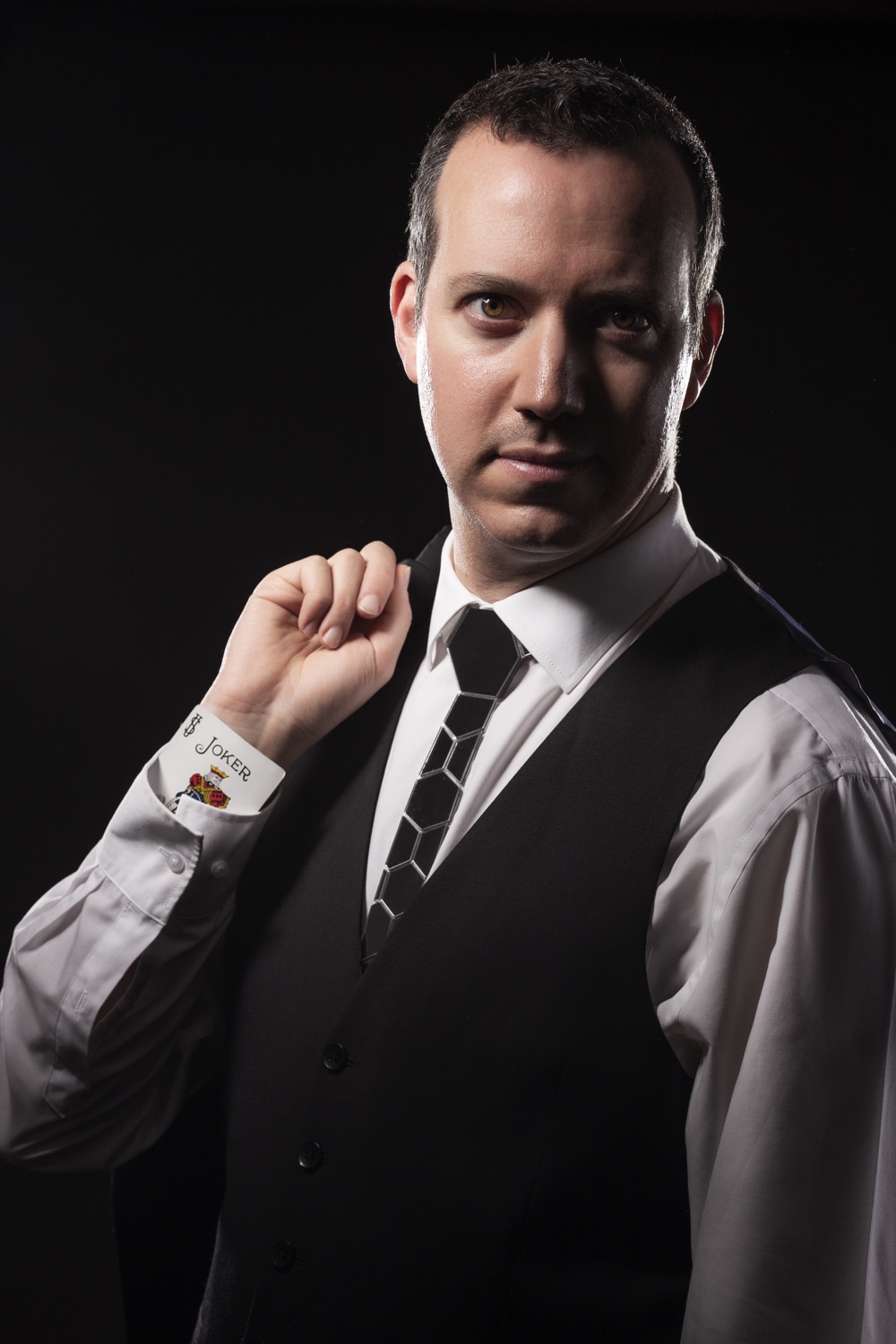
Stephen Barry approaches wedding entertainment as a personal, polished experience: direct engagement, intelligent close-up magic and mind reading, all delivered with the awareness expected at high-level occasions.
Give the day room to happen
The most successful weddings do not feel over-programmed. They leave space for people to talk, celebrate and be surprised. Well-placed magic does not fill that space with noise. It gives guests a reason to step into it together.
When choosing entertainment for your venue, ask a simple question: will this help people feel more connected to the celebration? If the answer is yes, the memories will continue long after the last glass has been cleared.


Comments