.png)

12 Best Icebreakers for Business Events That Work
The first ten minutes set the temperature for the entire room. Guests arrive, collect a drink, check their mobile phones and scan for a familiar face. The best icebreakers for business events turn that hesitant pause into genuine conversation without making senior guests, clients or colleagues feel managed.
For a premium corporate event, the aim is not simply to get people talking. It is to create the right sort of interaction: relaxed, relevant and memorable enough to support the reason everyone is there. Whether you are hosting a client reception, exhibition stand, leadership conference or internal celebration, an icebreaker should feel considered rather than compulsory.
What Makes an Icebreaker Work at a Business Event?
A good icebreaker gives people an easy first line, a shared moment and permission to speak to someone new. A poor one asks too much too soon. Forced games, public singling-out and overly personal questions can make a polished event feel awkward, particularly when the room contains clients, executives and guests meeting for the first time.
The right choice depends on the format. A breakfast briefing may need a concise prompt that gets delegates seated and engaged. A networking reception needs movement and natural introductions. An exhibition needs a reason for visitors to pause, participate and remember your stand after they leave.
Above all, keep the activity aligned with the event's level. If your brand is sophisticated, the guest experience should be too. No clichés, no gimmicks, and no activity that leaves people wishing they had stayed by the bar.
12 Best Icebreakers for Business Events
1. A question with a commercial point
Use a question that relates to the audience's expertise, rather than a generic fact about themselves. At a leadership event, ask: “What is one decision that made the biggest difference to your team this year?” At a sector event, ask guests what change they expect to shape the next 12 months.
Display the question discreetly on table cards or event screens. It gives people a useful opening without demanding a performance from anyone.
2. Curated introductions
Rather than leaving networking entirely to chance, have your host or event team introduce selected guests based on a genuine overlap: a shared market, complementary role or common challenge. “You are both working on customer retention” is far more useful than “Have you two met?”
This works especially well for smaller executive dinners and VIP receptions, where the quality of each conversation matters more than volume.
3. Conversation cards at tables
A small set of well-written cards can change the mood of a seated dinner or awards evening. Avoid school-style quiz questions. Instead, use prompts such as: “What piece of advice has stayed with you?” or “What would make your working week noticeably better?”
Use these sparingly. Three thoughtful prompts are enough to revive a table between courses or before the programme begins. The cards should look like part of the event design, not an afterthought.
4. A live audience poll
A quick poll gives a room an immediate shared reference point. Ask guests to vote on a timely industry question, a prediction or a business dilemma, then reveal the result on screen. A confident host can use the outcome to start a short discussion or introduce the next speaker.
This is particularly effective at conferences and company meetings. It creates participation without putting individuals on the spot, although it does require reliable event technology and a question worth answering.
5. Find your connection
Invite guests to discover one non-obvious professional connection with another person in the room. They may have worked with the same client, entered the industry in the same year or faced a similar business challenge. The emphasis should remain professional and voluntary.
This gives networking a little direction while still allowing conversations to develop naturally. It is more appropriate for a relaxed reception than a formal board-level gathering.
6. A shared challenge at the table
A short, intelligent problem-solving challenge can energise tables before a conference session or after lunch. Give small groups five minutes to decide how they would approach a realistic scenario related to the event theme. Then invite one or two tables to share an idea.
Keep the challenge straightforward and the stakes light. The purpose is not to test people, but to create a reason to collaborate with the people beside them.
7. A striking arrival experience
Sometimes the strongest icebreaker happens before the formal event begins. A visually interesting welcome, an elegant photo moment or an unexpected piece of close-up entertainment can give arriving guests something immediate to discuss.
This approach is valuable because it asks very little of the audience. Guests are not instructed to mingle. They simply have a shared experience, and conversation follows. For brand launches, drinks receptions and high-value client events, that can be more effective than any scripted networking exercise.
8. Close-up magic and mind reading
Live close-up magic is one of the most natural icebreakers for a business event because it gathers small groups organically. People who have never met are suddenly reacting to the same impossible moment, comparing what they saw and introducing themselves without being prompted.
The quality of the performance matters. Contemporary magic and mind reading should feel intelligent, personable and polished, never intrusive or theatrical for the sake of it. A skilled performer can move between groups, read the pace of the room and make sure no guest is left on the edge of the occasion.
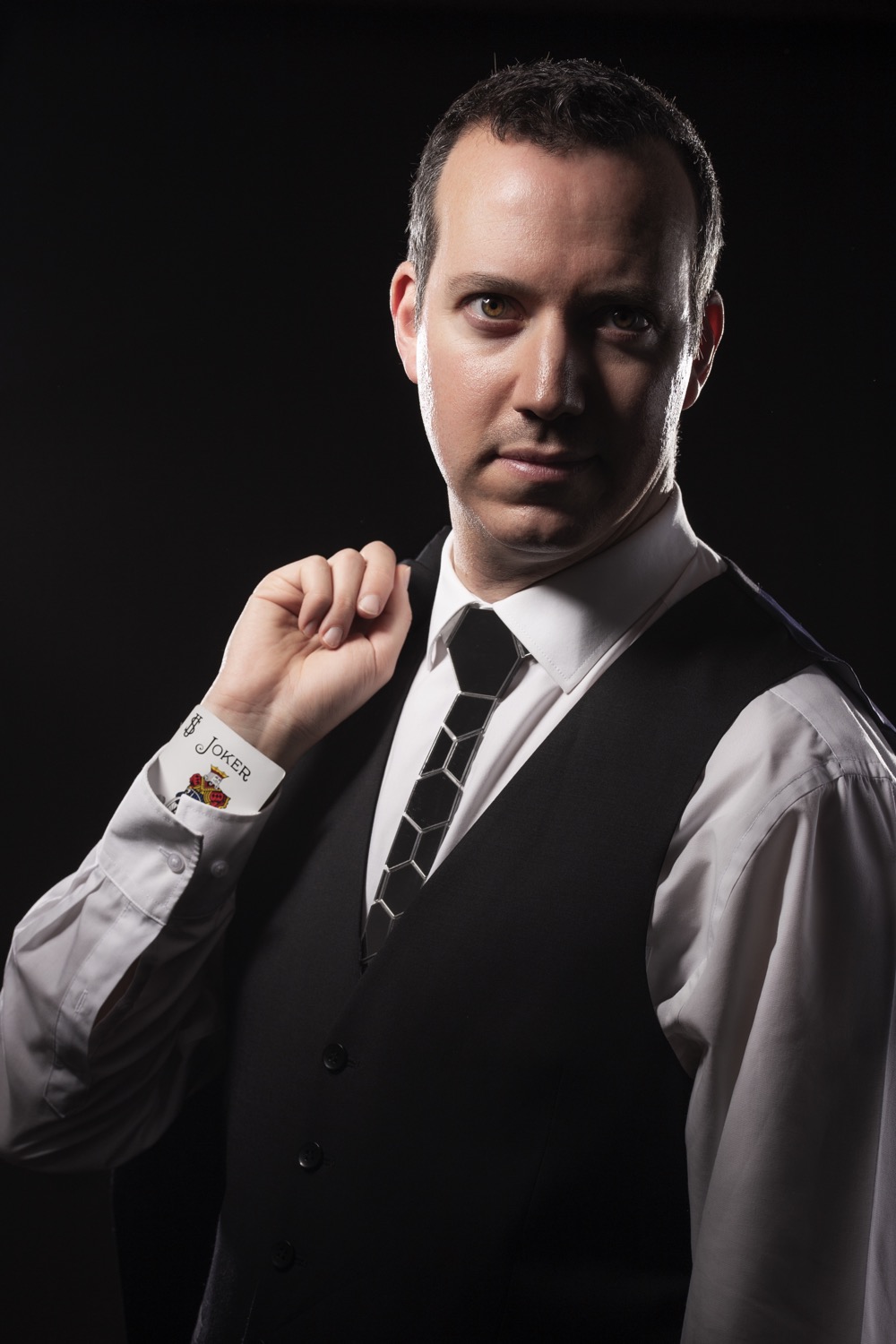
For exhibitions, it can also create a compelling reason to stop at a stand. For a corporate reception, it fills the early-arrival period with energy while still leaving room for meaningful conversation. Stephen Barry designs this kind of direct audience engagement around the event, the guests and the desired outcome.
9. The event wall
Create a simple physical or digital display where guests can add a brief answer to one carefully chosen prompt. “What are you looking forward to this year?” or “What is one idea worth sharing?” can work well. As responses build, the wall becomes both an attraction and a conversation starter.
This is best for events with a longer arrival window, such as exhibitions, conferences and all-day gatherings. It needs strong visual presentation and a clear purpose, otherwise it becomes background decoration.
10. A host-led room read
An experienced presenter can acknowledge the mix in the room and invite light participation without launching into a formal game. For example, they might ask for a show of hands from first-time attendees, then encourage regulars to introduce themselves to someone new before the programme starts.
The difference is tone. It should feel like confident hospitality, not crowd control. Keep it brief, warm and relevant to the event.
11. Purposeful name badges
Name badges can do more than identify attendees. Alongside a name and organisation, include one useful detail such as an area of interest, a current priority or a conversation category. This gives strangers a natural opening and makes the badge earn its place.
For senior-level events, keep the information refined. A role, company and a subtle discussion prompt are usually sufficient. Too much information can feel contrived.
12. A memorable shared finale
Icebreakers do not have to be confined to arrival. A brief shared moment later in the event can reconnect a room after dinner, between sessions or before closing remarks. It might be a surprising mentalism demonstration, an audience reveal or a collective response to a question posed by the host.
When guests leave discussing the same moment, the event has gained momentum rather than merely filled time. That is particularly valuable when the next step is relationship-building, a sales conversation or a return visit.
How to Choose the Right Approach
Start with the audience rather than the activity. Senior clients may appreciate an elegant, low-pressure interaction, while a young and energetic internal team may enjoy a more participatory challenge. Consider the venue too. A crowded drinks reception benefits from roaming entertainment; a cabaret dinner allows for table-based prompts or a short stage moment.
Timing matters just as much. The first 30 minutes are usually the most valuable window for breaking down barriers. Guests are arriving in waves, and early interaction prevents the room settling into closed circles. If your event has a clear commercial objective, make sure the icebreaker supports it. A brand experience should feel on-brand. A networking event should make introductions easier. A celebration should create genuine warmth.
Avoid trying to do everything. One excellent icebreaker, delivered well, is more effective than a programme of activities competing for attention. Give guests space to talk once the conversation has started.
The most successful business events make interaction feel effortless. Choose an icebreaker that respects your guests, reflects the standard of your brand and gives people a reason to remember not only what was said, but how the room felt.



Comments