

Event Magic ROI Examples That Prove the Value
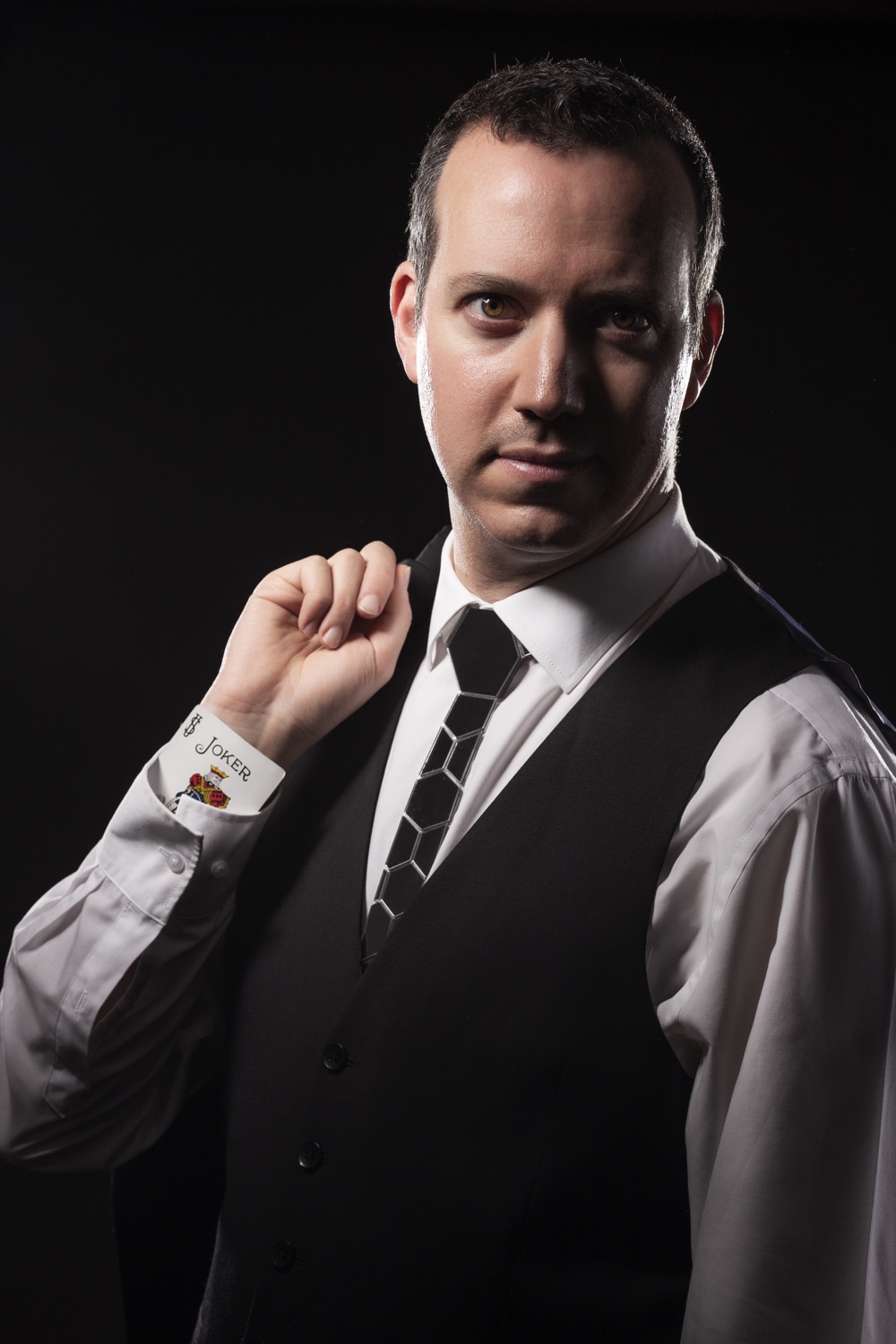
A premium event is rarely judged by the schedule alone. Guests remember whether the room felt flat or alive, whether conversations started naturally, and whether the experience gave them something worth sharing afterwards. The strongest event magic ROI examples show that intelligent live entertainment can influence those outcomes in ways that matter commercially and socially.
For corporate hosts, the return may be longer exhibition conversations, warmer prospect relationships or better attendance at a key moment. For wedding couples and private hosts, it may be the difference between a pleasant gathering and a room full of guests who genuinely connect. The calculation is not always a simple ticket-sale figure, but it should still be deliberate.
What ROI Means for Live Event Entertainment
Return on investment is often reduced to direct revenue. That is appropriate when an event has a clear sales mechanism, but it is too narrow for many corporate receptions, hospitality occasions, awards dinners and weddings.
A more useful view considers what the entertainment was hired to improve. Did it hold guests at an exhibition stand long enough for the team to qualify leads? Did it prevent the familiar lull between a ceremony and wedding breakfast? Did it give senior clients a memorable, thoughtful point of contact with a brand? Did it encourage colleagues who would normally stay in established groups to interact?
Contemporary close-up magic and mentalism work particularly well because they happen within the room rather than at a distance from it. A skilled performer can create small moments of astonishment among groups of guests, then move on before the interaction becomes intrusive. No clichés, no gimmicks, and no requirement for guests to sit quietly while the event pauses around them.
The right measure depends on the brief. Before booking, define the outcome you want to influence and how you will recognise success.
Event Magic ROI Examples for Corporate Events
An exhibition stand that earns more qualified conversations
Consider a business exhibiting at a two-day trade show. Its stand fee, build, travel and staffing already represent a significant investment, yet many visitors pass by without a reason to stop. A magician using tailored effects and smart conversation can create that initial reason without turning the stand into a sideshow.
Imagine the team normally records 40 meaningful conversations per day. With live close-up entertainment attracting small clusters and extending dwell time, that rises to 55. If 30 additional conversations over the event produce six qualified opportunities, and one becomes a £15,000 project, the return is straightforward. Even after the entertainment fee, the commercial case is compelling.
There is a trade-off. Magic cannot rescue an unclear proposition, poorly briefed staff or a stand positioned where nobody can find it. It is most effective when the performer is integrated into the team’s approach: attract, engage, introduce, then hand the conversation to a capable representative. The magic creates permission to talk; the business must make the conversation count.
A networking reception where introductions happen faster
Networking events can be productive, but they can also be a room of people checking name badges and waiting for someone else to begin. This is where event entertainment can have a less obvious but valuable return: reducing social friction.
A close-up magician gives strangers an immediate shared experience. Rather than opening with a forced business question, guests react together, compare what they saw and begin speaking naturally. For a membership organisation, professional-services firm or senior leadership event, that change in atmosphere can be the difference between polite attendance and meaningful connection.
Measure this through post-event feedback, attendance at future events, introductions made, or the number of guests who remain beyond the formal programme. If an event costs £8,000 to stage and better engagement helps retain two annual members worth £2,500 each, entertainment has contributed to an outcome with a clear value. The exact attribution will never be perfect, but that does not mean the influence is insignificant.
A client dinner that strengthens a high-value relationship
At a private dining event, the objective is rarely to generate an immediate lead. It is to make clients feel considered, valued and glad they accepted the invitation. A polished mentalism performance between courses, or discreet close-up magic during drinks, can make the occasion feel designed rather than merely booked.
The return here sits in relationship equity. A guest who has a remarkable experience associated with your business is more likely to recall the invitation, speak positively about it and accept the next meeting. If the dinner helps protect or deepen a six-figure account, the cost of exceptional entertainment is modest beside the potential value of the relationship.
This format needs restraint. The best performance complements conversation and service rather than competing with either. For senior audiences, intelligent, contemporary presentation matters as much as the effect itself.
ROI Beyond Revenue: The Measures That Matter
Not every event has a sales funnel, and forcing one onto a wedding, awards evening or staff party can miss the point. The value may be emotional, reputational or operational. These outcomes are still measurable when organisers decide in advance what good looks like.
For a wedding, the return may be seen in the drinks reception. If guests from both families are laughing together while photographs are being taken, the couple has solved a practical timing challenge and created the atmosphere they hoped for. Reviews, guest messages, social content and the energy carried into the wedding breakfast are meaningful indicators.
For an internal celebration, look at participation rather than applause alone. Are people staying for the full event? Are teams mixing? Do employee comments describe the evening as thoughtful, enjoyable and different from the standard company gathering? When people feel their time has been valued, that has a genuine effect on culture, even if it does not fit neatly into a spreadsheet.
For luxury hospitality, consider the standard of the overall guest journey. Entertainment should support the venue, food, service and host relationship. An elegant performance can lift perceived quality; an ill-suited act can undermine it. Premium positioning is built through consistency.
How to Build a Credible Event Magic ROI Case
Start with the event’s central objective. Choose one primary measure and, at most, two supporting measures. An exhibition may focus on qualified leads, with dwell time and follow-up meetings as supporting evidence. A networking event may focus on attendee satisfaction, supported by repeat bookings and post-event introductions.
Next, establish a baseline. Use results from similar previous events where possible: average stand conversations, guest attendance, survey scores or social engagement. Without a benchmark, it is easy to mistake a good feeling for a measurable improvement.
Then brief the performer properly. Share the audience profile, the brand tone, the schedule, the event’s pressure points and the desired outcome. A premium magician is not simply placed in a room and left to perform. The best results come from understanding whether the priority is drawing attention, creating conversation, filling a transition or delivering a focused feature moment.
Finally, capture evidence while it is fresh. Ask staff what they noticed. Record lead volumes and conversation quality. Use a short guest survey with one or two relevant questions rather than a long form no one completes. For private events, collect comments and photographs that reveal genuine guest reaction, not only posed images.
The Cost of Choosing Entertainment That Does Not Fit
The cheapest quote can become expensive if the act feels dated, dominates the room or fails to understand the audience. Event planners and hosts are not only buying a performance. They are choosing someone who will represent their brand, venue or celebration in front of important people.
That is why the comparison should not be made on fee alone. Consider professionalism, consultation, audience awareness, presentation style and the ability to adapt to the pace of the event. A performer who can engage a table of senior clients, a busy exhibition aisle and a mixed-age wedding crowd with equal confidence provides a different level of value from a generic act.
Stephen Barry’s approach is built around exactly that principle: contemporary magic and mind reading tailored to the people in the room and the purpose of the occasion. The aim is not simply to get a reaction. It is to make the event feel more connected, more distinctive and more valuable to the people who matter.
The most persuasive return is often visible before the event has even ended: guests who were strangers are talking, clients are staying longer than planned, and the host can see that the room is working. That is the point at which entertainment stops being an extra and becomes part of a well-run event.


Comments