

Best Entertainment for Board Dinners That Works
A board dinner has a different social contract from a gala, conference or office party. The guests may be senior colleagues, investors, clients or partners who know one another professionally but not personally. Choosing the best entertainment for board dinners means giving them a reason to relax and connect without hijacking the conversation, the meal or the purpose of the evening.
The right choice should feel considered from the moment guests arrive. It should create moments people want to discuss, rather than demand their attention all night. For a high-value audience, that distinction is everything.
What board dinner entertainment needs to achieve
A successful board dinner is rarely about filling every silence. The dinner itself may follow an announcement, strategy session, client meeting or away day, so people need space to talk naturally. Entertainment should support that atmosphere by breaking down formality, bringing different personalities into the room and creating a shared experience that feels appropriate to the setting.
It also needs to respect the practical realities. Board-level guests are accustomed to well-run hospitality. They will notice if an act is too loud for the room, interrupts a course, monopolises a key guest or feels disconnected from the venue and occasion. Premium entertainment is not simply impressive in isolation. It is calibrated to the room.
For this reason, the strongest options tend to be interactive, intelligent and flexible. They can work in brief pockets of time during a drinks reception, between courses or after dinner, rather than requiring everyone to stop what they are doing for a fixed show.
Why close-up magic and mentalism work so well
For many private dining events, close-up magic and contemporary mentalism are among the best entertainment for board dinners because they are personal without being intrusive. Performed for small groups at a time, they create genuine reactions at the table while allowing the evening to retain its natural rhythm.
The appeal is not a box of tricks or a dated character performance. At its best, close-up magic is a sophisticated social catalyst. A moment of impossibility happens inches from the guests, people compare what they saw, and a table that began as a group of polite acquaintances has an immediate shared reference point.
Mentalism adds a different texture. Thought-reading demonstrations, predictions and psychological-style routines can feel particularly fitting for an audience that values insight, judgement and ideas. The presentation matters, though. It should be sharp, modern and conversational, never theatrical for its own sake or built around embarrassing participants.
A skilled performer reads the room as carefully as they perform. They know when a group is ready to engage, when a senior guest would prefer to observe, and when to move on. That discretion is a significant advantage at executive events.
The ideal moments in the evening
During the drinks reception, close-up entertainment gives early arrivals something enjoyable to do before the full party is seated. It prevents the familiar pattern of people gathering only with colleagues they already know and makes introductions easier for the host.
Between courses, brief table-side performances can refresh the room without delaying service. This works especially well when tables include clients, board members and internal leaders who would benefit from a relaxed conversation starter.
After dinner, a short, tailored performance for the whole room can provide a focal point before guests move to the bar, continue networking or depart. This format is most effective when the schedule allows it and the dining space has suitable sightlines. A long show is seldom necessary. Ten to twenty minutes, delivered with confidence and relevance, is often enough.
Match the format to the dinner, not the other way around
There is no single answer for every board dinner. A private room for 12 senior leaders calls for a different approach from a 100-person awards dinner in a hotel ballroom. The guest mix, event objective, room layout and service plan should shape the entertainment plan from the outset.
For an intimate dinner, discreet close-up magic performed around the table is often the most natural choice. It feels exclusive because every guest experiences something directly, and it does not require staging, screens or a major production footprint.
For larger dinners, a combination can be more effective: roaming close-up entertainment during reception and between courses, followed by a concise after-dinner set. This gives guests individual moments as well as one collective experience. It also creates a clear energy lift without turning a business dinner into a cabaret night.
If the event has a brand, business milestone or strategic message behind it, tailored material can add value. A thoughtful reference to the company, launch, destination or leadership theme can make the entertainment feel commissioned rather than dropped in. The key is restraint. Brand integration should be intelligent and elegant, not a forced logo reveal or a routine that reads like an advert.
Entertainment choices that can miss the mark
Some options are entertaining in the right setting but less suited to a board dinner. Loud bands, DJs or roaming performers with a high-energy style can make conversation difficult, particularly in private dining rooms with poor acoustics. They may be better reserved for a post-dinner party where guests expect a change of pace.
Comedy can also be a risk. A brilliant comedian is not automatically the right choice for an audience of clients, executives and international guests. Humour is subjective, and even a polished set can make hosts nervous if it relies on audience interaction or material that is too pointed.
Table games and quizzes have their place, but they can feel overly familiar in a senior setting unless they are exceptionally well designed. Guests who have spent the day in meetings may not welcome another exercise that asks them to compete, perform or reveal how much they know.
The common issue is not quality. It is fit. Entertainment should enhance the room’s existing sense of occasion, not impose a different kind of event on it.
How to brief an entertainer for a high-level dinner
A detailed brief is the difference between good entertainment and a genuinely tailored guest experience. Share the reason for the dinner, who will attend, the expected tone, the running order and any relationships that need careful handling. An experienced professional does not need confidential detail, but context helps them make good decisions in the room.
It is useful to explain whether the priority is client hospitality, relationship-building, reward and recognition, leadership engagement or celebrating a milestone. A dinner designed to thank long-standing partners should feel warm and personal. A dinner following a product announcement may need a little more pace and a subtle commercial connection.
Venue information matters too. Confirm guest numbers, table plan, room dimensions, arrival times, service timings and whether there is a separate drinks area. A performer who understands the flow can work around catering rather than competing with it. This protects the dining experience and reassures the venue team.
Finally, be clear about the level of participation you want. Most board dinners benefit from invitation rather than pressure. The best performers make people want to join in, while giving every guest a graceful way to simply watch.
The value is in the conversation afterwards
The most effective entertainment does not end when the performer moves to the next table. It changes the tone of the room. A client who has shared an astonishing moment with a director has an easier opening line. A group of colleagues who normally discuss only operational matters finds something more human to talk about. The host is remembered for having created an evening with judgement and flair.
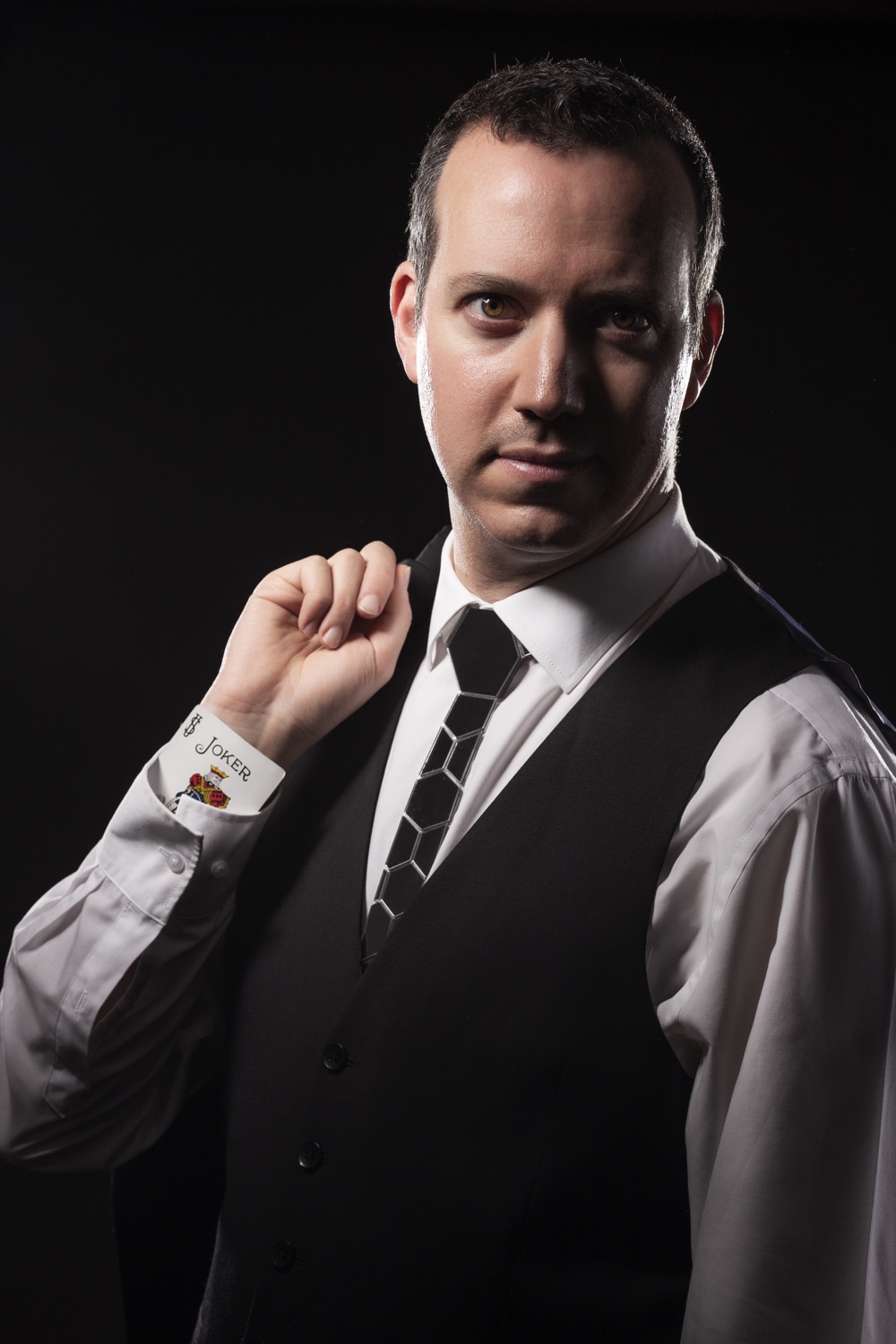
That is why Stephen Barry’s contemporary close-up magic and mentalism are designed around direct guest engagement, polished delivery and the specific purpose of the event. No clichés, no gimmicks, and no need for guests to become the centre of attention unless they choose to.
When planning a board dinner, choose entertainment that earns its place at the table: discreet enough to protect meaningful conversation, distinctive enough to create a lasting impression, and intelligent enough to reflect the standard of the people in the room.


Comments