

7 Brand Storytelling Magic Examples That Work
A branded event can look immaculate and still leave no impression once guests step outside. The best brand storytelling magic examples solve that problem by giving people a moment they do not simply watch, but experience for themselves. When the story is built into a close-up illusion or piece of mind reading, the audience becomes part of the message - and that makes it far more likely to be remembered and retold.
For event planners, brand managers and exhibition teams, the objective is not to put a logo beside a trick. It is to create a striking piece of live entertainment that earns attention, starts intelligent conversation and reflects the standard of the organisation hosting it. No clichés, no gimmicks, and no awkward sales pitch.
What makes branded magic feel credible?
The strongest branded entertainment starts with a clear event purpose. A product launch may need anticipation and curiosity. A networking evening may need guests to talk to people they have not met. A luxury hospitality event may need an atmosphere of confidence, attention to detail and surprise.
Magic has an advantage because it creates a natural pause in the room. People gather, react and compare what they have seen. Add a relevant narrative at the right point and the performance becomes a live demonstration of an idea: precision, possibility, transformation, connection or perception.
That does not mean every routine needs to carry a commercial message. In fact, forcing a slogan into every effect usually weakens both the entertainment and the brand. The better approach is selective. One or two purposeful moments, surrounded by exceptional contemporary close-up magic, often create more impact than an hour of overt promotion.
7 brand storytelling magic examples for live events
1. A product reveal that begins in the audience's hands
For a launch, the product should feel like the resolution of a story rather than a prop placed on a table. Imagine guests selecting a word associated with a new campaign, making choices that appear completely free, then discovering that their decisions have led to a sealed prediction containing the launch message.
The effect works because it turns passive anticipation into personal involvement. It is particularly effective for press previews, VIP receptions and internal launch events where senior stakeholders need to feel the ambition behind the product before a formal presentation begins.
The trade-off is timing. A reveal needs close coordination with the event schedule, brand team and production crew. It should support the central launch moment, not compete with it.
2. A networking opener designed around connection
Most networking events do not suffer from a lack of attendees. They suffer from people staying with colleagues, checking their phones or waiting for someone else to begin the conversation. A skilled magician can use a short shared experience to give strangers an immediate common reference point.
A routine built around coincidences, matching thoughts or impossible connections can reinforce the purpose of the evening without stating it too heavily. Guests who have just witnessed an astonishing moment together have something worth discussing, and introductions become easier.
This is where close-up magic is often stronger than a stage show. It moves through the room, reaches small groups naturally and creates repeated moments of energy rather than asking everyone to stop talking at once.
3. An exhibition stand story that earns a conversation
At a busy exhibition, attention is valuable and easily lost. An entertainer drawing a crowd can be useful, but only if the crowd becomes an opportunity for the team rather than a blockage around the stand.
A well-designed exhibition performance can begin with a visual, fast-paced effect, then connect it to a business challenge the company solves. For a technology brand, that might be about seeing patterns others miss. For a consultancy, it may be about turning complex information into a clear outcome. The magic creates the initial curiosity; trained stand staff take the conversation forward.
The crucial detail is flow. Performances should be brief, repeatable and positioned to invite people in while leaving the sales team space to engage. At the right exhibition, this approach can produce better-quality discussions than generic giveaways ever will.
4. A company values story without the corporate script
Employees can spot a forced values exercise immediately. Yet a conference or awards evening is an excellent setting to make culture feel real, especially after a period of change, growth or integration.
Rather than presenting a list of values on a screen, a performance can bring one to life through audience choices. Trust, collaboration and perspective are all ideas that can be expressed through participation and surprising outcomes. The result is not a lecture about culture; it is a moment in which people have experienced an aspect of it together.
This requires restraint. Values-based magic should feel intelligent and light-touch, not like a mandatory training session with card tricks. The language, level of humour and scale of the performance must suit the room, from a leadership dinner to a full company conference.
5. A heritage story made contemporary
Established brands often have remarkable history, but history can become distant if it is delivered as a timeline. At an anniversary, client dinner or heritage-led venue event, magic can turn the past into a live thread running through the evening.
A prediction could reference a defining year. A series of objects might appear to travel through different eras before arriving at the present-day brand. The point is not to recreate a period performance. It is to show that the qualities which built the organisation still matter now.
This works particularly well for premium British brands, family businesses and institutions with a strong sense of provenance. The presentation should remain contemporary, polished and precise. Nostalgia is useful; dated entertainment is not.
6. A luxury guest experience based on personal attention
At high-level private gatherings, hospitality events and premium weddings, the story is often less about a product than a feeling: every guest matters, and every detail has been considered. Personalised close-up magic is exceptionally effective here because it can adapt to the people in front of it.
A borrowed item, a thought-of name or a meaningful detail can become the centre of an impossible moment. Used with discretion, it creates the impression that the occasion has been designed around the guests rather than delivered from a standard package.
There is a clear boundary. Personalisation must never become intrusive. An experienced performer reads the room, respects privacy and knows when to entertain a group with elegance rather than place an individual under pressure.
7. A finale that gives guests a story to take away
A final branded moment can give an awards dinner, gala or client event a stronger finish than a closing announcement alone. This might be a mind-reading sequence involving key messages from the evening, or a large-scale prediction that brings together choices made by the audience.
The best finales feel earned. Details introduced earlier in the event return with purpose, creating the sense that the whole room has contributed to the outcome. It gives guests a shared reference point for the journey home and a piece of content they may naturally choose to share.
For a formal audience, this is often where a tailored stage or cabaret performance has its place. It can unite a large room, provided the production values, sightlines and schedule support it. For smaller gatherings, an intimate final reveal may be more powerful than anything theatrical.
How to commission a branded magic moment well
The briefing should begin with the event outcome, not a request to "put our logo into the magic". Explain who will be in the room, what they should feel, what conversations you want to encourage and which parts of the brand story genuinely matter. A good performer can then identify where magic will add value and where it should remain simply exceptional entertainment.
It also helps to decide early whether the magic is designed to attract, connect or conclude. Exhibition teams may prioritise attraction. A drinks reception may need connection. A leadership event may benefit from a concluding moment that makes a strategic message land with greater force.
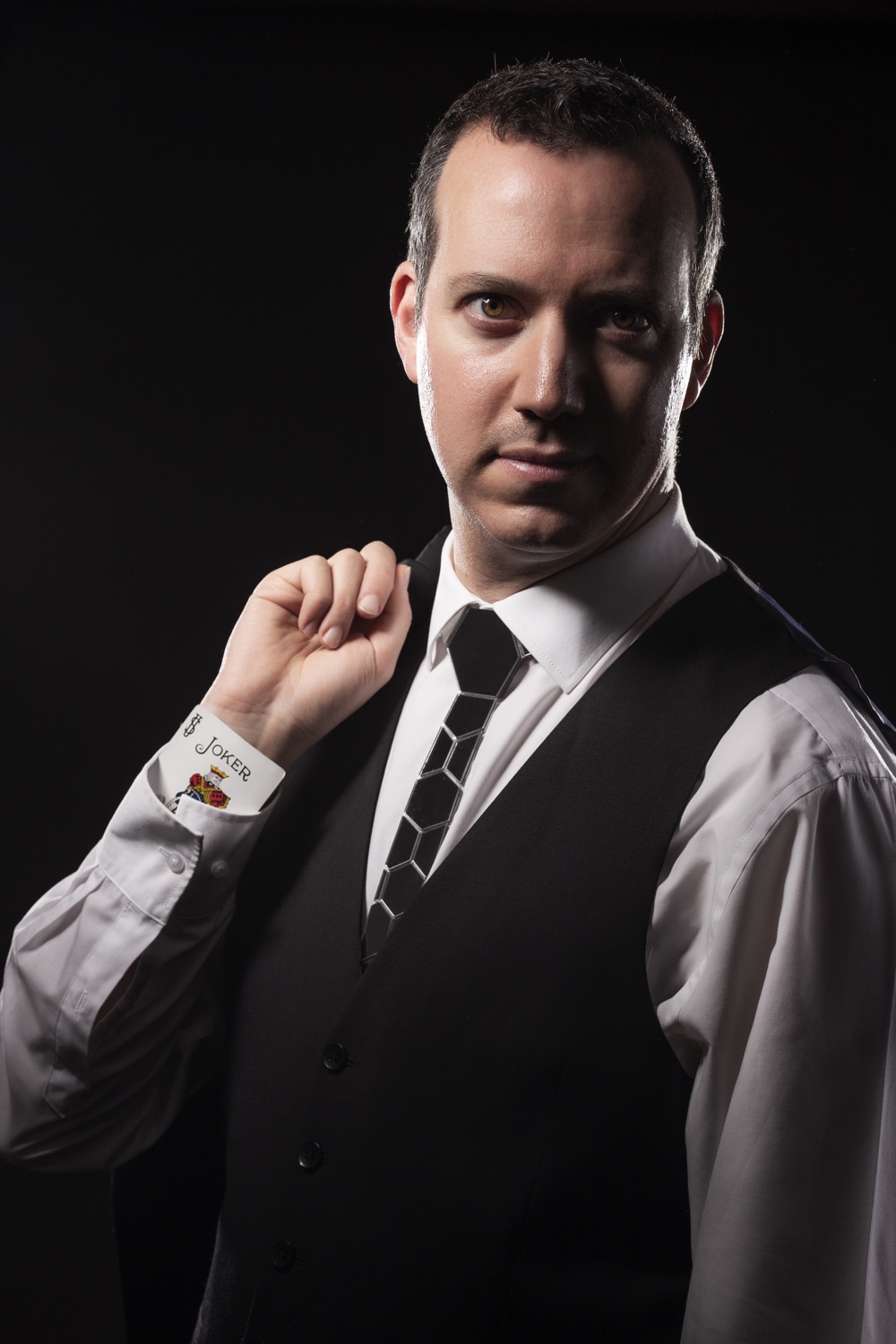
Stephen Barry creates contemporary magic and mentalism around the audience, the occasion and the standard a client wishes to set. That consultation matters because the same idea can feel world-class in one setting and misplaced in another. The venue, guest profile, event pace and brand personality should all inform the final performance.
The most effective brand storytelling does not announce that it is storytelling. It leaves guests saying, "How did that happen?" before they realise they are also talking about the idea, company or occasion behind it. That is the kind of magic worth building into an important event.


Comments