

How to Personalise Magic for Premium Events
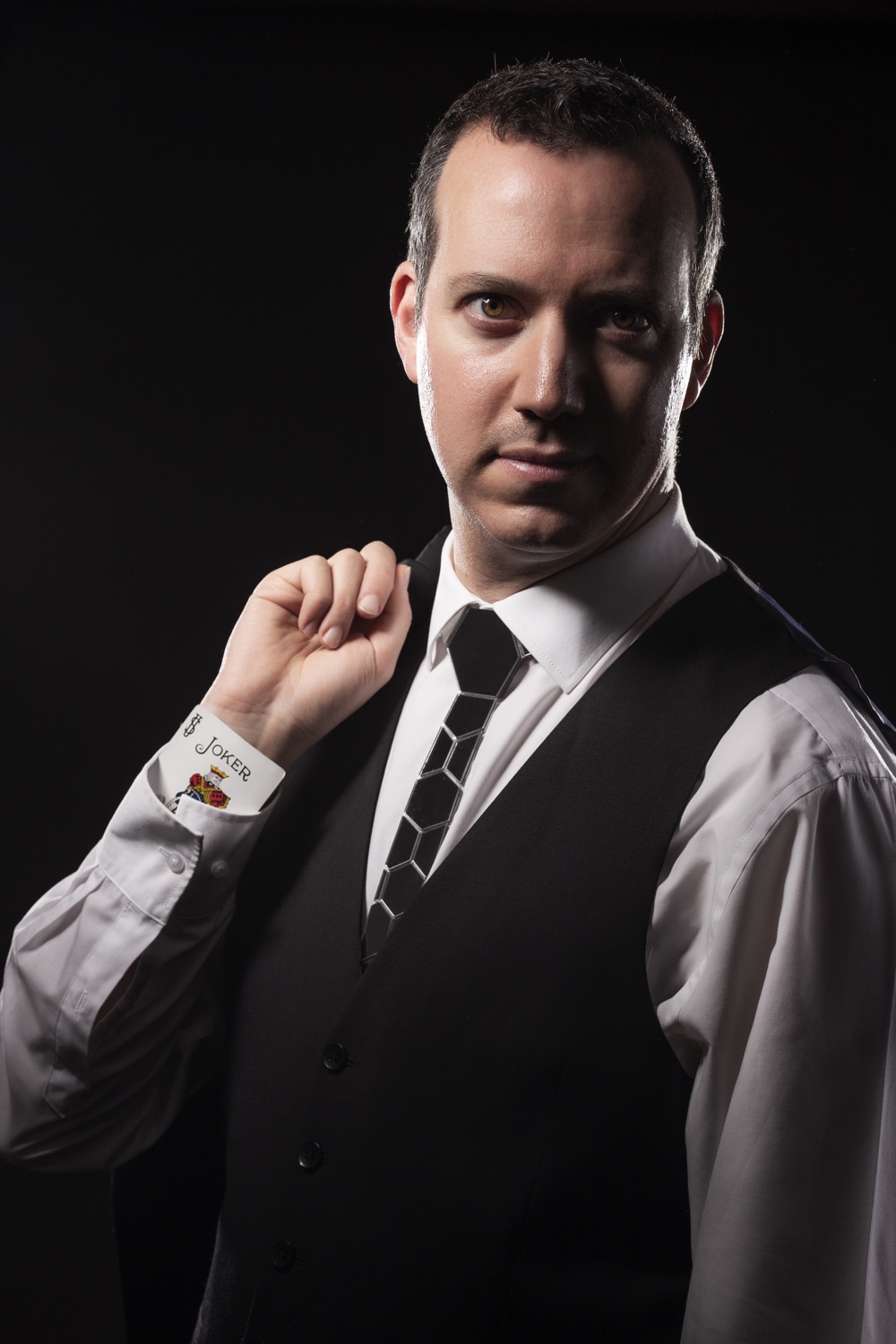
A signed card is impressive. A signed card that reveals a company message, reflects a couple’s story or creates the perfect opening for a meaningful conversation is something else entirely. Knowing how to personalise magic is not about placing a logo on a playing card. It is about making the experience feel as though it could only have happened at your event, for those particular guests.
For premium corporate occasions, weddings and private celebrations, that distinction matters. Guests have seen entertainment before. What they remember is the moment that felt considered: a piece of mind reading that connects to the host’s message, a close-up performance that gets two groups talking, or a reveal that places the brand, celebration or shared purpose at the centre of the room.
Start with the outcome, not the trick
The most effective personalisation begins before a magician considers props, routines or stage material. First, define what the event needs to achieve.
At a corporate reception, the priority may be breaking down barriers between delegates who have never met. At an exhibition, it may be stopping the right people, opening a natural sales conversation and ensuring the stand is remembered after a busy day. At a wedding, it may be creating easy, joyful interaction during photographs or between the ceremony and wedding breakfast. A luxury private party may simply need the room to feel alive without the host having to manage the atmosphere.
These objectives lead to different choices. Magic designed to energise a networking room should be quick, social and easy to join. A performance for an executive dinner needs more restraint, with intelligent moments that complement the conversation rather than take it over. For a product launch, the strongest reveal may reinforce a key campaign theme, but only where it genuinely supports the message.
Personalisation works when it serves the event’s purpose. If it only demonstrates that the organiser supplied a logo, it can feel promotional rather than premium.
How to personalise magic through a proper brief
A good brief gives a professional performer the raw material to shape the experience with judgement. It does not need to be long, but it should go beyond date, venue and guest numbers.
For corporate events, share the reason people are gathering, the audience profile, the tone of the occasion and any messages that matter. Is the event celebrating a major milestone? Bringing together clients from different sectors? Launching a product? Rewarding a high-performing team? The answers influence the pace, language and level of audience involvement.
For weddings and private celebrations, the strongest details are usually human rather than decorative. How did the couple meet? Are there guests travelling from overseas? Is the room formal and elegant, or relaxed and lively? Are there family members who should be brought into the atmosphere without being put on the spot? A few well-chosen details can create moments of genuine connection without turning the performance into a public biography.
It also helps to be clear about what should not be used. Sensitive company information, internal jokes that only three people understand, personal subjects and unannounced news should remain off limits unless the host has explicitly approved them. Sophisticated entertainment is never reckless with the room.
Give the performer useful materials
Where brand integration is appropriate, provide approved assets early. This may include visual identity guidance, product names, a campaign line, a key message or a concise event agenda. The aim is not to force every element into the performance. It gives the magician enough context to identify where a branded reveal, a tailored script or a carefully chosen object would feel natural.
For example, a campaign built around curiosity, precision or possibility can influence the framing of a piece without requiring a heavy-handed mention of the company name. That approach protects the credibility of both the entertainment and the brand.
Match the personalisation to the format
Close-up magic, mentalism and stage performance each offer different opportunities. The right format depends on where guests will be, how they will interact and how visible the message needs to be.
Close-up magic for natural guest interaction
Close-up magic is particularly effective during drinks receptions, dinners, networking events and hospitality occasions. It happens in small groups, directly in guests’ hands and within the natural flow of the event. This makes it ideal for subtle personalisation.
A performer can adapt material to the occasion, refer intelligently to a shared theme and use the right tone for the guests in front of them. More importantly, close-up magic brings people together. Colleagues who arrived in separate conversations become part of the same reaction. Wedding guests from different sides of the family have an immediate reason to speak. Clients and prospects experience something together before the business conversation resumes.
The trade-off is visibility. Close-up magic produces many memorable individual moments rather than one single all-room reveal. For events where every guest needs to receive the same message at the same time, a stage presentation may be more suitable.
Stage magic and mentalism for a shared message
A tailored stage performance is the stronger choice for awards evenings, conferences, leadership events and formal celebrations. It can create a clear focal point in the running order, raise the energy in the room and give the organiser a shared moment to build around.
This is where a brand story, event theme or significant milestone can be integrated with greater scale. The key is proportion. A short, elegant reference to the business’s ambition or values can land far better than repeated brand messaging. Guests should feel entertained first, with the message arriving as part of the surprise rather than as an interruption to it.
Mentalism can be especially powerful in this setting because it feels contemporary and conversational. Predictions, decisions and impossible connections can be framed around choice, collaboration, perception or future thinking. Those themes often suit corporate audiences, provided the performance remains sharp, warm and free from tired theatrical clichés.
Protect the guest experience
Personalisation should make guests feel included, never exposed. This is one of the most important differences between a polished professional performance and entertainment that creates discomfort.
Avoid material that relies on embarrassment, forced participation or jokes at an individual’s expense. Senior leaders, reserved guests and those attending alone should be able to enjoy the performance without worrying that they will be made the target. A skilled magician reads the room, knows when to involve someone and knows when a quieter moment is the better choice.
The same applies to humour. Company culture may be relaxed, but an event with clients, international visitors or mixed generations requires care. The best tailored magic feels confident enough not to chase a reaction. It is engaging without being intrusive.
Venue conditions matter too. Lighting, noise, table layout, guest movement and the timings of food service all affect what will work. A personal consultation should cover these practical details, because a brilliant idea delivered at the wrong moment can lose its impact. At a drinks reception, a performer may circulate freely. During a three-course dinner, short performances between courses often work better than attempting to compete with service.
Keep the message elegant
There is a temptation to personalise every element once a theme or brand has been agreed. Usually, less is more. One highly visual moment, two well-placed verbal references and an approach that reflects the event’s character will feel more exclusive than a performance overloaded with names, slogans and printed props.
Ask one simple question: would this still be enjoyable if the branding were removed? If the answer is no, the material may be carrying too much commercial weight. Great magic creates astonishment first. The relevant message then becomes more memorable because it is attached to a real emotional response.
This principle also applies to weddings. A bespoke moment should amplify the celebration, not compete with it. Guests do not need every trick to reference the couple. They need entertaining, intelligent interaction, plus one or two details that make the experience unmistakably theirs.
Build in time for collaboration
The strongest tailored entertainment is rarely booked with a generic request and left until the event day. Allow time for an initial conversation, creative recommendations and approval of any branded or bespoke components. For major launches, high-profile gatherings and large-scale stage work, earlier planning allows for more ambitious integration and proper rehearsal.
That does not mean every booking requires an elaborate production. An experienced professional can adapt quickly for a smaller event, particularly when the brief is focused. The point is to agree the priorities early: who the guests are, what success looks like and how prominent the personalisation should be.
Stephen Barry approaches this process as part of the performance, not an administrative extra. The result is contemporary magic and mind reading designed around the people in the room, with no clichés, no gimmicks and no need to force the moment.
The most valuable question is not, “How can we add our name to the magic?” It is, “What do we want our guests to feel when they leave?” Give that answer the attention it deserves, and the right personalised performance can make the event feel considered long after the final applause.


Comments