

A Guide to Brand-Safe Magic for Premium Events
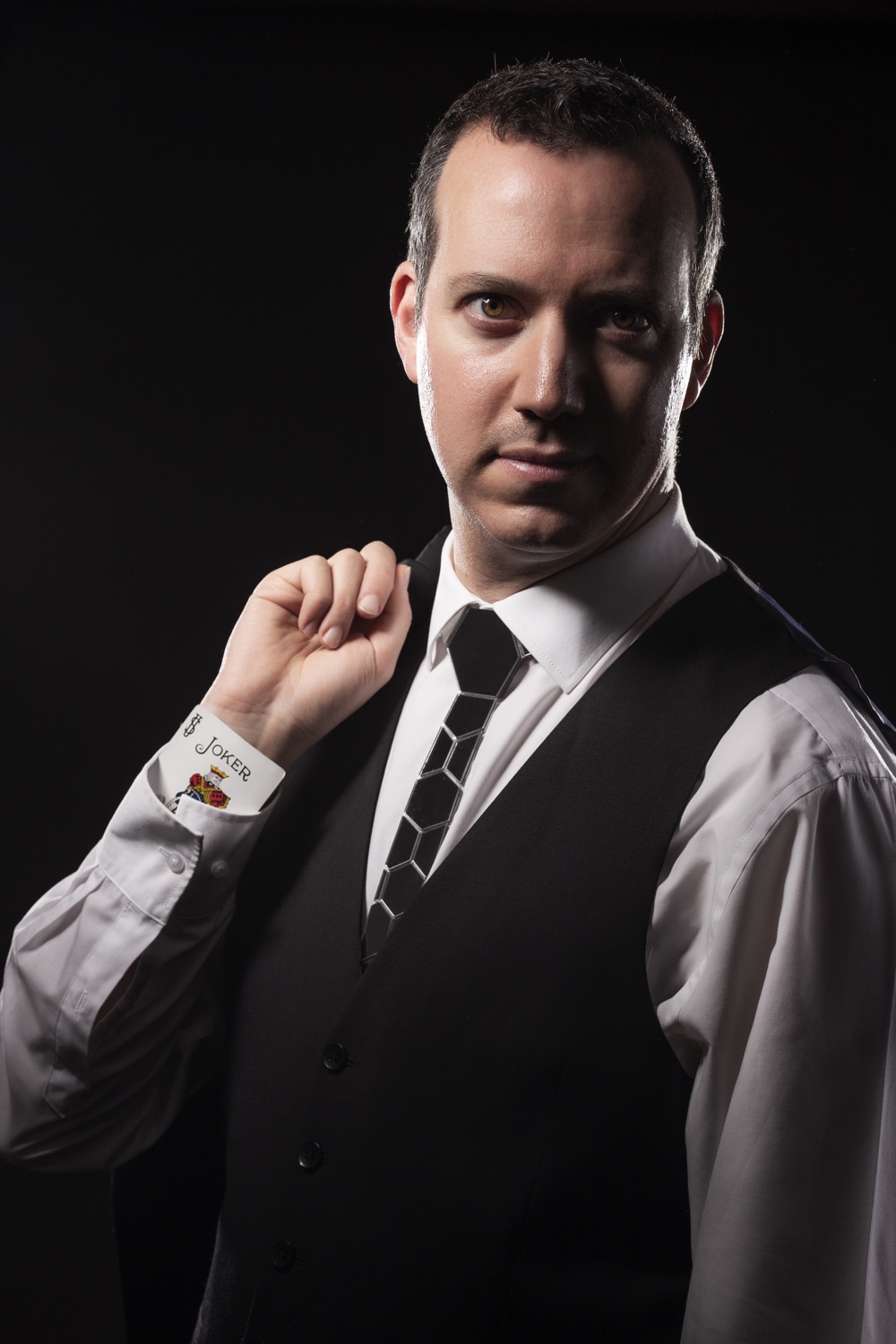
A brilliant magician can create the moment guests talk about long after the final speech or exhibition stand has closed. The wrong performer can do the opposite in seconds. This guide to brand-safe magic is for planners and hosts who need entertainment to enhance an occasion, not introduce an avoidable risk to its reputation.
For premium events, magic is not simply a diversion between courses or a way to fill a quiet corner of a room. It is a direct reflection of the standards behind the event itself. The performer is in close proximity to clients, colleagues, prospects, wedding guests and senior stakeholders. Their judgement, language, appearance and ability to read a room all matter as much as the impact of the performance.
What brand-safe magic really means
Brand-safe magic is intelligent, audience-aware entertainment delivered with discretion. It creates surprise and conversation without resorting to embarrassment, crude humour, intrusive behaviour or dated stage-magician clichés.
For a corporate brand, that means an experience aligned with the company’s values, guest mix and commercial purpose. At a wedding or private celebration, it means bringing people together across generations without making anyone feel exposed. In both cases, the best magic feels considered: polished enough for a luxury setting, warm enough to be enjoyed immediately, and flexible enough to suit the energy in the room.
Safety is not about making entertainment bland. Quite the reverse. It gives the performer the freedom to be bold in the right places because the client can trust their judgement everywhere else.
Why the performer represents more than themselves
Guests rarely separate an event supplier from the event host. If a performer interrupts an important conversation, makes a joke that lands badly, or appears unprepared, the impression attaches to the organiser and the brand. This is particularly true at leadership events, client hospitality, product launches and high-value networking occasions, where every detail signals how seriously a business takes its audience.
The same principle applies to weddings. A couple may have chosen an exceptional venue, beautiful food and a carefully planned atmosphere. Entertainment that feels loud, old-fashioned or overly familiar can break that spell. Close-up magic should add a shared sense of occasion, not compete with it.
A brand-safe magician understands the difference between being memorable and demanding attention. They know when to approach, when to step back, and when a small moment for four guests is more valuable than trying to command the entire room.
Start with the event objective
Before selecting a performer, be clear about what the entertainment needs to achieve. “Keep guests entertained” is understandable, but it is not enough direction for a tailored premium experience.
At an exhibition, magic may need to stop passing visitors, open natural conversations and give the sales team a useful reason to engage. During a drinks reception, the priority may be preventing separate groups from staying separate. At a dinner, it may be maintaining energy between courses without disrupting service or speeches. For a wedding, it is often about giving guests who have never met an effortless reason to laugh and connect.
The objective changes the format. Fast, visual close-up magic may suit a busy launch. Thoughtful mind reading can be particularly effective with smaller groups or a sophisticated after-dinner audience. A tailored stage performance can provide a focal point when everyone is gathered. There is no single best option, only the right fit for the room, schedule and people in it.
Ask for a performance plan, not just a price
A professional proposal should show that the entertainer has considered the practical shape of the event. Ask how they would work the arrival period, whether they can adapt around delayed timings, and what they need from the venue. For a corporate brief, discuss the audience profile, the level of brand inclusion desired and any sensitive subjects to avoid.
This does not need to become a lengthy production meeting. It is simply evidence that the performer sees themselves as part of the event team, rather than an act arriving to deliver a fixed routine.
Look for contemporary judgement, not novelty
Magic has changed, but some event entertainment has not. Props, costumes, forced banter and routines built around making a guest look foolish may still have a place somewhere. They rarely belong at a premium brand event.
Contemporary magic is focused on people. It is conversational, visually strong and personal without becoming invasive. The best effects happen in a guest’s hands or in their own thoughts, creating a genuine reaction rather than asking them to play along with a script. Mentalism can be especially powerful when delivered with restraint, because it feels astonishing while remaining elegant and appropriate.
Video and testimonials are useful, but look beyond a highlight reel. Notice the performer’s presentation. Are they well turned out? Do audiences appear relaxed? Is the material built around amazement and connection, or around attention-seeking jokes? Premium entertainment should feel current without chasing trends that will date by next season.
Define the boundaries clearly
A good magician will welcome clear boundaries. They protect the client, the guests and the performance itself. Share any relevant brand considerations at the outset, including language restrictions, cultural sensitivities, accessibility needs, safeguarding expectations and whether alcohol will be prominent.
For corporate events, avoid assumptions about humour based on job titles, industries or guest demographics. A room may include international visitors, new recruits, board members and valued customers. The entertainment should give every group an easy way in. For private occasions, consider family dynamics as carefully as the guest count. A performer who can read social cues will never force participation from someone who would rather observe.
Brand-safe delivery also means respecting physical space. Busy receptions can be crowded, exhibitions can be noisy, and formal dinners have a rhythm governed by service. The performer should work around those realities without turning logistics into the client’s problem.
Brand integration should feel earned
For some corporate events, light brand integration can make entertainment more commercially useful. A product message, campaign theme or company value can provide a memorable thread through a performance. Done well, it feels like a clever extension of the event rather than an advert with a card trick attached.
The trade-off is subtlety. If brand messaging overwhelms the magic, guests see the mechanism rather than feel the moment. If it is too vague, it may add little value. The strongest approach is usually one or two precise touches, developed after a proper conversation about the desired outcome.
At a trade show, for example, a tailored moment can create a natural handover to the stand team. At a client dinner, it may be better to leave the branding almost invisible and focus on hospitality. The sophistication lies in knowing which choice serves the occasion.
Credentials matter, but behaviour matters more
High-profile clients, strong reviews and professional footage are reassuring. They show that a magician has operated successfully in demanding settings. Yet the most useful question is often simpler: would you be comfortable introducing this person to your most important guest?
Look for responsive communication, clear timings, sensible questions and confidence without ego. A premium performer should be easy to work with before the event as well as impressive during it. They should arrive prepared, dress appropriately for the setting and take responsibility for their own performance area.
Stephen Barry’s approach is built around this standard: intelligent magic and mind reading designed for direct guest engagement, with no clichés and no gimmicks. That distinction matters when the entertainment is expected to stand alongside a respected brand, venue or host.
Plan for the moments between the moments
The most effective close-up magic is often placed where an event has natural pauses. During a drinks reception, it gives early arrivals something to enjoy before the room fills. Between ceremony and wedding breakfast, it keeps guests engaged while photographs are taken. At networking events, it turns polite introductions into real conversations.
Avoid treating entertainment as a last-minute patch for a schedule gap. A short briefing on the running order, key people, speeches, catering and areas that must remain clear allows the magician to move naturally through the event. This is where experience shows. The guests should feel that every interaction happened at exactly the right time, even though it has been carefully planned.
Choose confidence over compromise
Entertainment is often one of the most visible decisions an organiser makes. It reaches people directly, creates photographs and stories, and can shape the mood of an entire room. Choosing solely on availability or price may save money on paper, but it can create a mismatch that is difficult to disguise once guests arrive.
Brand-safe magic is a considered investment in atmosphere, engagement and reputation. It should feel effortless to guests because the work has been done beforehand: the right performer, the right format, the right tone and a clear understanding of what the event needs to achieve.
When guests leave feeling that they were part of something distinctive, rather than simply entertained at it, the event has done more than fill time. It has given them a reason to remember who brought everyone together.


Comments