.png)

12 Drinks Reception Entertainment Ideas That Work
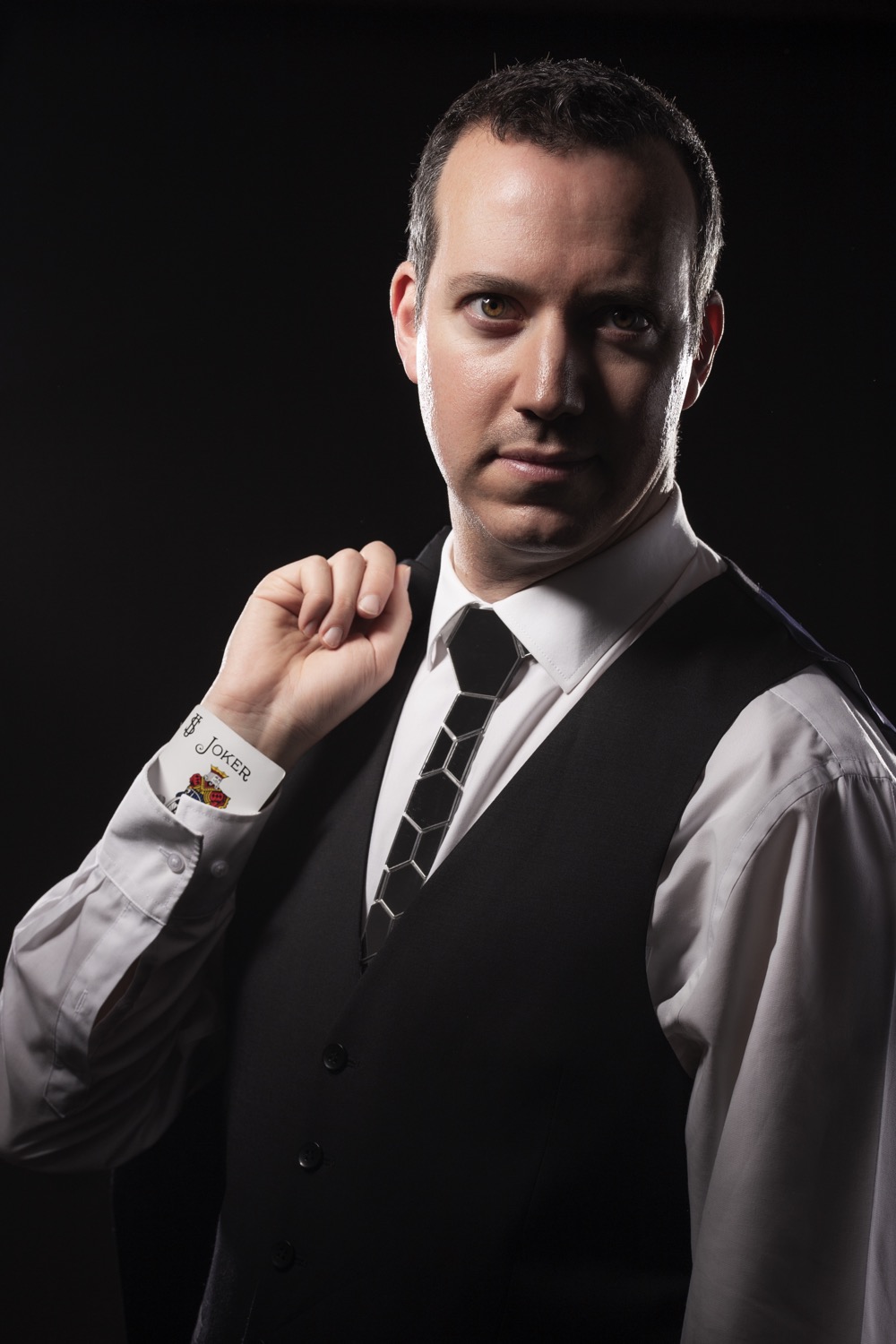
The first 90 minutes of an event can define the room. Guests are arriving at different times, searching for familiar faces and making polite conversation while a photographer, venue team or event host manages the next transition. The best drinks reception entertainment ideas do more than fill that gap. They give people an immediate reason to interact, create a confident atmosphere and make the occasion feel considered from the first glass poured.
For a wedding, corporate reception or high-level private gathering, the right choice depends on the guest mix, venue, event objective and desired level of energy. Entertainment should complement the occasion, not compete with it. No clichés, no gimmicks - just intelligent experiences that bring people together naturally.
Start with the experience you want guests to have
Before choosing entertainment, decide what success looks like during the reception. A wedding couple may want two families to mingle before dinner. A corporate host may need clients, colleagues and prospects to start conversations that would otherwise feel forced. An exhibition team may want to stop passers-by without creating a queue that blocks the stand.
This distinction matters. A brilliant performer or act in the wrong format can still feel misplaced. Loud production may suit a launch party but overwhelm a drinks reception where guests need to talk. Equally, something too passive can disappear into the background at a large, busy venue.
Think about circulation as carefully as spectacle. Roaming entertainment generally works best when guests are spread across several spaces, while a focal performance can bring a room together when everyone has arrived. The following ideas can be adapted to suit either approach.
12 drinks reception entertainment ideas for better guest engagement
1. Contemporary close-up magic
Close-up magic is built for a reception because it happens in guests' hands, at their tables and within small groups. It gives strangers a shared reaction within seconds, then leaves them with something to discuss once the performer has moved on.
The premium version is subtle, smart and sociable rather than theatrical. It should never interrupt a meaningful conversation or demand that guests form an awkward circle. For mixed-age wedding crowds and corporate groups alike, this is one of the most reliable ways to lift the atmosphere without changing the rhythm of the room.
2. Mind reading and psychological entertainment
Mentalism creates a different kind of reaction: quieter anticipation followed by genuine disbelief. It is particularly effective for luxury dinners, leadership events, awards receptions and private parties where guests appreciate something more sophisticated than a conventional party act.
A skilled mentalist can work close-up while keeping the material elegant and inclusive. This format also offers strong scope for tailoring, whether that means referencing the occasion, reflecting a company message or making a guest of honour part of a memorable moment.
3. A roaming acoustic musician
An acoustic guitarist, violinist or vocalist can add warmth without turning the drinks reception into a concert. The key is volume and repertoire. Familiar music played with restraint helps a room feel alive while preserving the opportunity for conversation.
This works especially well at countryside weddings, gallery receptions and venues with beautiful outdoor spaces. It is less suitable where speeches, networking or detailed conversations are already competing for attention, unless the performer can move between short, carefully timed sets.
4. A live illustrator or fashion sketch artist
Live illustration gives guests a personal keepsake while adding a visual point of interest to the reception. A fashion sketch artist can create quick, stylish portraits, while an event illustrator may capture key moments, outfits or conversations as they happen.
It suits brand events and elegant private occasions where guests value detail and presentation. Consider capacity before booking: one artist can only draw a limited number of people, so this works best as an enhancement rather than the sole entertainment for a large guest list.
5. A signature cocktail theatre moment
A talented mixologist can turn the bar into an experience, introducing bespoke serves, theatrical garnishes or a short hosted demonstration. For a brand launch, the drinks themselves can reinforce colour, flavour and campaign themes without feeling like a sales pitch.
There is a practical trade-off. Bar theatre needs enough space to avoid slowing service, and it should be planned with the venue. It is often strongest when combined with another roaming element, so guests who are not at the bar are still engaged.
6. Interactive food stations
A beautifully run food station invites movement and gives guests an easy opening line. Think hand-finished canapés, a refined dessert counter, oyster shucking or a chef-led tasting moment. The format is naturally social because people gather, watch and compare favourites.
For weddings, it can reflect the couple's story or heritage. For corporate events, it can support an elevated hospitality brief. Keep queues short and positioning clear, particularly if the drinks reception is also a networking window.
7. A discreet live painter
Unlike quick guest sketches, a live painter creates one larger artwork across the event. Watching a scene develop can be unexpectedly compelling, especially at a wedding where the finished piece becomes part of the couple's home.
It is calm rather than high-energy, so it works well alongside music or close-up entertainment. Give the artist a position with a worthwhile view but enough room to work without becoming an obstacle in a busy drinks area.
8. A premium photo experience
A photo booth can feel dated if it relies on novelty props and harsh branding. A premium photo experience is different: considered lighting, a polished backdrop, editorial-style portraits or a roaming photographer who creates beautifully composed images for guests.
For a corporate event, the visual identity should be subtle and in keeping with the brand. For a wedding, choose a backdrop that belongs in the venue rather than one that looks hired in. Guests will use it more readily when it feels like part of the occasion.
9. A champagne or drinks activation
For a shorter reception, a champagne tower, welcome-pour ritual or beautifully staged drinks service can provide a sense of arrival. It is not entertainment in the traditional sense, but it creates a shared visual moment and signals that the host has thought beyond the basics.
This is most effective as a beginning or transition point. It cannot carry a long reception alone, but paired with intelligent close-up entertainment it creates both impact and interaction.
10. A themed tasting experience
Wine, whisky, chocolate, cheese or non-alcoholic cocktail tastings offer a polished way to structure conversations between guests. A knowledgeable host can guide people through a brief experience without making it feel formal or instructional.
This works particularly well for client hospitality and smaller private events. It needs a clear theme and confident delivery. A tasting with no story can quickly become just another queue at the bar.
11. A short, high-impact group performance
A five-to-ten-minute performance can reset the energy of a room before dinner, speeches or a key announcement. This might be a tailored mind-reading set, a musical moment or a carefully choreographed reveal connected to a product launch.
Keep it short. At a drinks reception, guests are not always ready to sit or stand silently for an extended show. The aim is to create a collective peak, then return guests to conversation with more energy than before.
12. Personalised entertainment with purpose
The strongest experiences often have a detail that belongs specifically to the event. It could be a piece of magic built around a company value, a guest-of-honour story woven into a mentalism routine, or visuals that reflect a wedding's design and setting.
Personalisation should feel effortless, not over-explained. Guests notice when entertainment has been chosen for this event rather than lifted from a generic supplier list. That is where it becomes part of the occasion's identity.
How to choose the right entertainment format
Guest numbers and timing should guide the decision. For 40 to 80 guests, one exceptional roaming performer can often reach almost everyone during a 90-minute reception. For larger gatherings, consider additional performers, zones or a combination of roaming and focal entertainment so no section of the room feels overlooked.
Venue layout matters too. A historic dining room, rooftop terrace and exhibition hall all ask for different solutions. Check access, sound limits, ceiling height, weather contingencies and where guests will naturally congregate. Premium entertainment looks effortless because the planning has been precise.
For corporate events, ask what the entertainment needs to achieve commercially. Is it breaking the ice before a presentation, increasing dwell time at an exhibition stand, rewarding guests or reinforcing a premium brand position? Stephen Barry designs contemporary magic and mind reading around precisely these outcomes, creating moments that start conversations without taking over the event.
For weddings and private celebrations, the question is more emotional. Choose an act that helps different friendship groups and generations feel part of the same occasion. The most memorable entertainment does not simply impress individual guests. It creates the shared stories they will still be recounting at dinner.
A drinks reception should never feel like waiting time. Give guests something intelligent to enjoy, room to connect and a moment they could not have had anywhere else.


Comments