

Mind Reading Versus Hypnosis: What Guests See
A guest names a childhood friend they could not possibly have mentioned. Another watches a sealed prediction match a decision made moments earlier. The room reacts at once - not because anyone has been put under, but because the impossible has happened in full view. That distinction is at the heart of mind reading versus hypnosis, and it matters when choosing entertainment for a high-calibre event.
Both can be compelling in the right setting. Yet they create very different atmospheres, make different demands of guests and serve different event objectives. For weddings, corporate occasions, exhibitions and private celebrations, understanding the difference helps organisers select entertainment that feels considered, contemporary and completely right for the room.
Mind Reading Versus Hypnosis: The Essential Difference
Mind reading, often presented as mentalism, is interactive performance built around thoughts, choices, intuition and apparent impossibility. A mentalist may reveal a word merely thought of, predict a guest’s decision, identify a meaningful memory or create an extraordinary connection between strangers. The experience is framed as an intelligent mystery: the audience is invited to wonder how it happened, while enjoying the theatre of being part of it.
Hypnosis, by contrast, centres on suggestion, focus and altered states of attention. In a stage hypnosis show, selected volunteers may be guided into responding in surprising or humorous ways. The entertainment comes from observing behaviour change under the performer’s direction, usually with a strong emphasis on the volunteers themselves.
Neither format is inherently better. The right choice depends on the audience, the purpose of the gathering and the level of participation your guests will welcome. But they are not interchangeable. Booking a mind reader when you expect a high-energy hypnosis show, or vice versa, can lead to an event experience that misses the brief.
Why Mind Reading Often Fits Premium Events
At a polished event, the best entertainment brings people together without taking over the occasion. Mind reading is particularly effective because it can work close-up during a drinks reception, around dining tables or as a focused after-dinner performance. Guests need not opt into a formal process or become the subject of a prolonged routine. They can simply enjoy an astonishing moment alongside friends, colleagues or clients.
That flexibility has a commercial value at corporate events. A mind reader can create immediate conversation between people who have only just met, give delegates a reason to pause at a stand, or provide a memorable talking point during a networking reception. The performance can be tailored to the pace of the room rather than requiring every guest to be seated and ready at the same time.
For weddings, mentalism offers a similarly elegant fit. It bridges the quieter moments between ceremony and wedding breakfast, or brings tables together after dinner without relying on material that could make anyone feel exposed. Mixed-age groups can enjoy the same sense of amazement, even when their tastes in entertainment differ.
The strongest mind reading performances also feel personal without becoming intrusive. A guest’s choices, names, drawings or memories may shape the moment, but the tone remains respectful. The result is a sense that the entertainment happened with the audience, not at their expense.
Sophistication without the clichés
The phrase “mind reading” can suggest something theatrical or mysterious, and that is part of its appeal. In a contemporary setting, however, the presentation should be sharp rather than theatrical for its own sake. No turbans, no tired patter, no forced claims of supernatural powers. The focus is on intelligent audience engagement and an effect so clean that guests want to compare theories long after it ends.
This is especially valuable where brand perception matters. A luxury venue, executive dinner or client-facing launch needs entertainment that complements its standards. The performer should be able to read the room as well as apparently read minds: knowing when to create a headline moment, when to move quietly between groups and when a guest would rather watch than participate.
What Hypnosis Brings to an Event
A well-run hypnosis show can be lively, funny and genuinely memorable. It is generally best suited to audiences that actively want an energetic, shared stage experience and are comfortable with volunteer-led entertainment. University events, certain team socials and audiences familiar with the format can be an excellent match.
However, hypnosis is more dependent on the room. It normally needs a clear performance space, enough time to build momentum and a substantial audience willing to watch others take part. It also relies on finding suitable volunteers. Not everyone is comfortable being the focus of attention, particularly at a formal work function, a wedding involving several family generations or an event where clients are present.
Professional hypnosis should always be handled responsibly, with consent and participant welfare treated seriously. The idea that a hypnotist can compel people to act against their values is a popular misconception, but it does not remove the practical consideration for organisers: some guests may worry about what participation involves. Even if that concern is unfounded, it can affect how relaxed they feel.
That does not make hypnosis unsuitable. It simply makes it a more specific choice. If the brief calls for bold, volunteer-centred comedy and the audience is receptive, it can be highly effective. If the brief calls for inclusive, sophisticated interaction across a broad guest list, mind reading will often be the stronger option.
The Guest Experience Is the Deciding Factor
When comparing mind reading versus hypnosis, ask a straightforward question: how do you want guests to feel during the event?
Mind reading tends to create curiosity, disbelief and connection. Guests are often participants, but in short, comfortable bursts. One person thinks of a word; another makes a free choice; a small group discovers an impossible result together. The reaction belongs to everyone nearby, which makes it ideal for mingling and table entertainment.
Hypnosis tends to create anticipation, laughter and spectacle. Its most visible moments belong to selected volunteers, while the rest of the room enjoys watching. This can generate huge energy, but it creates a clearer divide between performer, volunteers and audience.
For an exhibition, that distinction is particularly useful. A mind reader can stop footfall with compact demonstrations, engage a visitor without holding them for too long and give them an experience worth recounting to colleagues. A hypnosis show may draw a crowd too, but it is less naturally suited to the stop-start rhythm of a busy stand.
For a corporate awards evening, it depends on the running order. A stage mentalism performance can build towards a powerful collective finale while retaining a premium feel. Hypnosis may be better reserved for a less formal company celebration where the entertainment itself is intended to be the main event.
Choosing the Right Format for Your Occasion
Start with the event outcome, not the label. If you need guests to mingle more easily, create conversation across departments, entertain around dinner tables or reinforce a refined brand environment, close-up mind reading is a natural choice. If you want a single show that gives the whole room a dramatic shared experience, a stage mentalism set can deliver that impact without asking guests to surrender control or volunteer for extended participation.
Hypnosis deserves consideration when the audience is known to enjoy it, the event has a relaxed tone and there is enough space and time for a dedicated show. Clear communication beforehand is essential so guests understand the style of entertainment and can decide whether they wish to volunteer.
The venue also matters. A close-up mentalist can work beautifully in a reception space, private dining room or drinks area, adapting to the movement and noise of the event. A hypnosis show needs more formal production conditions: sightlines, sound, seating and an audience that can remain in place.
Finally, consider the people in the room. Senior leaders, clients, international delegates, wedding guests and VIPs do not all want the same kind of attention. An experienced performer will make participation feel like an invitation rather than a test, and will tailor the material to suit the occasion.
Entertainment That Elevates the Room
The most successful event entertainment is never an interruption. It gives a reception momentum, makes a dinner feel more alive and leaves guests with stories that are impossible to repeat in an email the next day. That is why contemporary mind reading is so often chosen for premium occasions: it is personal, astonishing and socially effortless.
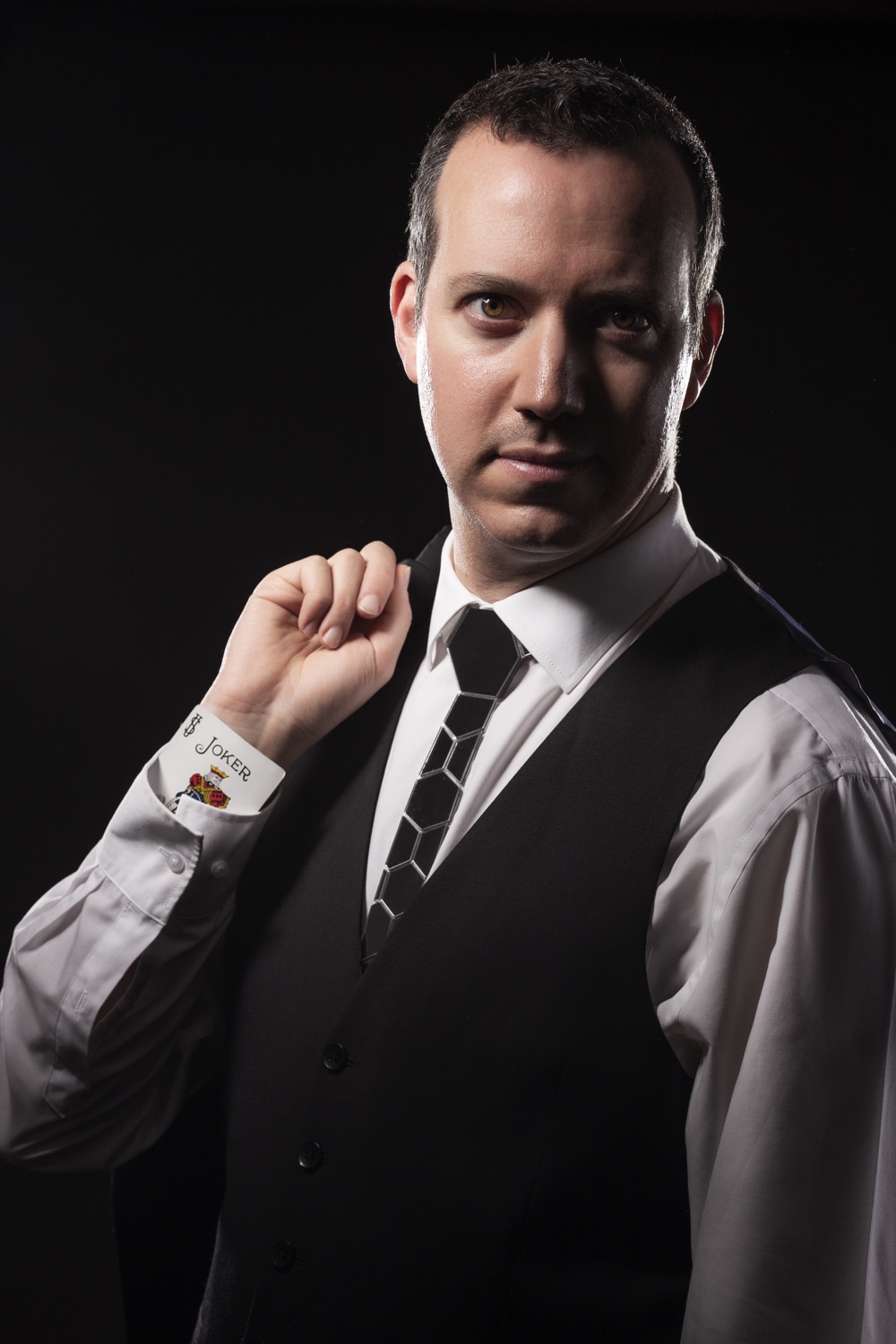
Stephen Barry’s approach is built around that balance - intelligent mentalism and world-class magic designed for the audience, the venue and the purpose behind the event. No clichés, no gimmicks, just moments that make people look at one another and ask, quite sincerely, “How did that happen?”
Choose the format that respects your guests as much as it entertains them. When the experience feels right for the room, the reaction is not merely applause - it becomes part of what people remember about the occasion.


Comments