

Corporate Entertainment That Guests Talk About
The best corporate entertainment is rarely the loudest part of an event. It is the moment a group of colleagues who have never met begin talking, a prospective client stays longer than planned, or a room of senior guests shares genuine surprise. For organisers, that is the real measure of value: entertainment that improves the atmosphere while representing the business at the right level.
A premium event has too much riding on it for a generic act or an awkward interruption. Whether the occasion is a client dinner, awards evening, exhibition, leadership conference or Christmas party, the entertainment should feel considered, current and completely at home in the room.
What Corporate Entertainment Should Achieve
Corporate events tend to have a purpose beyond simply filling a diary. A launch needs attention. A networking evening needs people to connect. An exhibition needs visitors to stop and remember the stand. An internal celebration needs employees to feel valued rather than processed through another standard event format.
Entertainment can support those objectives when it is designed around people, timing and context. Close-up magic and mentalism work particularly well because they happen in the spaces where conversation naturally takes place: during a drinks reception, between courses, around a branded stand or while guests arrive. There is no requirement for everyone to stop what they are doing and watch from a distance.
The result is shared experience rather than passive distraction. Guests have something immediate to react to, discuss and recount later. That matters when your event is bringing together different departments, clients, suppliers or delegates who may not know one another.
There is, however, a distinction between entertainment that gets attention and entertainment that earns trust. A corporate audience will quickly recognise anything that feels dated, overfamiliar or unsuitable for the setting. The standard should be polished, intelligent and tailored - no clichés, no gimmicks.
Choosing the Right Format for the Event
There is no single answer to what works best. The right format depends on the guest journey, venue layout, audience size and commercial purpose of the occasion.
Close-up magic for natural guest interaction
Close-up magic is often the most flexible choice for receptions, dinners, networking events and hospitality occasions. Performed in small groups, it gives every guest a direct experience without placing anyone uncomfortably in the spotlight. It can move through a room naturally, bringing energy to quieter pockets of conversation and giving hosts confidence that guests are engaged from the moment they arrive.
This format is especially useful when attendance is staggered or when there is no clear point at which the whole room will be gathered together. At a drinks reception, for example, guests can enjoy something remarkable while photographs are taken, tables are prepared or late arrivals make their way in.
Mentalism for a more sophisticated edge
Mentalism has a different feel. It is often more conversational, more personal and can create a level of astonishment that stays with an audience long after the event. In a corporate setting, this can be ideal for senior-level dinners, private hospitality, premium client events and brand occasions where a contemporary, intelligent tone is essential.
The best mentalism does not rely on making guests feel exposed. It creates intrigue and invites participation at a pace that suits the room. That is particularly valuable for mixed groups, where confidence levels and familiarity vary.
A stage performance when the room needs a focal point
For a gala dinner, conference, awards evening or company-wide celebration, a tailored stage performance can bring the room together at a defined moment. This is not simply a matter of putting an entertainer on a stage. The material, tone and running order need to respect the event schedule and the audience’s attention.
A concise, high-impact performance is often more effective than a lengthy show. It can reset energy after dinner, provide a memorable transition before awards or finish the evening with a collective moment of surprise. The trade-off is that stage work requires good sightlines, appropriate sound and a timetable that allows guests to focus. When those conditions are not available, close-up performance may deliver greater impact.
Exhibition entertainment that starts conversations
An exhibition stand has seconds to earn attention. Corporate entertainment can provide a compelling reason for attendees to pause, but it must do more than draw a crowd. It should help the team begin useful conversations, communicate the brand with confidence and avoid blocking the stand with people who have no genuine interest.
A skilled performer can work branded messages into the experience with restraint and intelligence. The brand should feel enhanced, not forced into a trick. When handled well, the entertainment creates an opening for the sales team rather than competing with them.
Why Tailoring Matters More Than Tricks
The difference between a pleasant performance and an event-defining one is often preparation. Before the event, a professional entertainer should understand the audience, venue, timings, dress code and intended atmosphere. For a brand activation, that may include key messages and the desired customer response. For a company celebration, it may mean recognising the balance between leadership, employees and invited guests.
Tailoring does not mean repeatedly mentioning a company name. It means choosing the right style of interaction, knowing when to approach a group and shaping the performance around the occasion. At a formal dinner, the approach may be discreet and elegant. At an exhibition, it may be more immediate and energetic. At a luxury private event, understatement is often part of the appeal.
This is also why experience matters. A performer who understands corporate environments knows that senior guests may be mid-conversation, that a presenter may be running late, or that the room can change character after the first drink. Adaptability protects the event experience and avoids adding pressure to the organiser.
Questions Worth Asking Before You Book
A strong booking conversation should focus on outcomes, not only availability. Start by considering when guests need the most engagement. Is the challenge filling an arrival period, breaking the ice over dinner, attracting visitors to a stand or creating a shared highlight for the room?
It is also worth asking how the performer will fit into the event operationally. Will they work around service? Can they adapt to changing numbers? What is required from the venue in terms of space, access and sound? A premium entertainment experience should be easy to manage, but it is not accidental. Clear planning allows it to feel effortless on the night.
Finally, look for proof that the entertainer can represent your organisation well. Showreels, event imagery, credible reviews and experience with discerning clients all help, but the consultation is equally revealing. You should come away confident that they understand the standard you are trying to achieve.
Entertainment Is Part of the Guest Experience
Event planners are often asked to make a varied audience feel looked after at once. One guest wants to meet new people, another wants to entertain a client, while someone else has arrived knowing nobody in the room. Well-chosen entertainment gives all of them a comfortable way into the occasion.
It also gives the host room to host. Rather than worrying about early lulls or isolated guests, they can focus on conversations that matter. That is one reason live, interactive performance remains so effective even in highly produced events: it is personal, responsive and impossible to replicate through a screen.
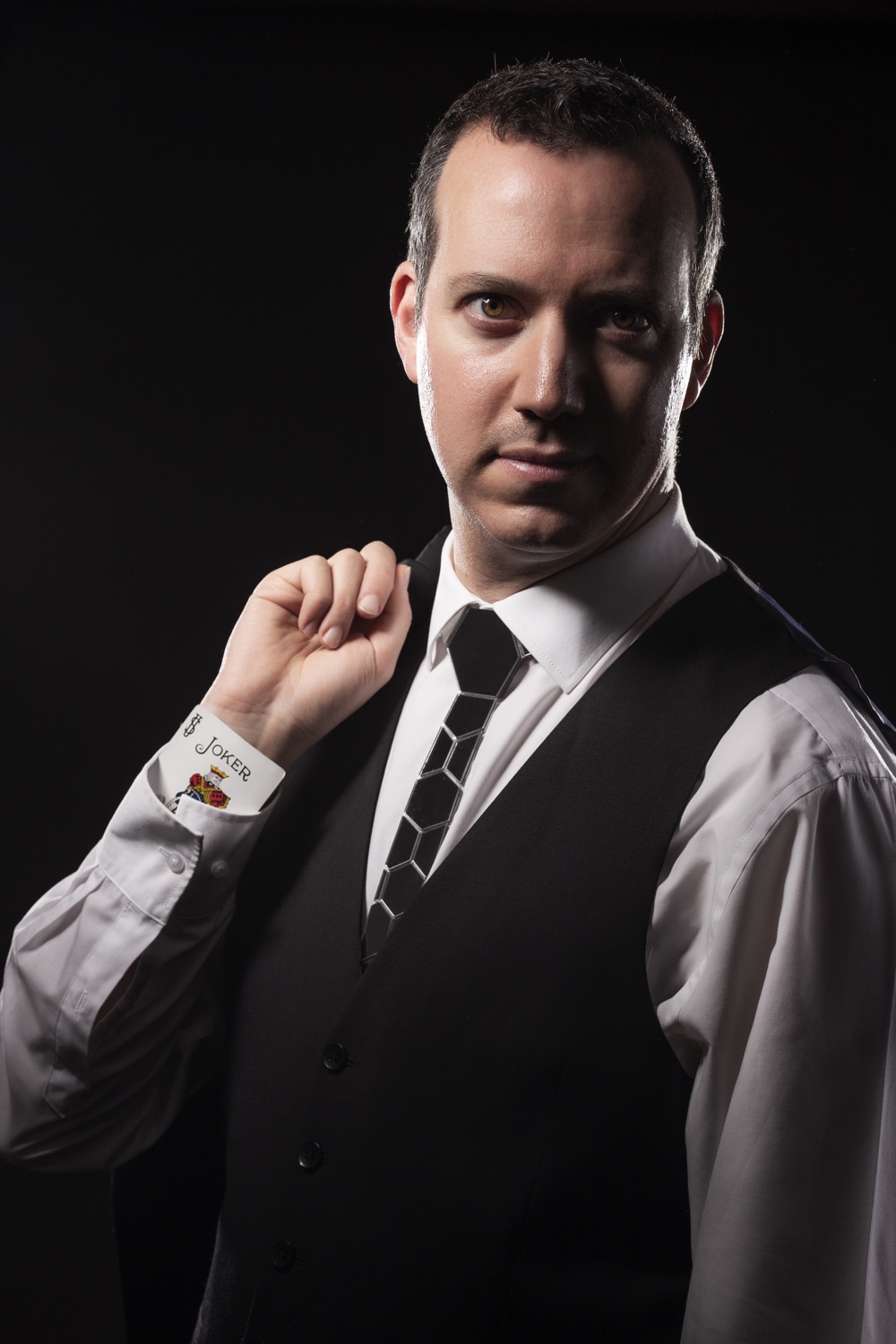
Stephen Barry creates contemporary magic and mentalism for corporate occasions where guest interaction, brand perception and a polished delivery matter equally. The focus is never on forcing a moment. It is on creating one that guests genuinely want to share.
When planning your next event, consider not just what will entertain the room, but what will bring the room together. The right performance can turn a well-organised occasion into the one guests continue talking about on the journey home.


Comments