.png)

Close Up Magician Hire for Exceptional Events
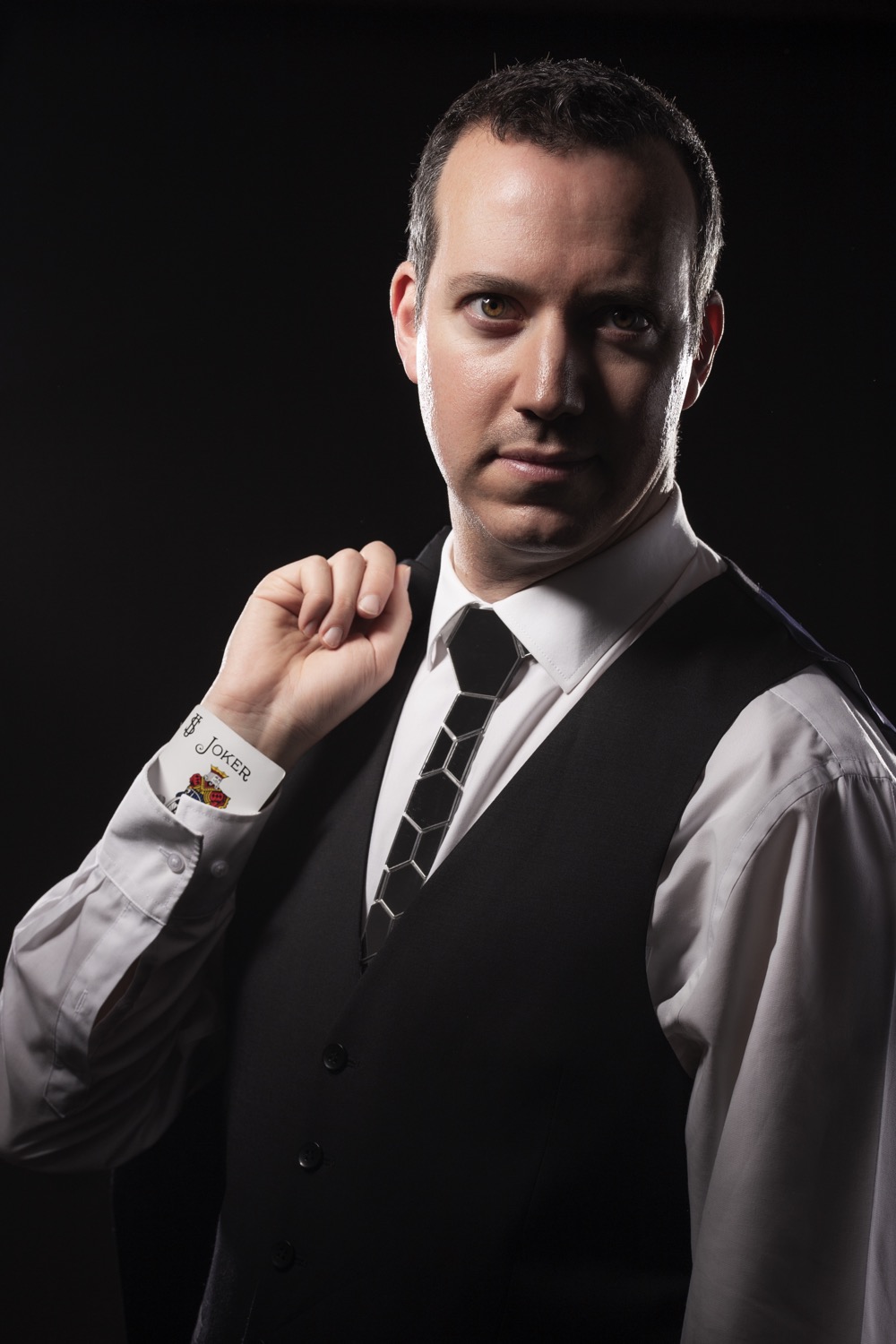
A drinks reception with 180 guests can look immaculate and still feel oddly flat. People arrive in separate groups, conversations stay polite, and the room takes time to find its energy. The right close up magician hire changes that dynamic quickly, creating moments that draw guests together without asking them to stop what they are doing.
This is not about filling a gap in the schedule with a novelty act. At a well-planned wedding, corporate function, exhibition or private celebration, intelligent close-up magic is a social catalyst. It gives people an immediate shared experience, creates natural conversation and adds a sense that the event has been considered at every level.
What a close up magician hire should achieve
Close-up magic works at arm's length, usually while guests are standing, mingling or seated between courses. It is personal enough to feel exclusive, yet flexible enough to reach a substantial number of people across an event. The best performances combine astonishing magic with contemporary mind reading, delivered with confidence, discretion and an instinct for the room.
For a wedding, that may mean bringing together relatives and friendship groups who have not met before. For a corporate dinner, it may mean ensuring colleagues, clients and senior guests are entertained without the usual awkwardness of formal networking. At an exhibition, it can create a reason for people to pause at a stand, start a conversation and remember the brand behind the experience.
The outcome matters more than the trick. Guests should leave a performance smiling, talking and wanting to tell someone else what they have just seen. That reaction is where close-up magic earns its place at a premium event.
Match the performance to the moment
A close up magician hire is most effective when it is planned around the natural rhythm of the occasion. There is no single format that suits every event, and forcing entertainment into the wrong moment can make even excellent performance feel intrusive.
Drinks receptions and arrival periods
This is often the strongest setting for close-up magic. Guests are waiting for photographs, the wedding breakfast, speeches or the main programme to begin. Rather than allowing the room to fragment into familiar circles, a magician can move naturally between groups and give the occasion an immediate lift.
For corporate receptions, this approach also gives hosts confidence that early arrivals are looked after. The entertainment provides a polished focal point while guests settle in, collect a drink and meet new people.
Dining and table-to-table entertainment
Between courses, close-up magic can maintain momentum without competing with conversation or service. The pacing is crucial. A professional performer reads the room, works around the catering team and knows when a table wants interaction and when it is enjoying private conversation.
This format is particularly effective at gala dinners, awards evenings and weddings with a mixed guest list. Each group receives a direct experience, rather than watching entertainment from a distance. However, if speeches are tightly scheduled or dinner service is unusually fast, reception entertainment may be the better choice.
Networking events and exhibitions
At business events, magic should do more than attract attention. It should support the objective of the event: encouraging introductions, increasing dwell time or making a brand experience more memorable.
A contemporary magician can use a performance as an intelligent icebreaker, particularly where guests may not know each other. For exhibitions, tailored effects can complement a campaign message or product story without turning the stand into a hard sell. The principle is simple: the entertainment must feel consistent with the standard and personality of the brand.
The difference between premium entertainment and a generic act
Not every close-up magician presents the same experience. Magic is a broad category, and clients planning a high-value event should look beyond a showreel or a list of tricks.
The first consideration is style. A sophisticated event calls for a performer who is polished, modern and socially aware. Guests should never feel cornered, embarrassed or made to participate against their will. The performance needs warmth and personality, but it should not rely on dated patter, oversized props or forced comedy.
Second, consider audience intelligence. Strong close-up magic does not talk down to people. It creates genuine impossibility in a way that feels smart, visual and direct. Mentalism can be particularly powerful in this setting because it produces reactions that continue long after the performer has moved on.
Finally, assess professionalism beyond the performance itself. Timely communication, appropriate dress, venue awareness and the ability to work alongside planners, catering teams and AV suppliers are all part of the service. For a luxury wedding or senior-level corporate event, these details are not extras. They are the difference between entertainment that merely happens at an event and entertainment that improves it.
Questions to ask before you book
Before confirming a close up magician hire, be clear about the event's purpose, guest profile and practical schedule. A good performer will ask these questions too, because they shape the best recommendation.
Start with numbers. A gathering of 40 guests and a reception of 300 require different coverage, timings and possibly more than one performance format. It is better to discuss the guest count honestly than assume every attendee will receive the same amount of time in a short booking window.
Then consider the audience. A city networking reception, a countryside wedding and an intimate private dinner each carry a different atmosphere. The right magician adjusts their approach without losing the quality of the performance. They understand when to be quietly elegant, when to create high-energy group reactions and when to let the moment breathe.
Ask how the entertainment will fit around key moments. Share the timings for arrival, photographs, dinner, speeches, awards and any evening transition. This allows the performance to sit in the spaces where it has greatest value, rather than competing with something guests need to hear or see.
It is also sensible to ask what tailoring is possible. For corporate clients, this might involve brand-led material, product references or a performance designed to open conversations on the stand. For weddings and private occasions, tailoring is usually more about tone, guest management and creating the right level of surprise. Not every event needs personalised tricks. Every event does need an experience that feels chosen for it.
Why direct audience engagement matters
Large-scale entertainment has its place, but it cannot always deliver the same intimacy. A stage performance can unite a room, while close-up magic gives guests their own story to take away. Someone sees an impossible moment happen in their own hands, then immediately turns to friends or colleagues to compare reactions.
That is especially valuable for events where connection is the point. Networking organisers want people to speak to one another. Wedding couples want guests from different parts of their lives to feel included. Hosts of private celebrations want the room to feel lively without turning the evening into a formal show.
The best close-up performance respects that purpose. It is not about making the magician the centre of every conversation. It is about giving guests something extraordinary to share, then allowing the event to continue with more energy than before.
Budgeting for quality without losing sight of value
Price matters, but it should be viewed in the context of the role entertainment plays in the event. A premium magician is not simply providing a set number of minutes of tricks. The fee reflects experience, preparation, reputation, adaptability and the confidence that your guests will be handled exceptionally well.
A lower price can be attractive, particularly when an event has multiple suppliers to manage. Yet entertainment is highly visible. If it feels unsuitable, it can affect the tone of the entire occasion. Conversely, a brilliant close-up performer can elevate an otherwise familiar drinks reception or dinner into the part guests remember most clearly.
Be wary of comparing quotes without comparing the service. Check the proposed timings, the type of performance, whether the act understands your event format and how they will work with the venue. For important occasions, certainty is often the real value.
Make the booking part of the event design
The strongest results come when entertainment is considered early, alongside the venue, guest journey and running order. That does not mean overcomplicating the plan. It means deciding where guests need a lift, where conversation may need help and which moments deserve to feel exceptional.
Stephen Barry approaches close-up magic as world-class event enhancement: contemporary, intelligent and designed around the people in the room. No clichés, no gimmicks, and no need to force the moment.
When you choose a close-up magician who understands both performance and occasion, guests do not simply watch something impressive. They become part of it, and that is the kind of detail that stays with them long after the final toast.


Comments