

12 Unique Conference Break Ideas That Work
A conference break is not empty space between the ‘important’ parts of the agenda. It is where delegates decide whether to check emails, leave early or make the conversation that gives the day real value. The best unique conference break ideas give people a reason to stay present without making them feel managed.
For corporate planners, the standard coffee queue and a plate of biscuits are rarely enough. A premium break should restore energy, prompt natural interaction and reflect the standard of the event itself. The right choice depends on the audience, venue and purpose of the day, but one principle holds: make the interval feel intentional.
Unique conference break ideas with real event value
1. Close-up magic that starts conversations
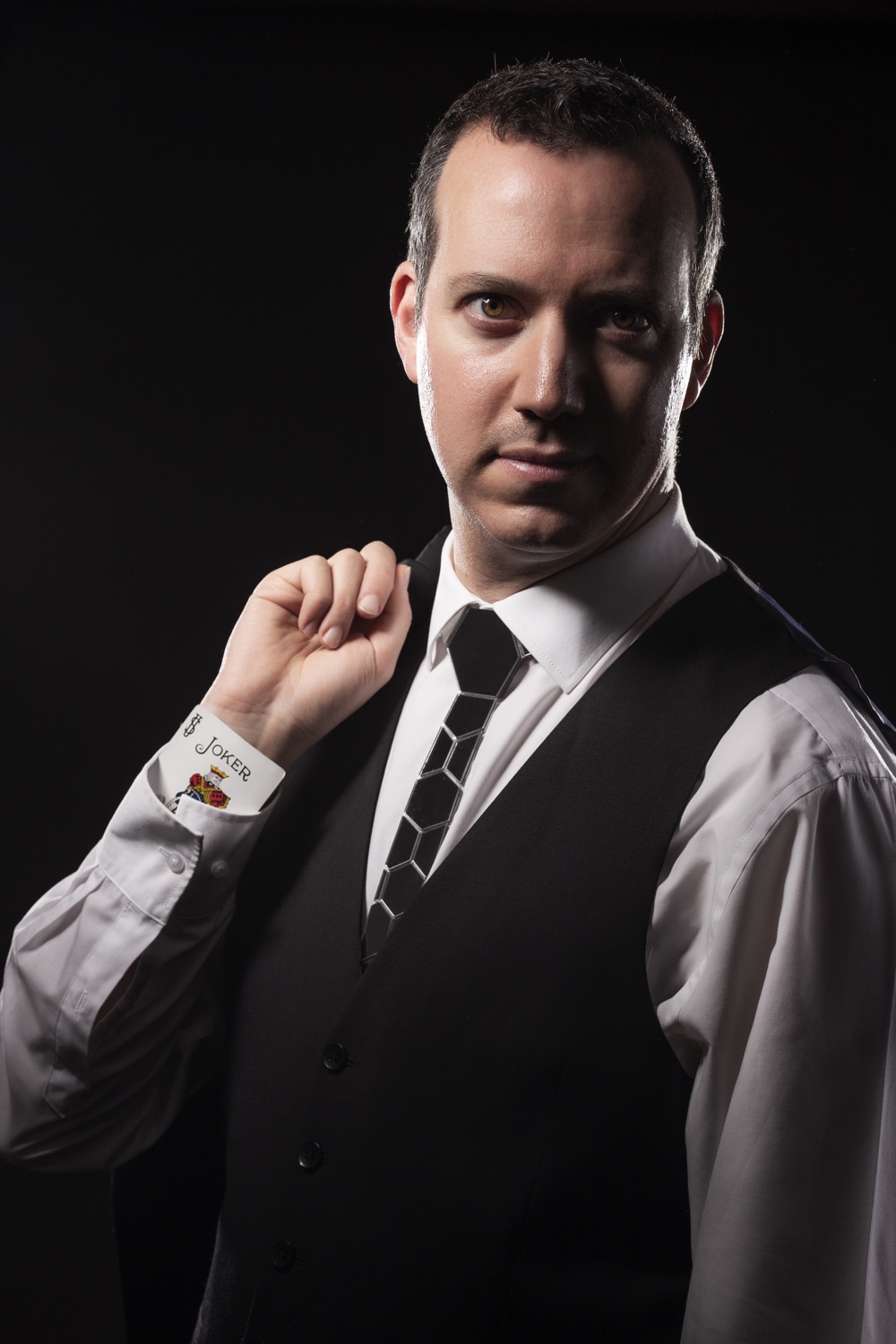
Contemporary close-up magic works particularly well during arrival breaks, refreshments and networking windows because it happens within small groups. Rather than asking delegates to watch a performance from a distance, it gives them a shared moment to react to together.
For senior audiences, intelligent magic and mind reading can be polished, surprising and genuinely social - no clichés, no gimmicks. It is especially effective where guests do not know one another, or where an exhibition area needs more footfall without a hard sell.
2. A rapid-fire networking challenge
Give delegates a concise prompt that has a professional purpose: find someone who has solved a particular business problem, works in a different sector or has attended the event before. The key is to keep it light and optional, not turn a coffee break into another workshop.
A host can announce the challenge before the break, with a small premium prize or recognition at the next session. This works best for conferences built around peer learning, member communities and business development.
3. A live illustrator capturing the day
A skilled illustrator can turn keynote themes, memorable phrases and audience observations into a visual record as the conference unfolds. During the break, delegates can gather around the artwork, spot their own ideas and photograph the developing piece.
It creates a useful focal point without demanding participation. For brand-led events, the final illustration can also become an asset for post-event communications, provided the style and messaging have been agreed in advance.
4. A considered tasting station
Replace a generic refreshment table with a short, curated experience: specialist coffee, alcohol-free cocktails, British cheese, chocolate or a regional food tasting. Keep service fast and portions modest so the station enhances the break rather than creating a queue.
The detail matters. A premium tasting needs knowledgeable hosts, tasteful presentation and a clear fit with the time of day. At a sustainability conference, locally sourced produce may be a natural choice; at a wellness event, it may not be appropriate to centre the break around indulgence.
5. The unexpected expert
A ten-minute micro-session from an unusual but relevant expert can refresh a dense agenda. Think a forensic interviewer discussing observation, a voice coach on executive presence or a professional photographer explaining how to look credible on camera.
This is not another keynote. It should be quick, useful and distinct from the conference theme while still complementing it. Give attendees permission to drift in and out, particularly if the break is also their only chance to take calls or visit the facilities.
6. A private mentalism performance for small groups
A roaming mentalist can create a more exclusive alternative to conventional icebreakers. Short demonstrations of intuition, influence and audience choices feel immediate because the delegates are at the centre of the experience.
For leadership events, client hospitality and awards evenings attached to a conference, this has particular appeal. The performance should be intelligent and discreet, never intrusive. Stephen Barry’s contemporary approach is designed to create that shared sense of astonishment while fitting the calibre of the room.
7. A recharge lounge with a purpose
Not every break needs higher energy. If the agenda involves complex content, back-to-back presentations or delegates travelling long distances, a quiet recharge lounge may be the most thoughtful choice.
Offer comfortable seating away from the main flow, phone charging, water and perhaps a short guided reset delivered through headphones. It is a strong option for senior audiences who value practical consideration over forced fun. The trade-off is that it will not create the same visible buzz as interactive entertainment, so balance it with a more social break elsewhere in the programme.
8. A branded puzzle room
Set up a short, self-contained puzzle that teams can complete in five to eight minutes. It might involve decoding a message connected to the event theme, identifying product features or solving a visual challenge linked to the venue or destination.
The best versions are elegant and accessible, rather than overly complicated. Avoid making delegates download an app or hand over data just to participate. A well-designed physical puzzle gives exhibition stands and sponsor areas a compelling reason to visit.
9. A delegate-led question wall
Invite attendees to post one question they want answered before the day ends. Display the questions on a physical wall or moderated screen, then allow speakers or hosts to address a selected few in the final session.
This gives quieter delegates a route into the conversation and helps organisers understand what the room actually needs. It is most valuable when there is a genuine commitment to respond. If no one will acknowledge the questions, the installation quickly feels performative.
10. A professional portrait pop-up
A quick LinkedIn-style headshot station offers immediate, tangible value, particularly at career, leadership and industry events. With a capable photographer and a simple background, delegates can receive a polished image without the formality of a full shoot.
Manage expectations carefully. A portrait session takes longer than a coffee, so use a booking system or schedule it over several breaks. It is a thoughtful addition for conferences with graduates, entrepreneurs, sales teams or attendees building personal visibility.
11. A local discovery moment
For delegates who have travelled, bring a sense of place into the programme. This could mean a brief guided tasting, a local maker demonstrating a craft or a concise cultural performance that feels appropriate to the host city and venue.
Done well, it gives the event a character that a hotel meeting room alone cannot provide. Done carelessly, it can feel like decorative filler. Choose partners with genuine expertise and keep the presentation refined, concise and relevant to the guest experience.
12. A silent disco energiser
A silent disco is not only for late-night parties. A five-minute guided movement session, music-led reset or even a playful team activity through wireless headphones can change the temperature of a room after lunch.
This idea suits creative industries, younger delegate groups and conferences where energy is deliberately part of the brand. It is less suitable for highly formal board-level events, unless the host is confident the audience will welcome a more unexpected moment.
How to choose the right conference break experience
Start with the behaviour you want to encourage. If guests need to meet new people, choose an experience that creates small shared reactions, such as close-up entertainment or a collaborative challenge. If they need to absorb demanding content, provide calm, quality refreshments and space to reset. If sponsors need meaningful engagement, select an activity that naturally draws delegates towards their area.
Timing changes the answer too. Morning breaks benefit from light interaction that does not delay the return to the room. Post-lunch intervals may need something more energising. Evening networking calls for atmosphere, confidence and entertainment that can move fluidly between groups.
The practical details protect the experience. Do not place an activation where it blocks catering or creates noise beside private conversations. Brief every supplier on the audience profile, dress code, event objectives and running order. Premium delivery is often less about adding more and more about ensuring the right element is executed impeccably.
A memorable conference does not fill every minute. It gives people well-chosen moments to think, meet and feel that their time was valued. Make the next break one of those moments, and delegates will carry the energy back into the room.


Comments