

Will Magic Disrupt Dinner Service at Your Event?
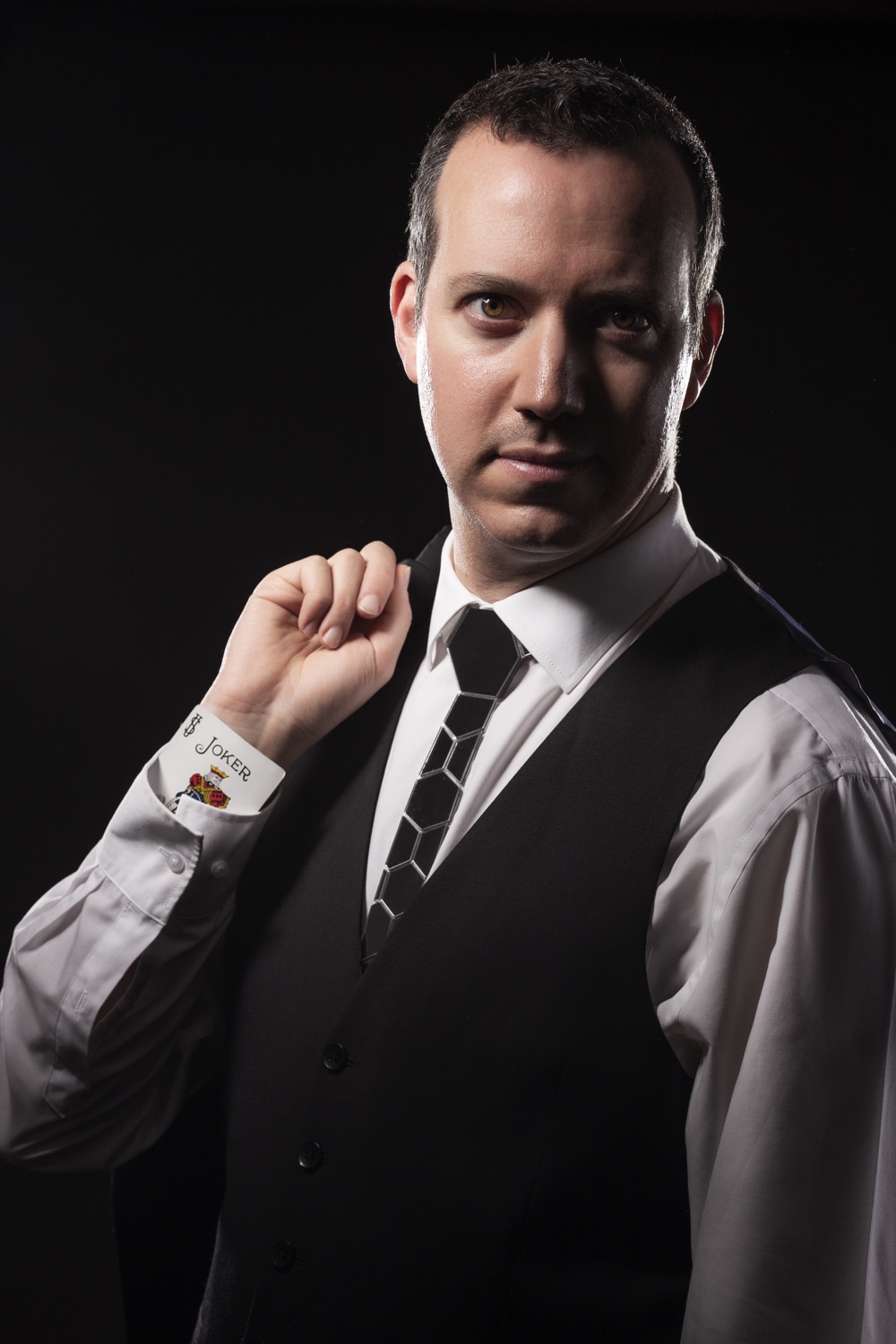
A beautifully planned dinner has its own rhythm: guests are seated, wine is poured, courses arrive on time and conversation settles into the room. It is entirely reasonable for a planner, venue or host to ask: will magic disrupt dinner service? The short answer is no - not when it is designed and delivered with the standards of a premium event in mind.
The better question is whether the entertainment understands the room. Close-up magic and mentalism can turn the quieter intervals of a dinner into moments guests genuinely talk about, without competing with the food, the speeches or the service team. Done badly, it can feel intrusive. Done properly, it feels like it belongs there.
Why dinner entertainment needs a different standard
Dinner is not a drinks reception. Guests are seated more closely together, catering has precise demands and the atmosphere often changes from table to table. One group may be deep in conversation; another may be waiting for a course; a third may include senior guests who expect discretion rather than spectacle.
That is why a generic approach is the wrong fit. A polished magician reads the pace of the room before approaching anyone. There is no need to announce an arrival, pull focus from the host or turn every table into a stage. The strongest performances are brief, personal and intelligently timed.
For corporate dinners, this matters even more. The entertainment reflects the organiser's judgement and, by extension, the brand. A loud, dated routine can weaken an otherwise considered guest experience. Contemporary close-up magic creates engagement without asking the room to lower its standards. No clichés, no gimmicks - just direct, memorable moments between people.
Will magic disrupt dinner service? Timing decides it
Magic itself does not disrupt dinner service. Poor timing does.
An experienced performer works alongside the event schedule rather than treating it as an obstacle. Before the event, that means understanding the format: how many guests are attending, whether service is plated or sharing-style, when speeches are planned, where the bar and reception spaces sit, and whether tables will be turned quickly for an evening programme.
On the night, it means speaking with the venue manager, banquet manager or catering lead. Service teams know when plates are about to land, when coffee will begin and which sections of the room require clear access. Their judgement is essential. A professional performer does not stand in a busy service route, lean across place settings or begin an effect just as staff arrive with hot plates.
The most effective window is usually not one fixed moment. It is a series of short opportunities: after guests sit down but before the first course, between courses once plates have been cleared, or during the natural pause before dessert and coffee. At a wedding, this can be particularly valuable when guests from different families and friendship groups have only just met. At a corporate dinner, it can give delegates a natural reason to speak beyond business.
A flexible performer can also step away entirely when the room needs space. If a course is delayed, if an impromptu speech begins or if guests are engrossed in an important conversation, the performance can move to another table or resume later. That adaptability is part of the service.
What guests actually experience
The fear of disruption often comes from an outdated image of dinner entertainment: a performer demanding attention from a table, producing oversized props and leaving guests unsure how to respond. That is not the experience discerning clients are looking for.
Intelligent close-up magic happens at guest level. It may involve a borrowed item, a thought-of word, a moment of impossible coincidence or an elegant piece of mind reading. The effect is immediate, but the interaction remains relaxed. Guests are not asked to perform, embarrassed for a laugh or separated from their companions.
The result is a small shared experience. One table reacts, neighbouring guests notice, and the conversation continues long after the performer has moved on. That is especially useful at formal dinners, where guests may be seated according to seniority, department or family connection rather than familiarity. Magic gives people a social bridge without forcing an icebreaker.
It can also be more inclusive than a single stage act. A stage performance offers a collective focal point, which can be excellent later in the evening. But close-up entertainment reaches guests who may not enjoy being the centre of attention and ensures the experience is not limited to those seated closest to the front.
The moments when magic should not happen
There are times when the right decision is not to perform. This is a mark of judgement, not a lack of energy.
During the service of a course, the priority is the food and the staff delivering it. During speeches, awards or formal welcomes, the host has the room. If a table is in the middle of an emotional reunion, serious conversation or a private moment, there is no value in interrupting it. Premium entertainment should enhance an event's atmosphere, not insist upon its place within it.
The size and style of the dinner matter too. A small, intimate chef's-table experience may call for a subtle, limited appearance or no table magic at all. A large awards dinner with long intervals between courses may benefit from more extensive guest interaction. At a luxury wedding, the drinks reception may be the main opportunity, with a short return during the room turnaround or after the meal.
It depends on the event's objective. Is the priority networking? Is it celebrating a couple? Is the dinner designed to reward high-value clients, launch a product or bring together a newly merged team? The entertainment format should follow that purpose, not the other way around.
How to protect the guest experience
For organisers, the simplest route to a smooth result is to make entertainment part of the running order rather than an afterthought. A short conversation before the event can establish where the performer should begin, who controls the schedule and which guests or tables may require a more discreet approach.
It also helps to be clear about the desired mood. Some events need energy and visible reactions to lift a quiet room. Others require understated sophistication, with magic discovered naturally rather than announced. Both can work, but they require different choices in material, pacing and presence.
For seated dinners, quality matters more than volume. Trying to visit every guest in a compressed time frame can make the experience feel rushed. Allowing enough time for meaningful interaction produces a better atmosphere and gives the performer freedom to work around service. At larger events, this may mean planning entertainment across the reception, dinner intervals and post-dinner drinks rather than concentrating everything at the table.
This is also where tailored performance has genuine value. A corporate audience may respond to clever mentalism that feels aligned with a campaign, message or product conversation. Wedding guests may value warm, personal interaction that connects generations around the same table. The methods remain invisible; the outcome feels appropriate to the occasion.
A considered addition, not a competing act
The best dinner entertainment does not try to become the evening's main event. It raises the standard of the time around it.
When guests have a remarkable shared moment between courses, the dinner feels more generous. When people who arrived as strangers are laughing and comparing what they saw, networking feels less transactional. When the service team can continue working without obstruction, the venue delivers the polished experience it promised.
That is the difference between simply booking a magician and commissioning entertainment that understands hospitality. Stephen Barry's contemporary close-up magic and mentalism are designed around the people in the room, the pace of the event and the impression a host wants guests to take away.
A dinner service should never be sacrificed for entertainment. With the right performer, it need not be. Give the schedule, the venue team and the guest experience equal respect, and the magic becomes one of those rare details that feels effortless at the time and impossible to forget afterwards.


Comments