

What a Wedding Entertainment Budget Should Cover
The most memorable part of a wedding is rarely the colour of the napkins or the style of the chair covers. It is the feeling in the room: guests laughing together during drinks, strangers becoming part of the same conversation, and a dance floor that feels full because people have already connected. A well-planned wedding entertainment budget protects those moments rather than treating entertainment as an optional extra added at the end.
For couples planning a premium celebration, the question is not simply, “How much should we spend?” It is what kind of guest experience matters most, where the natural lulls in the day will occur, and which suppliers can elevate the atmosphere without demanding attention from the occasion itself.
Start with the shape of your wedding day
Entertainment works best when it is chosen around the flow of the day. A wedding is not one continuous party. It moves through distinct periods: arrivals, the ceremony, photographs, drinks, the wedding breakfast, the turn from day to evening, and the evening celebration. Each has a different energy and a different opportunity to engage guests.
The drinks reception is often the strongest investment point. While you are away for photographs, guests may have an hour or more with no real shared focus. A contemporary close-up magician or mind reader can turn that waiting time into one of the most talked-about parts of the day. It gives mixed groups something immediate to enjoy together, without interrupting conversations, canapés or the venue’s service.
The space between the wedding breakfast and evening party can be equally valuable. Day guests are beginning to leave, evening guests are arriving, and there can be a noticeable change in momentum. Intelligent, personable entertainment bridges that transition and ensures the room never feels as though it is waiting for the next thing to happen.
Live music, a DJ, a band and interactive entertainment are not competing line items by default. They fulfil different roles. Music creates mood and movement; close-up entertainment creates interaction. A strong budget recognises the value of both, then decides which moments need atmosphere and which need guests actively brought together.
How much of your wedding entertainment budget is sensible?
There is no universal percentage that works for every wedding. Venue costs, guest numbers, location, catering style and the length of the day all affect the overall figure. But entertainment deserves to be considered early, alongside photography, food and drink, rather than from whatever remains after every other decision has been made.
A useful approach is to divide the budget into three priorities: atmosphere, engagement and production. Atmosphere includes ceremony music, a drinks-reception musician or a band. Engagement covers performers who mix directly with guests. Production accounts for DJ equipment, sound, lighting, staging and any technical requirements.
For a smaller, elegant wedding, one exceptional interactive performer during drinks and around the tables may deliver more impact than several modest additions. At a larger celebration, a combination can be right: perhaps a musician on arrival, close-up magic during the drinks reception, then a DJ or band for the evening. The objective is not to fill every minute. It is to make the key moments feel considered.
Guest count matters, but it should not be the sole measure of value. A performance for 80 guests can create dozens of shared memories at once, particularly when it moves naturally between groups. The right entertainer does not merely perform to people. They create the stories guests retell at breakfast the following morning.
What you are paying for beyond the performance
Premium entertainment is not just the visible time a performer spends in the room. The fee also reflects preparation, experience, travel, insurance, professional equipment, administration and the judgement required to work a live event well.
At a wedding, timing is fluid. Photographs run over, speeches move, service takes longer than expected and family members need a moment of attention. An experienced professional reads the room, works around the schedule and adapts without creating pressure for you, your planner or the venue team. That confidence is part of the investment.
You are also paying for discretion. The best wedding entertainment feels present but never intrusive. It complements the style of the occasion, respects the couple and avoids the dated tricks, forced humour and over-familiar approach that can make a polished event feel less polished. No clichés, no gimmicks, and no need for guests to be singled out uncomfortably.
When comparing quotations, check what is included. Ask about performance duration, arrival time, breaks, travel, VAT where applicable, sound requirements and whether the entertainer will work around your timeline. A lower initial price can become less attractive if it excludes essentials or provides little flexibility on the day.
The value of direct experience
A wedding is a live environment with every generation in the room. Your entertainment should be sophisticated enough for discerning guests, accessible enough for everyone else, and adaptable enough to work at a country house, central London hotel, private marquee or destination celebration.
Video and reviews are useful, but they should confirm a broader standard: calm professionalism, modern presentation and genuine audience connection. Look for an entertainer who understands that they are representing your wedding, your venue and your taste.
Where to spend and where to be selective
If your budget has limits, spend on the moments when guests are together but not naturally occupied. The drinks reception is usually first on that list, followed by the room turnaround or early evening. These are the points at which entertainment can change the texture of the day most dramatically.
Be more selective with entertainment that duplicates another supplier’s role. If you have booked a high-energy band for the evening, you may not need another major focal act at the same time. If you are hosting an intimate lunch with only close family, elaborate production may add little. Quality of placement is more important than quantity of bookings.
It is also worth protecting a contingency amount. Rural venues, late finishes, additional guest numbers and specialist technical requests can all affect the final cost. Leaving a modest margin means you can make decisions based on fit rather than being forced into the cheapest available option.
A very low quote is not always a warning sign, but it should prompt careful questions. Is the performer established in weddings? Are they insured? Do they have credible evidence of working at events of a similar standard? Will their style suit a room containing grandparents, colleagues, children and friends? The right answer is not necessarily the most expensive one. It is the one that gives you confidence.
Build entertainment into your timeline, not around it
Once booked, share your schedule with your entertainer and, where relevant, your planner or toastmaster. They should know when guests arrive, when you leave for photographs, the planned timing of the wedding breakfast, speeches and first dance, plus any surprises you are keeping under wraps.
A flexible outline is better than a rigid minute-by-minute instruction sheet. Great close-up entertainment is responsive: it can focus on quieter groups, entertain guests during a delayed course, or create a memorable welcome for evening arrivals. That flexibility only works when the performer understands the wider plan.
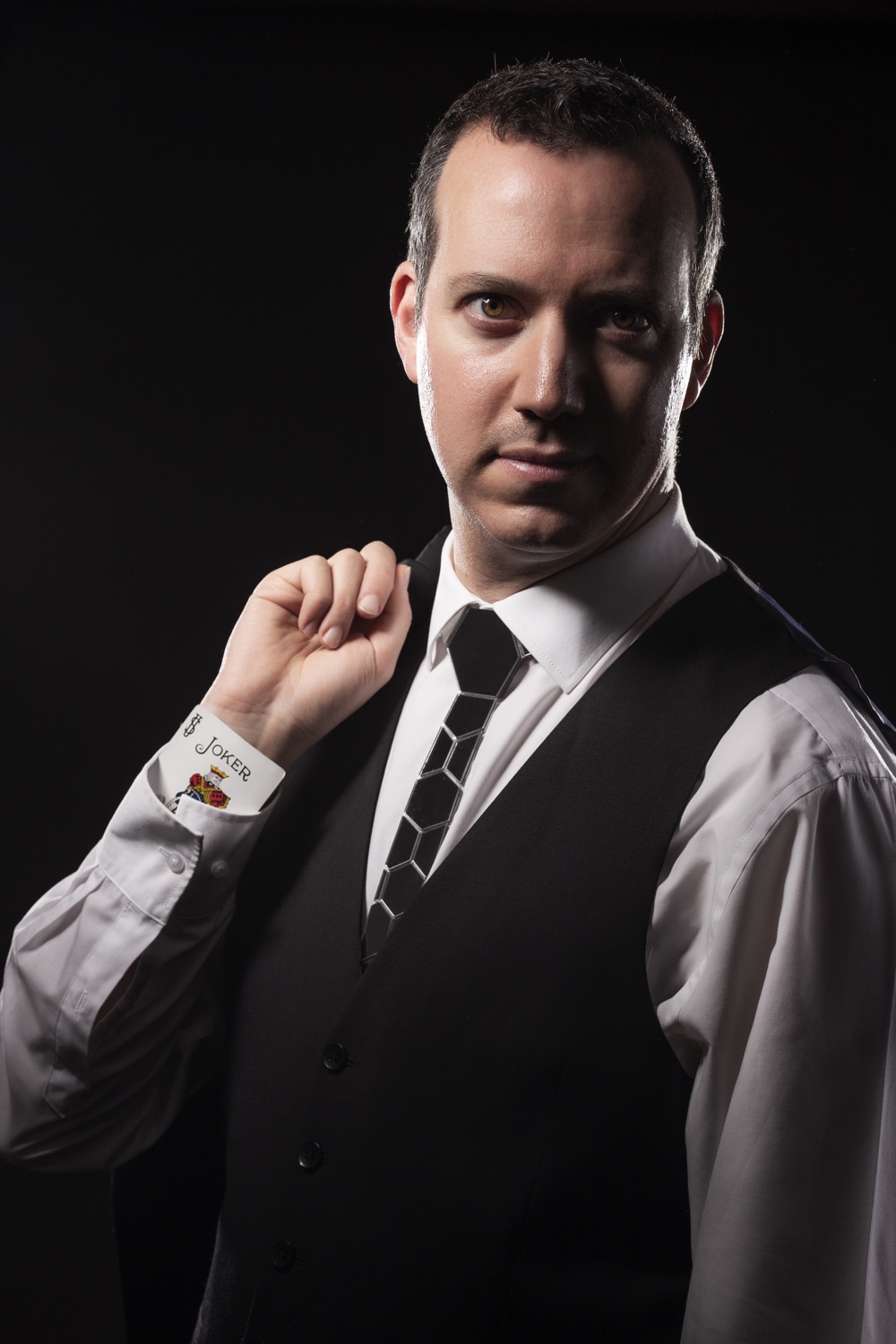
For couples looking for a refined, high-impact option, Stephen Barry’s contemporary magic and mentalism is designed for precisely these social moments. It creates direct engagement between guests while maintaining the assured, polished atmosphere a significant wedding deserves.
The decision that guests will feel
Wedding budgets are full of choices that look different on a spreadsheet. Entertainment is one of the few that changes how the day feels in real time. It can make a beautiful room warmer, a waiting period more enjoyable and a collection of guest groups feel like one celebration.
Choose the moments you most want people to remember, allocate your wedding entertainment budget there, and book professionals who can make those moments happen with intelligence, ease and impeccable judgement.


Comments