
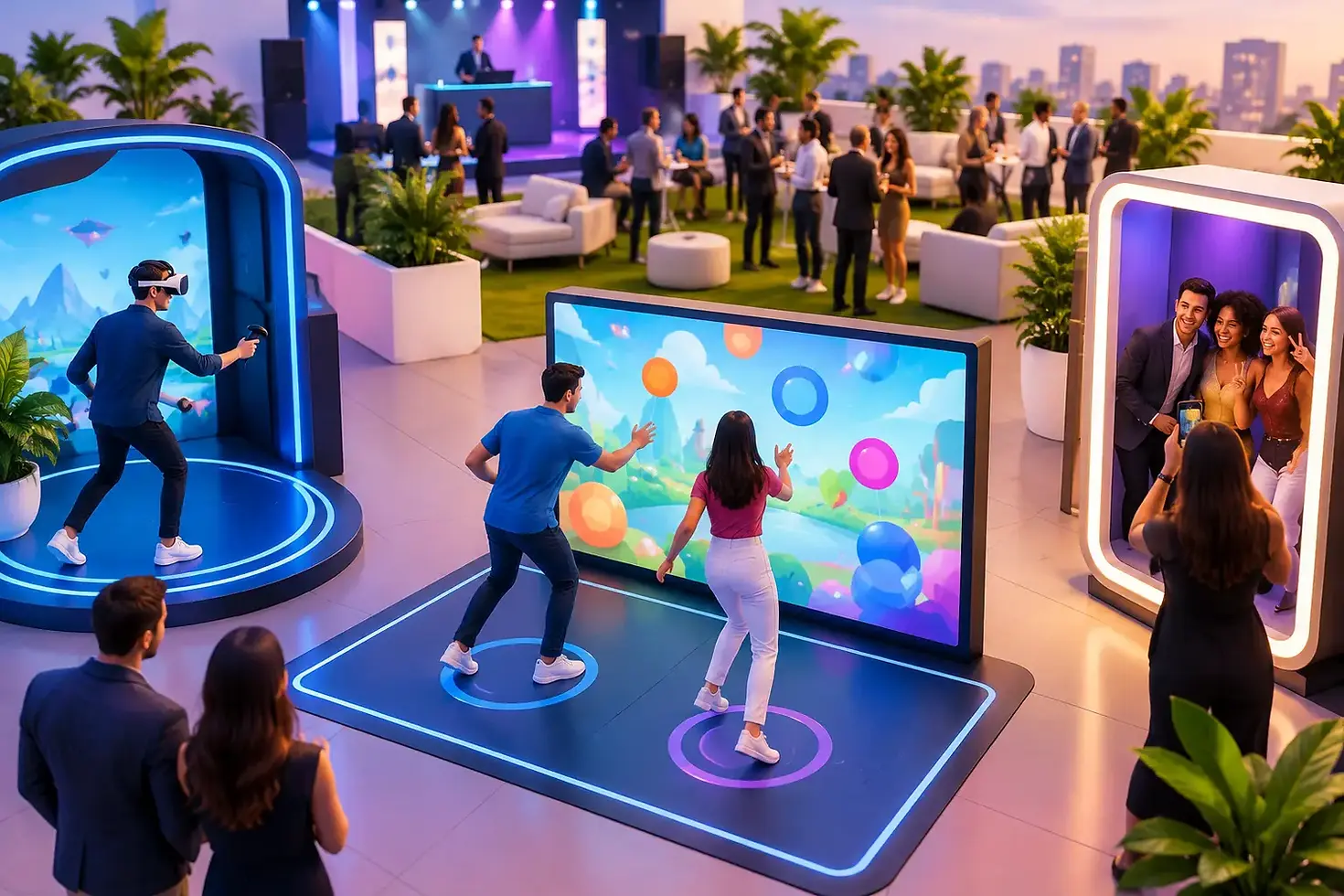
Interactive Entertainment That Elevates Events
A beautifully dressed room, an impressive guest list and excellent catering do not automatically create an atmosphere. The moments guests remember are usually the ones in which they were personally involved. That is where interactive entertainment earns its place: it turns waiting time, polite conversation and separate groups into a shared experience with real energy.
For weddings, corporate occasions, exhibitions and private celebrations, the right performance does more than fill a gap in the schedule. It gives people a reason to talk, laugh, question what they have just seen and connect with those around them. Done properly, it feels effortless. No clichés, no gimmicks, and no need to ask guests to sit quietly while the event happens around them.
What interactive entertainment really means
Interactive entertainment is not simply an entertainer inviting volunteers onto a stage. It is a format built around participation, reaction and proximity. Guests are not watching from a distance. They are holding the impossible object, making the decision, naming the thought, or witnessing a moment unfold inches from their own hands.
Close-up magic and contemporary mentalism are particularly effective because they can meet people where they are. At a drinks reception, performance can move naturally between small groups. During a dinner, it can bring warmth to a table without interrupting service. At an exhibition, it can create a compelling reason for visitors to stop, engage and stay longer.
The distinction matters. Passive entertainment may be impressive, but interactive performance creates ownership. A guest who has experienced an impossible moment first-hand is far more likely to retell it later, often becoming part of the story themselves.
Why guest engagement changes the event
Events bring together people with different levels of confidence, familiarity and interest. At a corporate reception, colleagues may stay within their own teams. At a wedding, families who have never met may need a natural route into conversation. At a luxury private event, guests expect quality without anything feeling forced or overly familiar.
A skilled interactive performer acts as a social catalyst. The performance gives strangers a common reference point within seconds. Instead of beginning with the usual questions about work, travel or the venue, guests are discussing what they have just witnessed. That small change can transform the room.
This is particularly valuable during periods that can otherwise lose momentum: arrivals, photography, room turns, pre-dinner drinks and the interval between formal elements. The entertainment is not a distraction from the event. It is a considered way to make those moments feel purposeful.
There is also a commercial advantage for business events. When visitors are comfortable, engaged and talking, brand representatives have better conversations. A memorable interaction makes a stand or hospitality area more approachable, especially when the performance has been designed to complement the tone of the brand rather than compete with it.
Interactive entertainment for different event formats
The strongest format depends on the audience, venue and objective. There is no single answer that suits every event, which is why consultation matters before a performance is planned.
Weddings and private celebrations
At weddings, close-up magic works exceptionally well during the drinks reception and wedding breakfast. It keeps the atmosphere lively while photographs are being taken and helps both sides of the family mix naturally. The best performances are inclusive rather than intrusive, with intelligent moments that appeal across generations without turning anyone into the butt of a joke.
For milestone birthdays and high-profile private gatherings, discretion is equally important. Guests may want to be entertained, but they do not want a performer to dominate the room. Sophisticated close-up magic and mind reading can create a sense of occasion while respecting the rhythm, privacy and style of the host’s plans.
Corporate events and hospitality
Corporate entertainment has to earn its place. A performance should reflect well on the organiser, complement the guest experience and work comfortably alongside presentations, catering and networking. It also needs to suit a room that may contain senior leaders, clients, prospects and colleagues at different levels.
Contemporary mentalism is often a strong fit because it feels intelligent, conversational and highly personal. It can create moments of genuine astonishment without relying on dated visual tropes. For awards evenings or after-dinner settings, a tailored stage performance can bring the whole room together, provided it is paced around the evening rather than added as an afterthought.
Exhibitions and brand activations
Exhibition floors are competitive environments. Every stand is competing for attention, and a polished display alone may not be enough to start conversations. Interactive entertainment can provide an elegant opening, giving visitors a reason to pause without making them feel trapped in a sales pitch.
The key is relevance. Brand messaging can be incorporated selectively, but it should never overwhelm the experience. Guests remember a smart, surprising moment far more fondly than a branded trick with an obvious commercial message. The right balance creates curiosity first, then allows the team on the stand to build a meaningful conversation.
The difference between participation and pressure
Not all audience interaction is equal. An event can become uncomfortable quickly when participation relies on embarrassment, loud confrontation or putting reluctant guests on display. That approach may create a reaction, but it is rarely the reaction a premium host wants associated with their event.
Quality interactive entertainment gives guests control. People can engage at the level that feels natural, whether that means watching a close-up performance within a small group, offering a choice, or taking part in a thought-reading demonstration. The atmosphere should feel confident and relaxed, never demanding.
This is one reason close-up performance is so effective for mixed audiences. It is personal without being pressurised. Guests can enjoy an extraordinary experience with friends, colleagues or family members, then continue the conversation long after the performer has moved on.
What to look for when booking a performer
The decision is not simply about finding someone who can perform impressive material. For a significant event, the performer represents your brand, venue or celebration. Their judgement, presentation and ability to read a room are as important as technical skill.
Look for a contemporary style that suits the occasion rather than a generic act that is repeated unchanged from one event to the next. Video and reviews can help indicate quality, but the consultation should reveal whether the performer understands your guest profile, timings and objectives. A good entertainer asks the right questions before offering a format.
Professionalism also shows in the details: arriving prepared, working around venue staff, adapting to last-minute changes and knowing when to step forward or give the room space. For corporate hosts, this protects the event’s credibility. For wedding couples, it provides reassurance that one more important element is in safe hands.
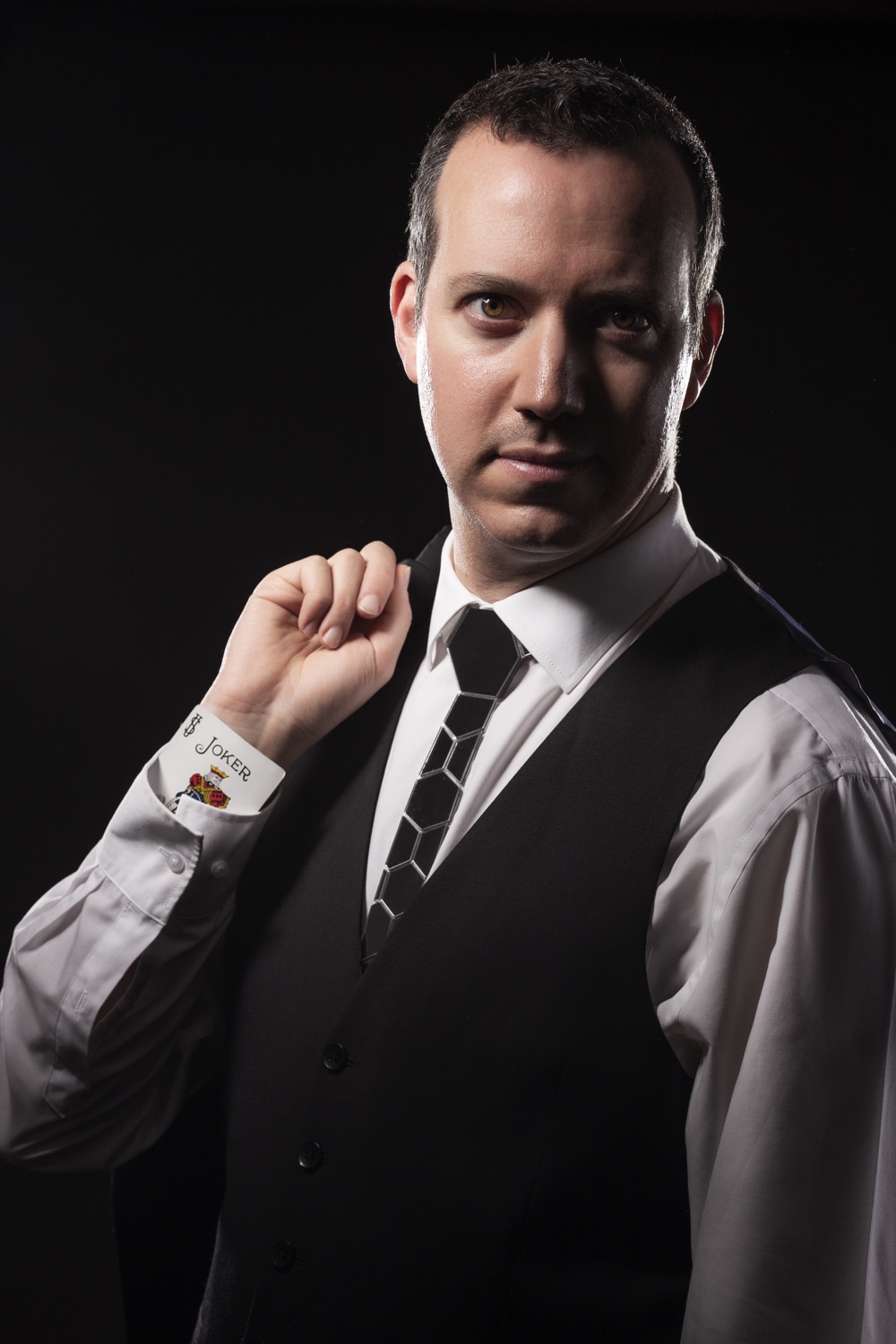
Stephen Barry approaches live entertainment as an extension of the event experience, combining close-up magic, mind reading and tailored performance with the polish expected at premium occasions. The aim is never to make the entertainment the only thing guests notice. It is to make the entire event feel more engaging because it was there.
Designing an experience guests will talk about
The most effective entertainment is planned around a clear purpose. If the aim is to break the ice, position performance early while guests arrive. If the priority is rewarding clients, build in intimate, high-impact moments during hospitality. If a brand needs greater footfall at an exhibition, create a visible but refined focal point that invites curiosity.
Timing is just as important as format. A close-up performer may be ideal across a long drinks reception, while a short stage set can provide a collective highlight after dinner. In some cases, combining both gives the best result: individual moments early in the event, followed by a shared finale once the room is gathered.
The final test is simple. Ask whether the entertainment will give guests something genuinely enjoyable to take away from the occasion. When it is tailored, intelligent and expertly delivered, it does far more than entertain. It creates the conversations that make an important event feel alive.


Comments