.png)

Why a Magician for Product Launch Events Works
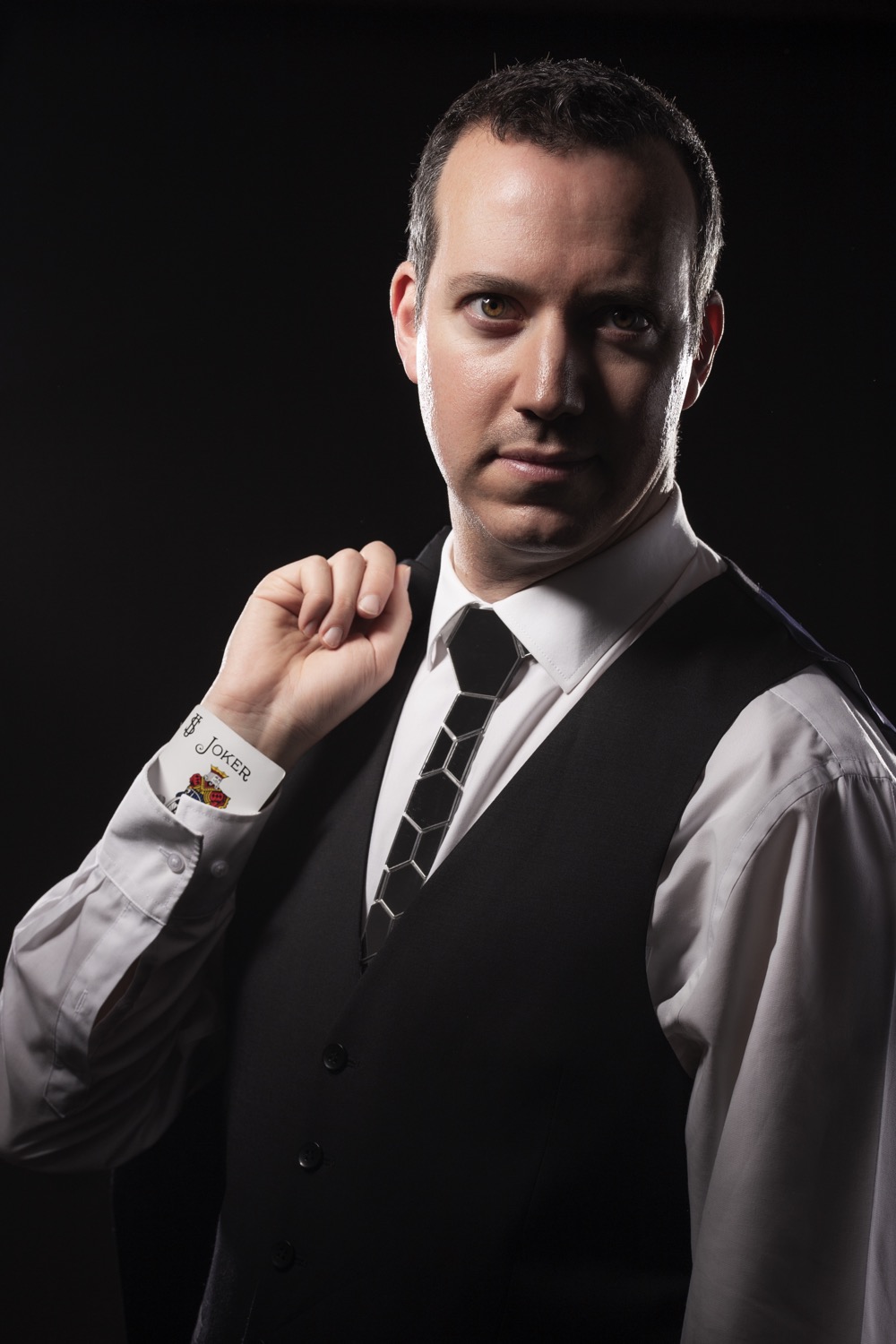
A product launch has a narrow window to make an impression. Guests arrive, take in the room, collect their drinks and decide, often within minutes, whether this is an occasion worth their full attention. A magician for product launch events can change that dynamic, turning passive attendees into engaged participants before the first presentation begins.
This is not about placing a conventional entertainer in the corner of a branded room. Done properly, contemporary magic and mentalism create moments of surprise that feel personal, photograph well and give people a natural reason to speak to one another. For brand teams, agencies and event planners, that means stronger guest energy, more memorable interactions and an event that feels considered rather than simply well-produced.
The launch is an experience, not just an announcement
Most product launches have the same commercial challenge: a new product must compete with everything else demanding the audience's attention. Even an exceptional venue, impressive production and compelling keynote can leave gaps in the guest journey. Registration, arrivals, drinks receptions and networking periods can easily become functional rather than exciting.
Intelligent close-up magic fills those spaces without interrupting them. Small groups are drawn into something impossible happening in their own hands, while mind reading creates the kind of reactions people instinctively want to compare with colleagues. The result is not background entertainment. It is a shared experience that gives the room momentum.
That distinction matters. The right performance should support the atmosphere you want to create: confident, forward-looking, premium and socially active. It should never feel like a distraction from the product itself.
What a magician for product launch events adds
A launch often brings together mixed audiences. There may be media, buyers, investors, existing clients, influencers, senior leadership and internal teams in the same room. They may not know one another, and they will not all respond to the same sales message. Live magic gives them an immediate point of connection without forcing conversation.
It creates an immediate reason to stop and engage
Exhibition stands and launch spaces are busy places. People need a reason to pause rather than walk past. A polished magician can attract attention through the reactions of a small crowd, then engage new arrivals naturally. This is particularly valuable when guests are circulating freely or when the product demonstration is scheduled for later in the evening.
The goal is not to gather a crowd for its own sake. It is to create warm, low-pressure entry points for meaningful conversations with the brand team. When an audience is already smiling, curious and involved, your staff have a better opening to introduce the product.
It makes a brand message more memorable
The strongest launch entertainment is tailored around the occasion. A reveal can incorporate a product name, a campaign thought, a key feature or a visual identity in a way that feels integral to the effect. It gives the audience a moment they remember as part of the launch, not a separate act they happened to see.
Tailoring needs judgement. A branded playing card or logo placed into every routine is rarely sophisticated. It can feel forced and reduce the impact. The better approach is to identify one or two meaningful touchpoints and build them into the performance with restraint. The magic remains surprising, while the brand remains present.
It gives networking a lift
Networking is often listed as an event objective, yet left largely to chance. People tend to stay with colleagues or reach for their mobile phones during quieter moments. Close-up magic breaks that pattern by bringing strangers together around a shared reaction.
For VIP rooms, partner receptions and press previews, this can be especially effective. Guests do not need to volunteer, understand rules or commit to a long performance. They simply become part of an engaging moment, then have something genuine to discuss afterwards.
It supports content without demanding it
A visually strong performance generates natural mobile phone footage, photographs and social conversation. That can be useful when a launch has a social element, but it should not be engineered as a gimmick. Guests are far more likely to share a moment when they are genuinely astonished than when they are asked to create content.
If filming is planned, brief the performer in advance. They can help identify moments that play well on camera, while ensuring guest experience still comes first. For some high-level launches, discretion matters more than exposure. The format should follow the event objective.
Choose the format around the guest journey
There is no single right style of performance. The best choice depends on guest numbers, venue layout, agenda and the role entertainment needs to play.
Close-up magic is often the most flexible option. It works during arrival drinks, table service, networking and exhibition periods, reaching small groups without requiring a formal stage or changing the running order. It is ideal where the aim is to create continuous engagement across the room.
A stage or cabaret performance suits a launch with a defined reveal, seated audience or keynote moment. Mentalism is particularly effective here because it feels intelligent, contemporary and highly participatory. It can bring the room together before a presentation, create a memorable finish to dinner or add impact after the product has been unveiled.
For larger activations, a combination can be the answer. Close-up performance builds energy throughout the event, followed by a concise feature performance at the point where every guest is gathered. This approach requires careful timing, but it can give the launch both intimate interaction and a clear collective high point.
The difference between premium entertainment and a novelty act
A product launch puts every supplier under scrutiny. The venue, catering, production, hosts and entertainment all communicate something about the brand. That is why the performer should be chosen for more than technical ability.
Look for a magician who understands corporate audiences and can read the room. They should be confident approaching small groups, but never intrusive. They should know when to perform, when to step back and how to work alongside event staff, photographers, presenters and security. At a premium event, that level of awareness is as valuable as the performance itself.
Presentation also matters. Modern magic should feel polished and relevant, with no tired props, no awkward comedy routines and no attempts to make guests look foolish. The best reactions come from making people feel included, not exposed. No clichés, no gimmicks - just direct, intelligent entertainment that earns attention.
Briefing your performer for better results
A short, focused briefing makes a major difference. Share the audience profile, the purpose of the launch, the product story and any sensitivities around messaging. Explain the running order, key people in the room, dress code and the moments when you most need energy.
It is equally useful to state what you do not want. Perhaps the event requires a discreet approach around high-profile guests, or perhaps a particular theme would clash with the brand. Clear boundaries allow the performer to make confident creative choices and protect the tone of the occasion.
Think about logistics as well. Where will guests gather first? Are there areas with poor lighting or loud music? Will the performer need access before doors open? A professional will ask these questions because a great set performed in the wrong place or at the wrong time has less value than a well-judged interaction at precisely the right moment.
Measuring the value beyond applause
Entertainment does not replace a clear product proposition, expert hosts or a well-designed launch strategy. It amplifies the environment in which those things are received. Its value may show up in longer dwell time, more conversations at an activation, better guest feedback, stronger event footage or simply a room that feels engaged rather than fragmented.
For an internal launch, it can also signal confidence in the product and appreciation for the people bringing it to market. For a client-facing launch, it tells guests that the brand has thought beyond the sales presentation and invested in how they feel during the experience.
Stephen Barry creates contemporary magic and mind reading for launches where the audience experience matters as much as the announcement. The performance can be shaped around a private preview, a national campaign event, an exhibition activation or an intimate VIP reception.
A memorable launch does not need more noise. It needs the right moments: the ones that draw people together, make them look twice and leave them with something worth talking about long after the product has been introduced.


Comments