.png)

Event Entertainment Trends Worth Planning For
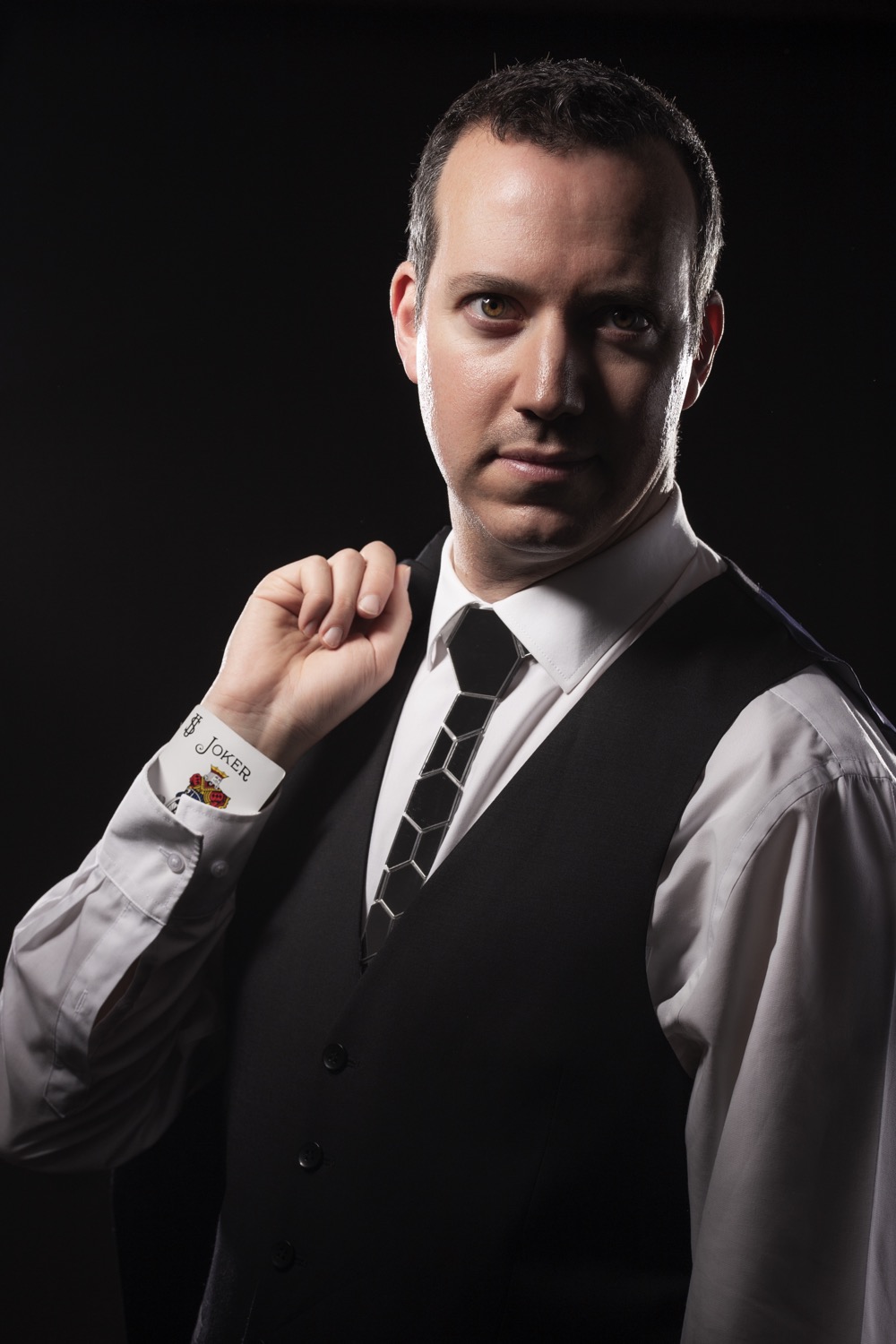
A full room is not the same as an engaged room. The most relevant event entertainment trends reflect a clear shift away from passive spectacle towards experiences that give guests a reason to interact, react and talk to one another. For planners, couples and brand teams, that distinction matters. Entertainment is no longer simply something scheduled between dinner and speeches. When selected well, it shapes the atmosphere of the entire occasion.
The appetite is for quality over noise: intelligent performances, personal moments and entertainment that feels at home in a premium environment. That does not mean every event requires a grand stage production. Often, the strongest choice is the one that meets guests where they are, creates a genuine shared moment and supports the purpose of the event without competing with it.
Event entertainment trends are becoming more personal
Large-scale visual moments still have their place, particularly for launches, awards evenings and luxury celebrations. Yet the experiences guests remember most are increasingly individual. A moment of close-up magic at a drinks reception, an impossible revelation tailored to a guest or an elegant piece of mind reading at the dinner table carries a different kind of impact. It feels as though it happened for them, rather than merely in front of them.
This is particularly valuable at events with mixed guest lists. At a wedding, close-up entertainment can bridge the gap between family members, old friends and new acquaintances while photographs are being taken. At a corporate reception, it gives colleagues, clients and prospects a natural starting point for conversation. The performance becomes the social connector, not a demand for attention.
Personalisation should be meaningful, however. Adding a logo or a name to every element can feel forced. The more sophisticated approach is to understand the audience, the setting and the desired emotional effect, then build moments that fit naturally. A finance audience may enjoy precision and psychological intrigue. A creative brand launch may favour visual surprises and playful interaction. The method is secondary to the feeling it creates.
Interaction is replacing passive entertainment
Guests have spent years becoming accustomed to screens, content and constant distraction. As a result, passive entertainment has a higher bar to clear. A standard performance can still be impressive, but the experiences people share, film and discuss afterwards tend to be participatory.
That does not mean placing unwilling guests in the spotlight. Premium interaction is about judgement. It invites people in rather than putting them on the spot, and it reads the room well enough to know when to move on. The best performers create energy around a group while allowing every guest to remain comfortable and included.
For organisers, this has practical benefits. Networking events need people to start conversations quickly. Exhibitions need visitors to pause at a stand without feeling ambushed by a sales pitch. Corporate dinners need to sustain momentum between courses. Interactive entertainment can solve these problems with more elegance than a loud icebreaker or a generic activity ever could.
Entertainment is being judged by event outcomes
The question is increasingly not, “Was the entertainment good?” but, “What did it do for the event?” For a business, the answer might be greater dwell time at an exhibition stand, warmer conversations with prospective clients or an experience that makes a launch feel distinct from its competitors. For a wedding couple, it might be seeing every generation laughing together before the wedding breakfast begins.
This outcome-led approach is changing how entertainment is commissioned. Clients are looking beyond a performer’s technical ability and asking whether they understand guest flow, brand standards and the realities of a live event. A brilliant act delivered at the wrong point in the schedule can still fall flat. Equally, a well-timed close-up performance during a quiet transition can transform the mood of a room.
Briefing matters. An entertainer should know who will be in attendance, what the event needs to achieve, how formal the environment will be and where performance can have the most effect. At a high-profile private gathering, discretion may be the priority. At a trade show, the priority might be drawing a crowd while leaving the team free to begin commercial conversations. There is no single format that suits every brief.
Contemporary presentation matters as much as the effect
Audiences know the difference between a polished contemporary performer and entertainment that feels dated. They may not articulate it in technical terms, but they notice the language, wardrobe, pacing and confidence. They notice whether a performer enhances the room or changes it for the worse.
The current direction is clear: no clichés, no gimmicks, no theatrical fuss that belongs to another era. That does not mean entertainment must be serious. It means the style should be intentional. Humour can be sharp without being crude. Magic can be astonishing without looking childish. Mentalism can feel sophisticated without becoming intrusive.
For premium venues and brands, this is not a cosmetic concern. Every supplier contributes to the guest’s perception of the occasion. If the entertainment feels out of step with the food, design, hospitality or client brand, the whole experience loses cohesion. The right performer understands when to be the focus and when to work almost invisibly within the rhythm of the event.
Short-form content is influencing live choices
Social media has encouraged guests to look for moments worth capturing, but the best live entertainment should never be designed solely for a phone screen. A filmed reaction can be powerful proof of atmosphere, yet the room must come first. If guests are busy recording rather than experiencing the moment, the performance risks becoming content production rather than entertainment.
The opportunity lies in creating visually strong, emotionally immediate moments that people naturally want to share. A memorable reaction, a collective gasp or an elegant impossible moment can travel far beyond the venue without asking guests to behave like an audience for a campaign.
For corporate clients, this requires care around permissions, VIPs and brand sensitivity. A considered entertainment professional will work comfortably around those boundaries. Not every impressive moment needs to be posted, and exclusivity is often part of what makes an event feel special.
Flexible formats are now essential
Event schedules are less predictable than they once were. Guests arrive late, speeches overrun, rooms change and weather affects outdoor plans. Entertainment that can adapt across a reception, dinner, networking session or after-party gives organisers valuable breathing space.
Close-up magic and mind reading are especially effective because they can work in small groups without halting the wider event. A tailored stage performance can then provide a shared focal point when the schedule calls for it. The strongest entertainment strategy is often layered: intimate interaction early on, followed by a collective moment later, rather than relying on a single fixed slot.
This flexibility is also useful for venues with practical limitations. Noise restrictions, tight room layouts and concurrent activities can make a conventional show impractical. A skilled performer can create impact without requiring a large technical footprint or disrupting the service team.
What this means when booking entertainment
Trend awareness is useful, but booking decisions should not be made because an idea is fashionable. Start with the guests and the outcome. Consider when people are most likely to need a lift in energy, whether they already know one another and what level of formality the event demands.
Then assess the entertainment against the setting. Ask whether it encourages the type of interaction you want, whether its style reflects the event’s standard and whether the performer can adapt if timings shift. Video and reviews are useful indicators, but a direct conversation often reveals more about judgement, professionalism and how closely the experience can be tailored.
The most effective event entertainment does not feel bolted on. It becomes part of why guests stay longer, speak more freely and remember the occasion with real warmth. That is the standard worth planning for - an experience with enough intelligence to suit the room, enough personality to start a conversation and enough impact to remain long after the final guest has left.


Comments