.png)

Entertainment for Client Hospitality That Works
A private dining room can have an exceptional menu, impressive guest list and flawless service, yet still feel cautious for the first half of the evening. That is the moment entertainment for client hospitality earns its place. Done properly, it gives people a natural reason to engage, turns polite introductions into genuine conversation and makes the host’s investment feel considered rather than obligatory.
For corporate hosts, relationship managers and event planners, the objective is not simply to fill a gap between courses. It is to create an atmosphere where clients feel welcomed, valued and comfortable enough to connect. Contemporary close-up magic and mentalism can do this with rare immediacy: no stage is required, no guest is singled out uncomfortably, and the experience happens in the room rather than competing with it.
Why client hospitality needs more than a good venue
Hospitality events are often built around a clear commercial purpose. You may be thanking key accounts, starting a new partnership, hosting prospective clients before a major decision or bringing senior people together away from a formal meeting. The venue, food and wine signal quality, but they do not automatically create interaction.
This is particularly true when guests arrive from different organisations or departments. People tend to stay with familiar colleagues. Conversations can remain transactional. At a dinner, the periods before guests are seated and between courses can feel longer than anticipated.
Intelligent entertainment changes that dynamic without forcing it. A close-up performance creates small moments of surprise and shared reaction among groups of guests. Someone who has just experienced an impossible moment has something better to say than, “What do you do?” The effect travels around the room, introductions become easier and the event develops energy of its own.
That matters because people remember how an occasion felt. A well-chosen performer is not the centre of attention for the entire evening. They are a catalyst for the connections the event was designed to support.
Entertainment for client hospitality should reflect the room
There is no single format that suits every hospitality brief. The best choice depends on guest numbers, venue layout, the schedule and how visible you want the entertainment to be.
For a drinks reception, close-up magic is often the strongest fit. It reaches guests in small groups, gives early arrivals something to enjoy and prevents the room from dividing into isolated circles. It can continue naturally while photographs are taken or while guests wait to be seated.
At a seated dinner, discreet table magic between courses keeps the atmosphere elevated without disrupting conversation or service. The key is timing. A professional performer works around the venue team, reads the pace of the room and knows when to move on. Guests should feel entertained, never managed.
For a larger awards dinner, conference hospitality suite or a client event with a defined programme, a tailored stage or cabaret performance may have more impact. This creates a shared focal point for the whole room, particularly when the audience already knows one another and the organiser wants a memorable high point. It does require attention to sightlines, sound, running order and the appetite for a more formal moment.
Mentalism can be especially effective in senior settings because it feels conversational, intelligent and personal. The appeal is not a loud spectacle. It is the collective disbelief that follows an apparently impossible insight. Used with restraint, it suits guests who expect sophistication rather than a conventional party act.
The difference between a performer and an event asset
Premium entertainment should support the host’s reputation. This is where many bookings either succeed or fall short. A performer may be technically capable, but if their style is dated, over-familiar or disconnected from the audience, they can undermine an otherwise carefully planned occasion.
The right entertainer understands that every interaction reflects on the organiser. They arrive prepared, present themselves impeccably and engage confidently with everyone from the chief executive to the newest member of a client team. They know how to approach a group without interrupting a meaningful conversation and how to involve quieter guests without putting them on the spot.
No clichés, no gimmicks. The strongest hospitality entertainment feels current and effortless, even though it has been planned with precision. It should complement a luxury venue and high-level guest list, not ask the audience to lower their expectations.
This is also where tailoring matters. A light reference to a company milestone, campaign message or client relationship can make a performance feel commissioned rather than imported. The detail must be appropriate. Overloading an act with branding can feel forced, while a subtle, intelligent integration can reinforce why the guests are together.
Plan for engagement, not just entertainment
A clear brief produces a better result. Before booking, establish what success looks like. Is the priority breaking the ice among new contacts? Rewarding long-standing clients? Making a modest networking event feel more premium? Or creating a talking point that extends beyond the evening?
Share the practical details early: guest profile, number of attendees, event timings, dress code, venue access and any moments that cannot be interrupted. If there are VIPs, overseas guests or people who should be treated with particular discretion, say so. This is not excessive administration. It allows the entertainment to feel perfectly judged on the night.
It is equally valuable to involve the venue or catering manager. Entertainment during a reception, for example, works best when the performer knows where guests will gather, when drinks will be served and how the room will change before dinner. At a seated event, coordinating around food service prevents the experience from clashing with the very hospitality you have invested in.
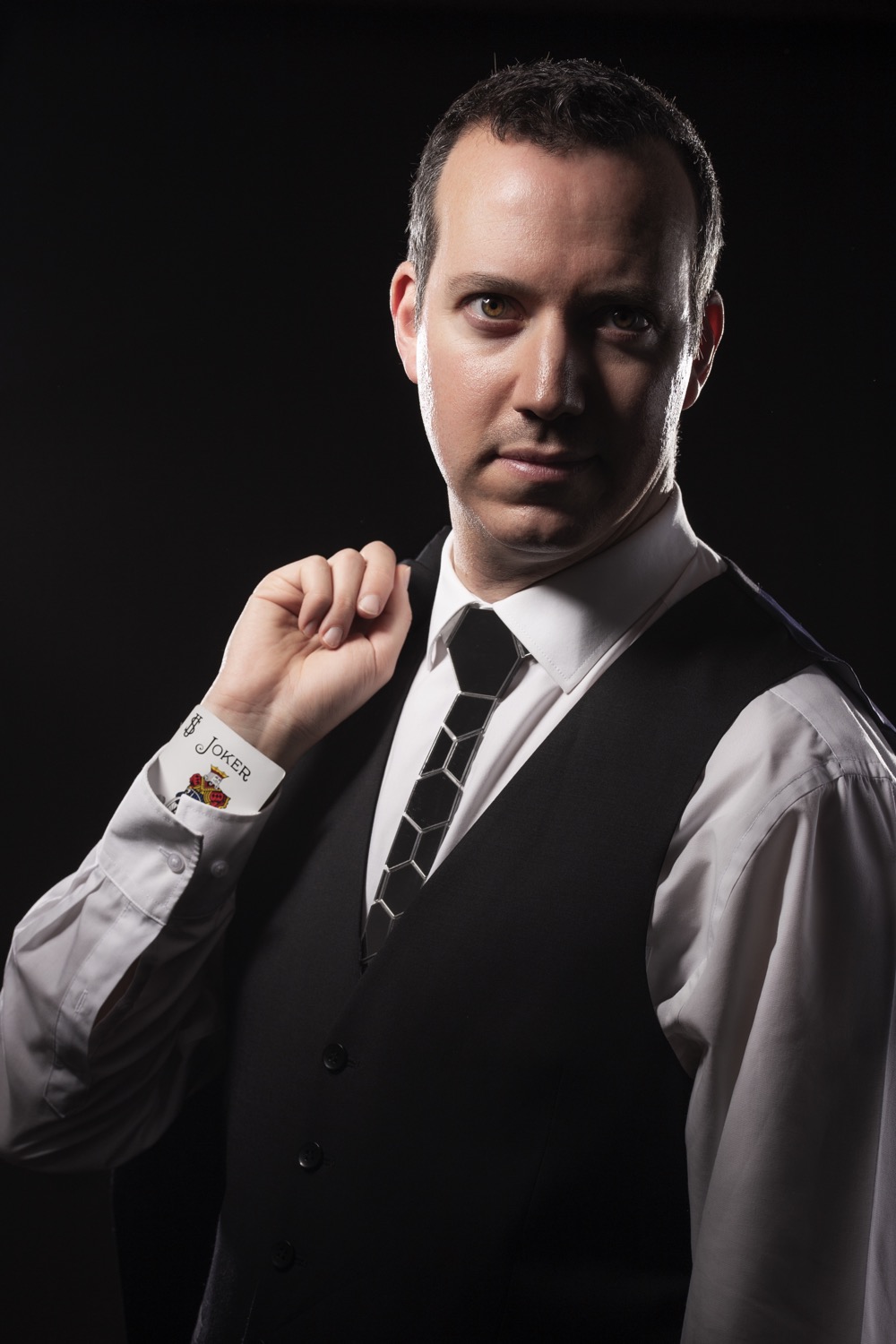
Stephen Barry approaches this planning as part of the performance, shaping contemporary magic and mind reading around the audience, event environment and desired outcome. That is the standard to look for: entertainment designed for the occasion, not a routine simply placed into it.
Avoid the common hospitality mistakes
The most expensive mistake is booking on novelty alone. A short video may show a dramatic reaction, but it cannot tell you whether the performer is comfortable in a board-level environment, understands discretion or can manage a busy room with quiet confidence.
Another is treating entertainment as a last-minute addition. A capable performer can work flexibly, but the strongest results come when the format is considered alongside the guest journey. Reception entertainment has a different purpose from dinner-table entertainment, and both are different from a featured after-dinner show.
Volume is another trade-off. A large production can create spectacle, but it can be wrong for an intimate client dinner where conversation is the point. Conversely, a subtle roaming performance may not give sufficient focus to a 250-person awards event. The appropriate choice is the one that improves the event’s central purpose, rather than simply being the most visible option.
Finally, do not underestimate duration. Too little entertainment can leave parts of the room untouched. Too much can make guests feel they have not had time to speak to the people they came to meet. A professional will advise on realistic coverage and pacing based on numbers and format.
What guests take away
When client hospitality is well executed, guests leave with more than a pleasant impression of the venue. They recall an atmosphere of generosity, confidence and attention to detail. They remember laughing with people they had only just met, being genuinely surprised and feeling that the host had created an occasion rather than simply arranged a booking.
That is why the most effective entertainment does not demand attention for its own sake. It creates moments worth sharing, then makes room for the conversations that matter. For hosts who want every part of a client event to signal quality, that is a powerful place to begin.


Comments