.png)

The Right Magician for an Awards Dinner
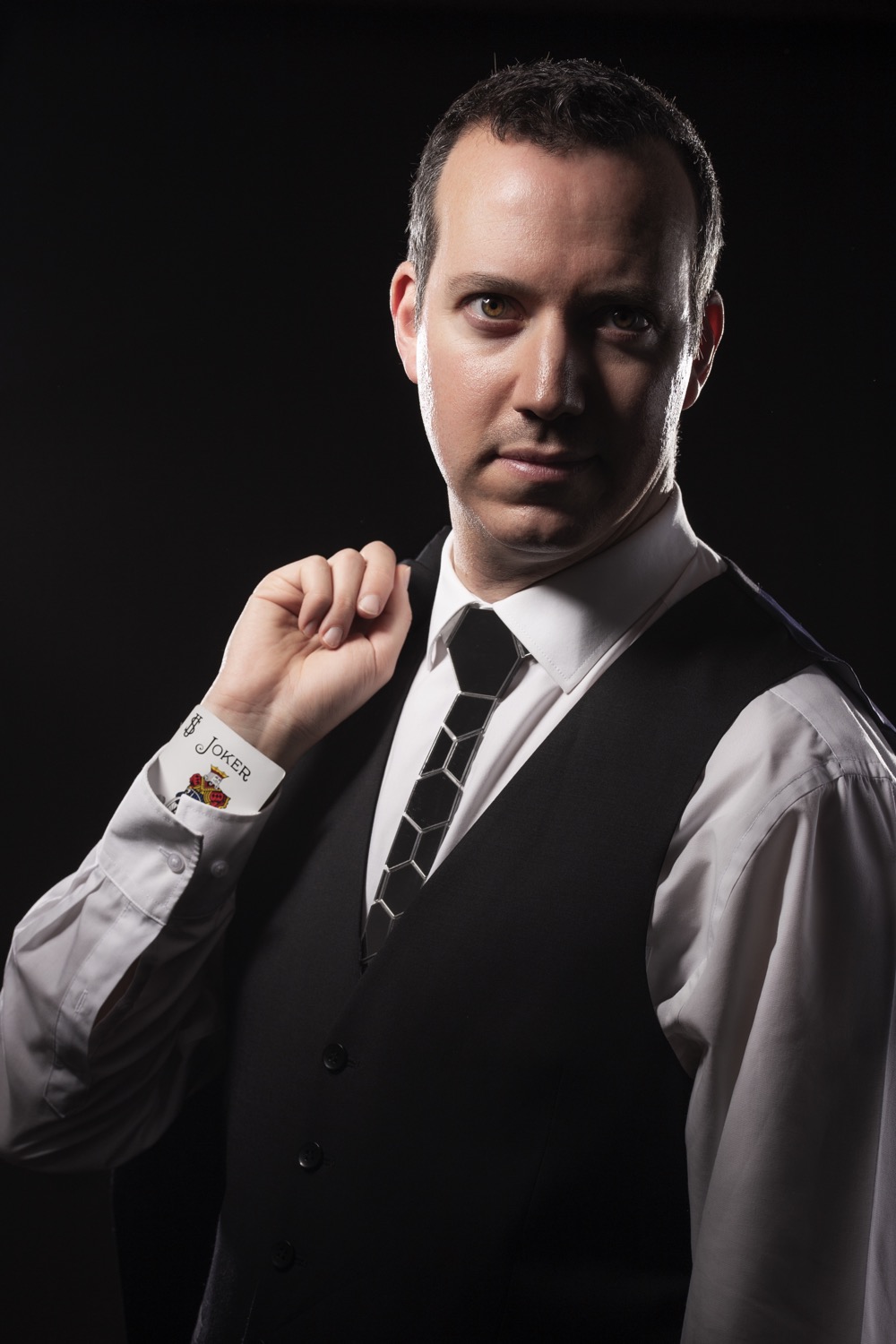
An awards dinner can look impeccable on paper and still feel flat in the room. Guests arrive from different teams, tables settle into their own conversations, and the gaps between courses or categories can quickly lose momentum. Booking a magician for awards dinner entertainment changes that dynamic. Done well, contemporary magic and mind reading gives people an immediate reason to talk, laugh and engage before the first award is announced.
This is not about adding a novelty act to a formal evening. It is about creating the right energy around a programme that matters to your people, your clients and your brand. The standard has to match the occasion: polished, intelligent and completely at ease in a premium room.
Why a magician for an awards dinner earns their place
Awards ceremonies have a particular challenge. They need to recognise achievement while keeping the wider audience involved. Not every guest will win an award, know every finalist, or remain captivated by a long sequence of presentations. Entertainment has a valuable role when it supports the evening rather than competing with it.
Close-up magic works particularly well during a drinks reception, while guests are finding their tables, or between courses. It gives colleagues, clients and guests something genuinely shared to experience without demanding that everyone stops what they are doing. A strong performer can move naturally through the room, bringing together people who may not otherwise have spoken.
Mind reading adds a different kind of impact. It is more conversational, more surprising and often ideal for senior guests who have seen plenty of conventional event entertainment. The best reactions are not manufactured. They happen when people are close enough to question what they have just seen, compare notes and carry that sense of surprise into the rest of the night.
For the organiser, the benefit is equally practical. Guests are engaged during the moments when an awards dinner is most vulnerable to lulls. The room feels more animated before the formal presentation begins, and the event has a memorable identity beyond the menu, venue and trophies.
Choose the format around the flow of the evening
The right format depends on your schedule, audience size and how formal the awards presentation will be. There is no value in forcing one style of performance into an event that needs another.
During the reception
A drinks reception is often the strongest place to begin. Guests are arriving at different times, introductions are being made and the room has not yet found its rhythm. Close-up magic provides an elegant focal point without interrupting conversations. Small groups can experience something remarkable in a matter of minutes, making it especially effective for networking-led awards events or occasions with clients and partners in attendance.
This approach also works well where photography, branded backdrops or welcome drinks are part of the arrival experience. It prevents the reception becoming a holding period before dinner and gives guests a reason to arrive early.
Between courses
Table magic is ideal when dinner service naturally divides the evening into short windows. The performer can work selectively around the room, ensuring every table receives attention while respecting speeches, catering and the event timetable. The key is pace. Effects should feel immediate and personal, never like a prolonged interruption to the meal.
For a large dinner, it is worth being realistic about coverage. One magician cannot perform an extended set for every guest at a 500-person event within a short interval. An experienced professional will advise on the most effective timings, whether that means prioritising key tables, extending performance across the reception and dinner, or creating a stage moment that brings everyone together.
A stage feature before or after the awards
A tailored stage performance can give an awards dinner a defining shared moment. It works especially well before the main presentation, after the final award, or as a high-impact reset between two sections of the programme. Unlike close-up magic, this format reaches the whole room at once and can be shaped around the tone of the event.
The balance matters. A stage set should be engaging enough to lift the room, yet concise enough that the awards remain the centrepiece. For a corporate audience, intelligent mentalism often lands particularly well because it feels sophisticated, interactive and genuinely unpredictable. No clichés, no gimmicks, and no material that risks making guests feel exposed.
What premium awards dinner entertainment looks like
The difference between acceptable entertainment and outstanding entertainment is rarely just the trick. It is judgement.
A premium magician reads the room. They know when to approach a lively table and when to allow a private conversation to continue. They understand that a black-tie audience, a sales team celebration and an industry awards night each require a different level of energy. They can perform for a chief executive, a first-time attendee and a table of clients with the same assurance.
Presentation matters too. At an awards dinner, the entertainer represents the event as much as the organiser does. Smart appearance, clear communication with the venue team and a calm approach to last-minute schedule changes are part of the service. Guests should feel that the performance belongs in the room, not that it has been inserted as an afterthought.
For brand-led events, tailored touches can add real value. A theme, campaign message, company milestone or product story may inform the performance without turning it into a sales pitch. The aim is subtle alignment: entertainment that complements the identity of the evening and gives guests something worth remembering and sharing afterwards.
Questions to ask before you book
Before confirming a magician for an awards dinner, ask how they would structure the performance around your running order. A confident answer should account for guest arrival, dinner service, speeches, award presentations and any live music or production elements. The performer should be interested in what success looks like for your event, not simply the length of the booking.
Ask whether they regularly perform for corporate and high-level private audiences. Awards dinners demand more than technical ability. You need someone comfortable with formal venues, senior stakeholders and a mixed room where some guests may initially be reserved.
It is also sensible to discuss practicalities early. Consider the number of guests, room layout, table plan, stage position, lighting and sound. Close-up performance needs far less production than a stage show, but a professional will still want to understand the environment. If the event includes a busy reception or a large guest list, clarify where the performer will have the greatest impact rather than promising unrealistic coverage.
Finally, look for evidence that reflects the level of your occasion. Strong reviews, professional footage and trusted client experience give far more confidence than generic claims. The right magician should make the booking process feel straightforward and considered from the first conversation.
Avoid the common mistakes
The most common error is booking entertainment without deciding what it needs to achieve. If the purpose is guest interaction, a roaming close-up performer may be the answer. If the room needs a collective highlight, a stage feature may be more effective. If both are needed, combining formats can create a stronger experience across the full evening.
Another mistake is placing entertainment in the wrong slot. A performer cannot overcome the sound of a busy buffet, a delayed main course or a room already focused on a major speech. Build in purposeful windows and make sure the event host, venue and production team know the plan.
It also pays to avoid dated presentation. Awards dinners are often carefully designed, with significant investment in venue, food, production and guest experience. Entertainment should elevate that standard, not undermine it with tired patter or forced participation. A contemporary approach feels natural, intelligent and inclusive.
Make the celebration feel bigger than the trophies
Awards recognise individual and team achievement, but the best dinners make everyone feel part of the occasion. That is where great live entertainment has lasting value. It creates the conversations between colleagues, the surprised reactions across the table and the sense that the evening was designed with real care.
Stephen Barry creates contemporary close-up magic, mind reading and tailored stage performances for events where the details matter. For an awards dinner, the right performance is not simply a break between presentations. It is the moment that brings the room together and gives your guests another reason to remember why they were there.


Comments