

How to Time Reception Magic for Your Event
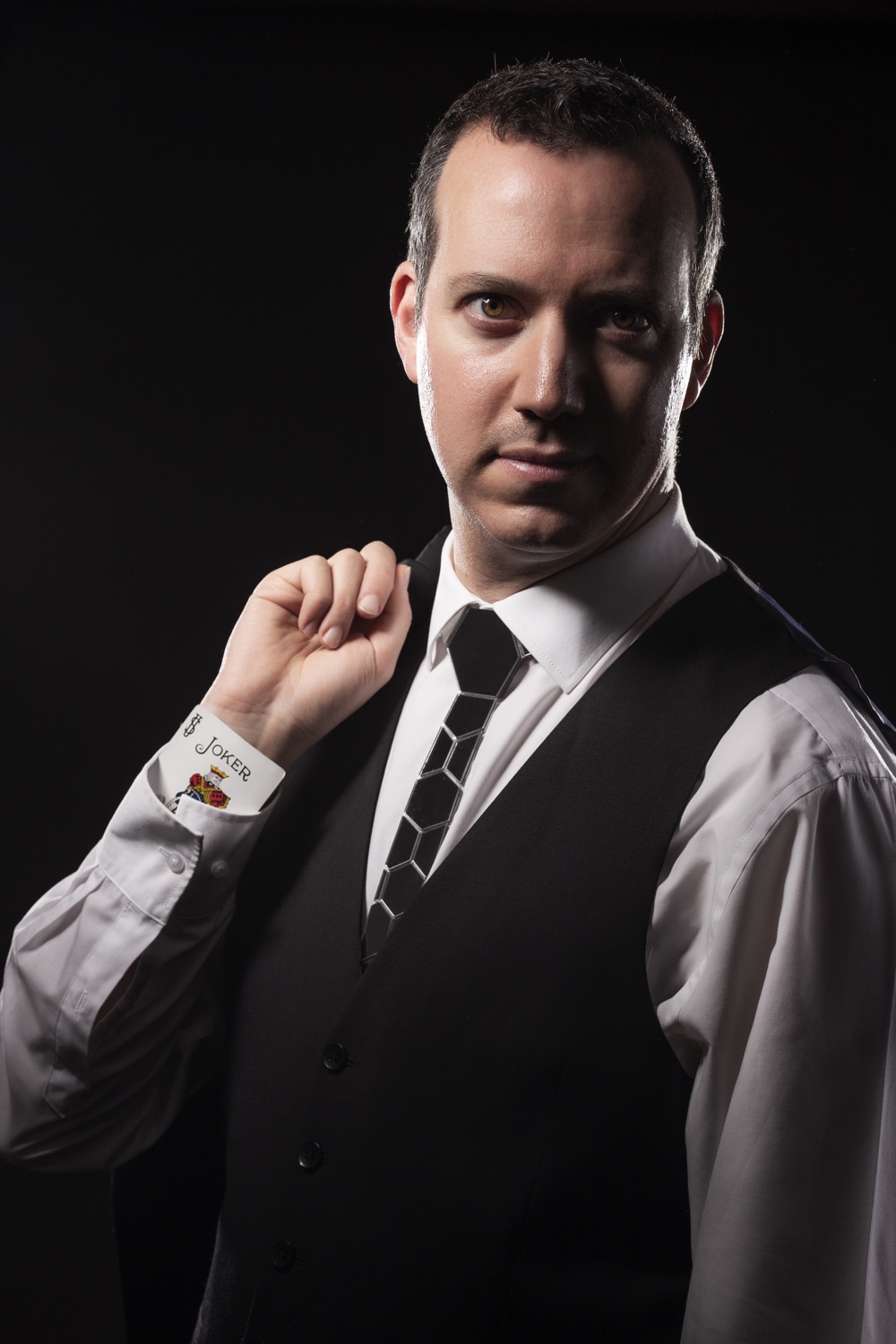
The first twenty minutes of a reception can decide how the room feels for the rest of the event. Guests are arriving from different journeys, looking for familiar faces, collecting drinks and waiting for the next part of the occasion to begin. Knowing how to time reception magic turns that potentially fragmented period into a confident, sociable start - without making the entertainment feel imposed.
For weddings, corporate receptions and luxury private events, the right timing is rarely about filling every available minute. It is about placing intelligent, close-up entertainment where it creates the most value: breaking the ice, sustaining atmosphere and ensuring guests feel considered while plans are moving behind the scenes.
How to Time Reception Magic Around Guest Arrival
Reception magic works best once enough people are in the room for momentum to build, but before small groups have settled into separate conversations. At a wedding, this is commonly 15 to 30 minutes after the ceremony, once guests have a drink in hand and the couple have begun photographs. At a corporate event, it may be shortly after registration, when early arrivals would otherwise be checking their phones or standing politely around the edges of the space.
Starting the moment doors open is not always the right call. Guests may be finding the cloakroom, checking in, greeting hosts or simply orientating themselves. A polished magician reads the room first, approaching groups naturally rather than creating a queue or demanding attention. The aim is to make the reception feel immediately alive, not to announce that entertainment has begun.
This period is especially valuable where guests do not all know one another. Thoughtful close-up magic and contemporary mind reading give people a reason to speak, laugh and share a reaction. The performance becomes a social connector rather than an interruption to conversation.
Build Around the Natural Lulls
The strongest reception entertainment has a clear role in the running order. It should not compete with speeches, formal welcomes, photography calls or a key brand presentation. Instead, it should cover the moments when guests have time but no particular focus.
For a wedding drinks reception, the most effective window is usually 60 to 90 minutes. That allows enough time to engage a meaningful number of groups while the newlyweds are occupied with photographs and the venue prepares the wedding breakfast. If the reception is shorter, a focused 45-minute set can still work well, particularly for a smaller guest list.
Corporate timings depend more heavily on the event objective. An exhibition stand may need short, repeatable performances throughout the day to attract delegates and begin conversations. A networking reception benefits from interaction across the first hour, followed by a brief final push before guests move into dinner or a presentation. A drinks event with no sit-down meal can support longer coverage, provided the performer has a clear plan for circulating through the room.
The principle is simple: put the magic where waiting would otherwise be felt. Guests should remember the atmosphere, not the timetable.
Avoid the moments that already have energy
Not every gap needs filling. If a drinks reception has a live band, a busy champagne tower, a product reveal or an important host speech, those moments already have a focal point. Adding close-up magic at the same time can dilute both experiences.
Likewise, avoid scheduling reception magic during a photographer's group-shot window if most guests are being repeatedly called away. It is frustrating for a group to become absorbed in a performance only to be summoned elsewhere halfway through. Good event planning protects the guest experience by keeping those competing demands separate wherever possible.
Match the Performance to the Room Size
Timing and coverage are inseparable. A performer can spend longer with each group at an intimate celebration of 40 guests than at a 250-person awards dinner. Both can feel personal, but they require different expectations.
For a smaller reception, the benefit of a longer set is depth. The magician can meet most guests, return to groups naturally and create a shared thread across the room. For larger events, the priority is broad, visible impact. Shorter performances for multiple clusters of guests create energy in different parts of the venue and prevent one area from feeling overlooked.
A useful planning question is not, “Can every guest see every trick?” It is, “Will every guest feel that something memorable is happening around them?” Close-up magic is designed for direct interaction, so it should retain that quality rather than becoming a rushed attempt to reach every individual.
Where a guest list is particularly large, consider the full event journey. Reception magic can be complemented by table magic between courses, or by a tailored stage moment later in the evening. This creates several well-placed peaks rather than asking one performance period to carry the entire occasion.
Allow for the Move Into Dinner or the Main Event
The last 10 to 15 minutes of a reception are often the least predictable. Venue staff may be preparing to open dining-room doors. A coordinator may need guests in a particular place. The host may be ready to welcome everyone formally. This is not the point to start a lengthy performance.
A professional magician will close interactions cleanly and remain responsive to the event team. Guests should be ready to move when asked, not held in place because something has reached its final reveal. Clear communication with the planner, venue manager or master of ceremonies avoids any conflict between entertainment and operations.
For weddings, it is often effective to finish reception magic just before guests are invited to take their seats. The room is then left buzzing with conversation as people enter dinner. For corporate events, a short final performance near the entrance to the dining area can maintain that energy during the transition, provided it does not delay the programme.
Give the entertainer the right brief
The best timing decisions are made before the event, not improvised in a crowded room. Share the key timings: guest arrival, speeches, photography, room changes, meal service, presentations and any moments that must remain uninterrupted. Also explain the audience mix.
A wedding may include grandparents, university friends, young children and work colleagues in the same reception. A corporate crowd may include senior leaders, clients, international visitors and new recruits. Contemporary magic should feel inclusive across those groups, with no embarrassing participation and no dated party-performer routines.
It is also worth explaining what success looks like. Is the priority to welcome guests while the couple are photographed? To create conversation between delegates? To reinforce a premium brand environment? To keep a private gathering lively without overpowering it? The answer informs both the performance style and where time should be spent.
Consider Venue Layout, Not Just the Clock
A beautifully timed booking can still lose impact if the room layout is working against it. Guests dispersed across several terraces, a loud bar area and a separate lounge will need a different approach from a single reception suite. Large rooms may require deliberate circulation so that energy travels beyond the entrance area.
Sound levels matter too. Close-up magic does not rely on a microphone, but it does need guests to hear one another and enjoy a moment of focus. If a DJ or band is playing at full volume from the start, it may be better to schedule the magic before music becomes the central entertainment, or in a quieter adjacent space.
At exhibitions and brand activations, positioning is even more important. Short performance moments should draw people towards the stand, not trap them in a bottleneck. The experience must support the sales or engagement team, creating a natural opening for conversation rather than distracting from it.
The Right Duration Depends on the Purpose
There is no single ideal answer to how long reception magic should last. Sixty minutes can be perfect for a concise corporate drinks event. Ninety minutes may be the sweet spot for a wedding reception with 80 to 120 guests. Two hours can make sense for a large-scale party, exhibition or extended arrival period.
More time is not automatically better. If guests move to dinner after an hour, booking two hours of reception-only entertainment may create unnecessary overlap. Equally, trying to cover a large audience in 45 minutes can make the experience feel fleeting. The strongest choice reflects guest numbers, venue flow and the moments that need support.
The standard should be no clichés, no gimmicks, and no entertainment added simply because there is a blank space in the schedule. Reception magic earns its place when it gives guests a shared experience at precisely the point they need one.
A well-timed performance does more than occupy the drinks reception. It gives people a story to tell before dinner has even begun - and that is often where a memorable event starts.


Comments