

Best Magic for Client Evenings That Deliver
A client evening has a narrow window to make its point. Guests arrive from busy working days, scan the room, collect a drink and decide, often within minutes, whether the occasion feels worth their time. The best magic for client evenings changes that first impression. It gives people an immediate reason to engage, without forcing them into a formal activity or interrupting the business purpose of the night.
For premium corporate hospitality, the right entertainment is not a filler between drinks and dinner. It is a considered part of the guest experience: a way to create energy, prompt introductions and leave clients associating your organisation with an occasion that felt confident, generous and exceptionally well run.
Why client evenings need more than background entertainment
A playlist, a beautifully dressed venue and excellent catering all matter. Yet none of them naturally connect two people who have never met. They set the scene, but they do not create the conversation. This is where contemporary close-up magic and mentalism earn their place.
Performed in small groups, sophisticated magic gives guests a shared moment of surprise. Colleagues relax. New contacts have something more interesting to discuss than the traffic or the weather. Senior guests can participate without being placed under a spotlight, while quieter attendees have a natural route into the room.
That distinction matters. A client event should never feel like a sales exercise with canapés, nor should it become an entertainer’s show at the expense of the hosts. The performance must support the atmosphere you are creating: relaxed but purposeful, impressive but not showy, and personal without becoming intrusive.
The best magic for client evenings is close-up and conversational
For most receptions, networking events and hospitality suites, close-up magic is the strongest format. It takes place among guests, in groups of a few people at a time, using direct interaction rather than a stage or fixed seating plan. There is no need to gather everyone at once or pause the room to make the entertainment work.
A skilled magician reads the pace of the evening. At an arrival reception, the focus may be on breaking the ice and bringing early guests into conversation. During drinks before dinner, performances can build excitement across the room. Between courses, brief, high-impact moments can prevent the familiar dip in energy without delaying service.
Mentalism can add a particularly polished dimension for senior audiences. Intelligent demonstrations of influence, intuition and thought reading feel contemporary when presented with restraint. They create the kind of reaction people want to compare afterwards, rather than the kind of novelty they politely endure.
The best experiences feel spontaneous to guests, even when the event delivery behind them has been carefully planned. That is the standard to look for: no clichés, no gimmicks, and no performance style that risks making a valued client uncomfortable.
Choose the format around the event objective
There is no single answer for every client evening. The most effective entertainment depends on what the event needs to achieve, the venue layout and the profile of the guests.
Networking receptions and drinks events
At a networking reception, circulation is essential. Close-up magic works because it forms and refreshes small groups throughout the space. A magician can approach an open group, create a memorable moment and leave people talking once the performance has moved on. This prevents the room separating into existing work cliques.
For exhibitions, launch events and brand activations, the same principle applies but the interaction can be more commercially focused. Carefully tailored moments can draw people towards a stand, hold attention long enough for a meaningful conversation, and give visitors a positive reason to remember the brand afterwards. The entertainment should support the team, not compete with them.
Seated dinners and awards evenings
A dining room needs a different approach. Table magic between courses gives each group a direct experience while preserving the rhythm of the meal. It is especially effective when guests are seated with people they do not know well, or when a formal schedule leaves little time for informal connection.
If the evening includes presentations or awards, a short after-dinner performance may be the better choice. This needs to be tailored to the room, the running order and the desired tone. A room of 40 senior clients may suit an intimate, intelligent mentalism set. A larger celebration may benefit from a more visual performance with clear audience participation. In either case, the material should complement the host’s message and never dilute it.
Private client hospitality
For luxury private dining, sporting hospitality or discreet celebrations, understatement is often the mark of quality. Guests may be used to excellent venues and attentive service. They are less likely to respond well to loud, formulaic entertainment.
In these settings, refined close-up magic creates a sense of access and occasion. The performance should feel exclusive, social and completely at ease in the room. It is not about drawing attention to the magician. It is about giving every guest a moment that feels impossible and personal.
What premium clients notice
The quality of a magician is not measured only by the reaction to a trick. For event planners and hosts, the wider professional detail matters just as much.
First, look for someone who understands timing. An experienced performer knows when not to approach: during a serious conversation, while food is being served, when a key guest has just arrived, or when a photographer needs a clear moment. This situational awareness protects the event rather than imposing on it.
Second, consider presentation. For client entertainment, appearance, language and discretion must align with the venue and guest list. A black-tie dinner, a creative brand launch and a relaxed summer reception can all require a different energy. The performer should be able to adapt without losing the polished identity that reassures premium audiences.
Third, ask how the entertainment can be tailored. Tailoring does not mean forcing a logo onto every prop or turning every routine into a sales message. Often the most effective approach is more subtle: understanding the client’s values, the reason people have been invited, the key people in the room and the feeling the host wants guests to take away.
Finally, assess evidence. Strong event entertainment is best judged through credible reviews, performance footage and experience with comparable audiences. When an evening matters to your reputation, choosing on price alone is a false economy. The lowest quote can become the most expensive decision if the performance feels dated, awkward or out of place.
Avoid entertainment that makes guests feel managed
There is a fine line between engaging guests and making them feel managed. Forced participation, humour at someone’s expense and relentless interruption can quickly undermine an otherwise excellent evening.
The strongest close-up performers give guests choice. They invite rather than demand. They understand that the most influential person in the room may prefer to watch, while another guest will be delighted to take part. Both should leave with a positive experience.
This is also why a consultation before the event matters. A professional should ask about the guest mix, venue access, timings, dress code, other suppliers and any sensitivities around the occasion. These details are not administrative extras. They shape a performance that fits naturally into the event rather than appearing bolted on at the last minute.
Build entertainment into the running order
Magic works best when it is planned early enough to be useful. Tell the venue and catering team when performance is likely to take place, particularly if table magic is part of the schedule. Let the host team know how the entertainer will circulate. If there are VIPs, key clients or people who need special consideration, share that information in advance.
For larger events, it can also help to decide where the first performances should happen. Starting near the entrance can warm up an early room. Beginning among a group of influential but relaxed guests can create visible momentum. The goal is not to choreograph every reaction. It is to give the evening a confident opening and allow the energy to spread.
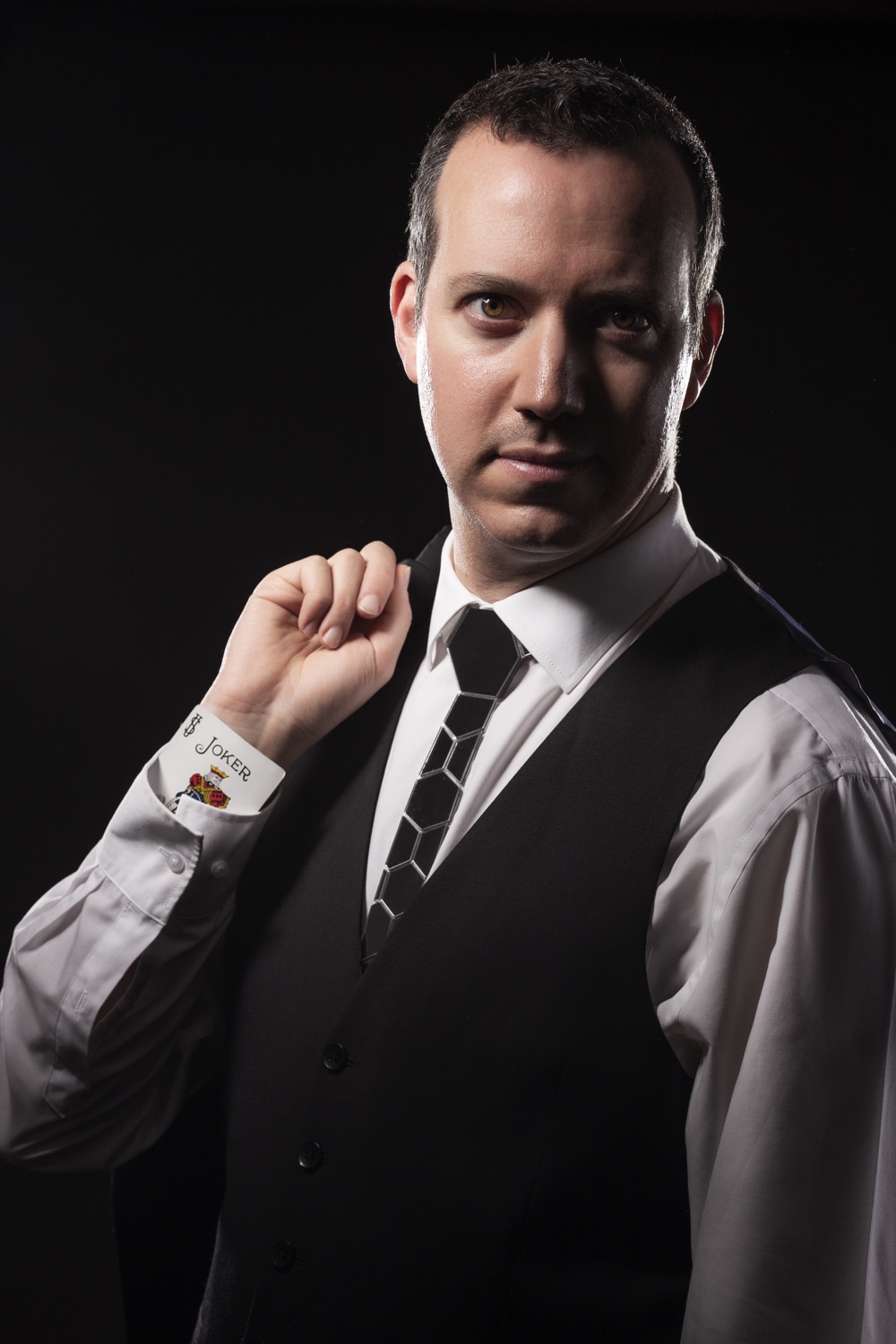
Stephen Barry approaches corporate entertainment as part of the event strategy, combining contemporary magic and mind reading with the judgement required for high-level client occasions. That is the difference between hiring an act and creating an experience guests genuinely want to talk about.
When choosing entertainment for your next client evening, focus on the conversations you want to create. The right magic will not simply fill a gap in the schedule. It will make people feel welcomed, included and pleased they accepted the invitation.


Comments