

Are Magicians Suitable for Conferences? The Right Fit
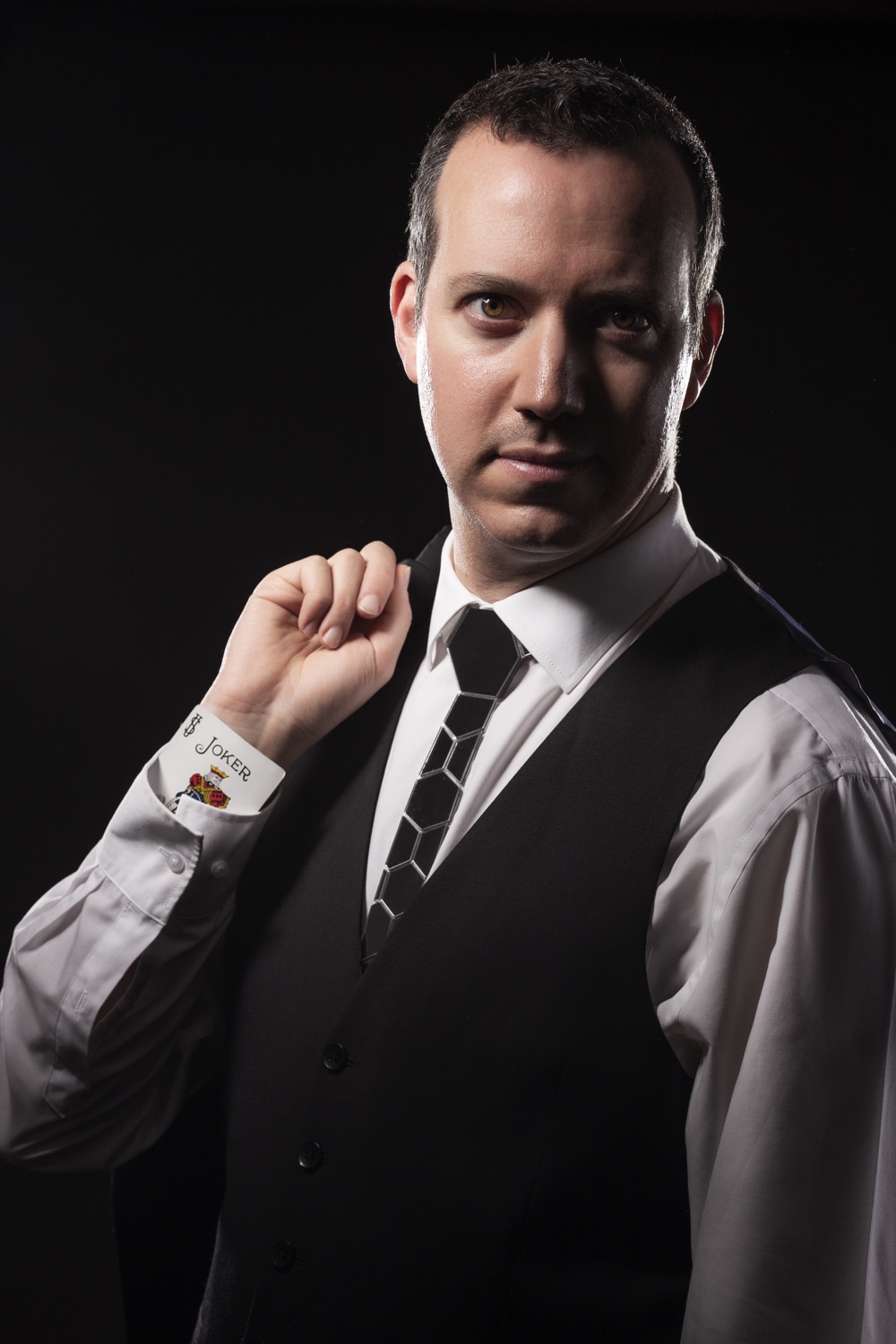
A conference can have an exceptional speaker line-up, a striking venue and a polished agenda, yet still feel strangely flat between sessions. Delegates check emails, conversations remain within familiar groups and the energy in the room drops. So, are magicians suitable for conferences? Yes - provided the performance is intelligent, well timed and designed around the purpose of the event rather than treated as a novelty.
The right magician does not compete with the conference content. They create the moments that make people talk, connect and remember why they were there. For event planners and corporate hosts, that means entertainment with a commercial role: improving the guest experience while supporting the atmosphere, message and standard of the occasion.
Why magicians are suitable for conferences
Conferences bring together people who may not know one another, may have travelled a considerable distance and may be expected to engage with a demanding programme. A contemporary close-up magician or mentalist gives those people an immediate shared experience. It is a natural conversation starter, without the forced feeling of an icebreaker activity.
This matters most during the unstructured parts of the day. At registration, over coffee, during a drinks reception or while guests are waiting for dinner, a skilled performer can approach small groups with confidence and discretion. Within minutes, strangers are reacting together. The room becomes more sociable because people have something genuinely interesting to discuss.
There is also a practical benefit for organisers. Rather than trying to fill every gap with more content, entertainment can maintain momentum without adding pressure to the schedule. It gives delegates a reason to remain in the networking space, rather than heading back to their rooms or becoming absorbed in their mobile phones.
The strongest conference magic feels modern, conversational and surprising. No clichés, no gimmicks, and no tired routines that undermine the quality of a premium event. The experience should be as credible in a boardroom, gallery or luxury hotel as it is on a busy exhibition floor.
The conference moments where magic works best
Registration and arrival
First impressions shape the mood of the entire day. Registration often involves queues, staggered arrivals and a degree of awkwardness as attendees wait for colleagues or scan the room for familiar faces. Close-up magic gives this period a sense of occasion without disrupting the process.
A performer can engage guests in brief, high-impact moments while they wait, then move on smoothly as they collect badges or take refreshments. It signals that the event has been considered beyond the agenda itself.
Networking breaks and receptions
This is where a magician can make the clearest difference. Networking is often listed as a headline benefit of a conference, but it does not happen simply because drinks have been served. People need a reason to begin talking.
Magic creates small, welcoming circles of attention. A guest watching a remarkable demonstration is not required to make a formal introduction before joining in. Afterward, the conversation is already underway. For an audience that includes clients, prospects, senior leaders and partners, that ease is valuable.
Gala dinners and evening events
An evening dinner can be elegant without being particularly engaging. Table magic between courses keeps the room lively while respecting the occasion and the hospitality programme. It can also work as a bridge between dinner and speeches, or before entertainment begins.
For larger audiences, a tailored stage performance or mentalism feature can provide a shared focal point. The distinction is important: close-up magic creates personal moments at individual tables, while a stage performance brings the full room together. The right choice depends on guest numbers, room layout and the role of the evening within the wider conference.
Exhibitions and sponsor areas
At exhibitions, attention is the most competitive currency. A magician working with an exhibitor can draw visitors towards a stand and give the team a more natural opening for conversation. The performance must be relevant, concise and carefully managed so it supports the sales team rather than becoming a spectacle with no follow-up.
When tailored thoughtfully, a product message, campaign theme or brand value can be incorporated into the experience. This should feel clever, not bolted on. Delegates are quick to recognise a forced sales pitch, particularly in a premium B2B environment.
When a magician is not the right choice
Magic is not automatically suitable for every conference. If the agenda has no genuine social time, delegates are moving continuously between tightly controlled sessions, or the venue is too loud for close interaction, the format may need reconsidering. Booking entertainment simply because there is a spare corner in the schedule rarely produces the desired result.
There is also a question of audience fit. A conventional, loud or overly familiar style can feel out of place at a senior leadership summit, investor event or luxury brand gathering. Equally, a performer who demands attention at the wrong moment can interrupt meaningful conversations and dilute the event’s authority.
That is why the selection process matters more than the category. The issue is not whether to book a magician. It is whether the entertainer understands corporate audiences, can read a room and has the judgement to adapt their delivery. Professionalism includes knowing when not to perform.
How to choose conference entertainment that reflects well on your brand
Start with the outcome you want. If your priority is better networking, roaming close-up magic during arrivals and breaks is usually the strongest option. If you need to unite a large audience after dinner, a stage or cabaret-style mentalism performance may be more appropriate. If the conference includes exhibitors, a stand-focused activation may offer the best commercial value.
Then consider the audience. Are delegates internal teams, prospective clients, franchisees, industry peers or senior executives? A room of 40 directors needs a different approach from a 500-person sales conference. The performance should be tailored in pace, tone and level of interaction, with no risk of embarrassing guests or making anyone feel placed on the spot.
Venue logistics are equally significant. Discuss the running order, room changes, sound levels, access, table plan and key event messages before the day. An experienced performer will ask these questions because the quality of the entertainment is inseparable from the quality of its placement.
Finally, look beyond a showreel. Professional conference entertainment requires evidence of reliability, polished presentation and experience with discerning clients. Reviews, event imagery and direct consultation are useful indicators, but the most revealing question is simple: does this person understand what success looks like for your event?
Make the performance part of the event, not an interruption
The most effective conference entertainment has a purpose. It may welcome guests, bring energy to a quiet interval, help a sponsor start conversations or reward delegates after a full day of content. It should never feel like a random act inserted into the programme.
A tailored performance can also reinforce the event’s identity without becoming corporate theatre. Subtle references to a campaign, company milestone or conference theme can make the experience more specific and more memorable. The restraint matters. Guests should leave talking about an extraordinary moment, not about having been given a branded script.
For major events, the entertainer should work as an extension of the production team: arriving prepared, presenting impeccably and responding calmly if timings shift. That quiet assurance is often what separates a pleasant diversion from world-class event entertainment.
If your conference needs delegates to engage beyond the meeting room, magic can be an exceptionally effective choice. The standard to aim for is not simply applause. It is a room full of people who are still talking, connecting and associating that energy with the event you created.


Comments