.png)

Entertainment for Networking Events That Connects
A networking room can look busy while achieving very little. Guests clutch a drink, scan name badges and gravitate towards colleagues they already know. The right entertainment for networking events changes that pattern. It gives people a natural reason to approach one another, share a reaction and begin a conversation without the forced formality of a scripted icebreaker.
For event planners, brand teams and hosts, this is the difference between simply filling a venue and creating an occasion with commercial value. Intelligent close-up magic and mind reading do not interrupt networking. Delivered well, they make it easier.
Why entertainment for networking events earns its place
A strong networking event is built around movement, introductions and memorable interactions. Yet those things are difficult to manufacture. A guest may be keen to meet new contacts but unsure how to begin; a senior attendee may have limited time and little patience for anything that feels contrived.
Contemporary interactive entertainment creates a shared moment at exactly the point where conversation can otherwise stall. When a small group witnesses something impossible at close quarters, the usual hierarchy of the room softens. People react together, compare what they saw and remain talking after the performance has moved on. The entertainment becomes a social catalyst, rather than a programme item guests must endure.
That distinction matters. A generic act can pull focus from the purpose of the evening. A polished magician or mentalist works within the atmosphere of the event, reading the room and approaching groups with discretion. There is no stagey interruption, no outdated patter and no pressure on reluctant guests. The result feels exclusive, intelligent and appropriately confident.
For brands, there is another advantage: association. Every supplier in the room contributes to how guests perceive the host. Entertainment that is sharp, modern and tailored reinforces a premium brand environment. Entertainment that feels dated can do the opposite very quickly.
Choose the format around the room, not the novelty
There is no single format that suits every networking occasion. Guest numbers, venue layout, audience seniority and the event objective should shape the decision.
Close-up magic for natural introductions
Close-up magic is often the strongest choice for drinks receptions, client hospitality, awards evenings and informal networking sessions. Performed among small groups, it is personal without being intrusive. Guests do not need to gather in one place or stop their conversations for long periods. The performer moves intelligently through the room, bringing groups together and ensuring the atmosphere remains lively from arrival through to the main event.
This format is particularly effective when attendees arrive at staggered times. Instead of an empty-feeling first half hour, early arrivals encounter something immediately engaging. It also suits mixed audiences, where clients, colleagues, prospects and partners need an experience that feels inclusive rather than targeted at one demographic.
Mentalism for a more elevated atmosphere
Mind reading brings a different energy. It can feel more sophisticated, more conversational and especially suited to executive audiences or luxury hospitality. The best mentalism is not about exaggerated claims or theatrical spectacle. It is about impossible moments that unfold in guests' hands and minds, creating the kind of discussion people carry to the next table.
A mentalist can also work with subtle personalisation. A company message, event theme or product idea may be incorporated where it serves the moment. The test is simple: if the branding feels bolted on, it weakens the experience. If it feels integral and surprising, it creates a powerful recall point.
A short feature performance when the room needs focus
Some events need a clear shared high point. Perhaps guests have completed an exhibition day, the host wants to welcome everyone before dinner, or a conference agenda needs an energising transition. A concise stage or cabaret performance can provide that focus.
The trade-off is timing. A feature set asks the room to stop networking temporarily, so it works best when placed with purpose rather than inserted as filler. Keep it sharp, relevant and proportionate to the agenda. In many cases, a short performance followed by close-up interaction offers the strongest balance of collective impact and personal connection.
Build entertainment into the event journey
The most effective bookings begin with a practical question: what should guests be doing before, during and after the entertainment? This prevents a good performance being placed at the wrong moment.
At an exhibition stand, the objective may be attracting attention and giving the sales team a credible opening line. In that setting, quick, visual and branded moments can draw visitors in without creating an unmanageable crowd. The performer should support the stand team, not become a barrier between them and prospective clients.
At a corporate drinks reception, the objective is usually warmer introductions and longer dwell time. Roaming close-up magic can work across the whole arrival period, avoiding a flat opening and ensuring no corner of the room feels overlooked.
For a leadership dinner or private client event, discretion is often more valuable than volume. A performer who understands pace can engage a table, leave guests wanting more and allow the conversation to return naturally to business. Premium entertainment is not measured by how loudly it announces itself. It is measured by the quality of response it creates.
What sophisticated audiences expect
Corporate and luxury-event guests are not looking to be treated like an audience at a children's party. They expect confidence, taste and professionalism from every person representing the host.
That means presentation matters as much as material. The performer should be well briefed, appropriately dressed and able to speak comfortably with people at every level of the organisation. They should understand when to approach, when to leave a group alone and how to avoid disrupting meaningful conversations.
It also means avoiding clichés. Props, jokes and performance styles that might work at a casual party can feel out of place in a high-value client environment. Modern magic should feel impossible and refined, not like a familiar routine guests have seen before.
There is a useful principle here: entertainment should raise the perceived standard of the event. If it would not sit comfortably beside the venue, catering, guest list and brand identity, it is not the right choice.
Brief your entertainer properly
Even the most experienced performer benefits from a concise, useful brief. Share the purpose of the event, who will be in the room, key timings, dress code and any sensitivities around the guest list. Explain whether the priority is lead generation, team connection, client appreciation or simply making a reception feel exceptional.
It is also helpful to identify the people who matter most. This is not about treating other guests as secondary. It allows the performer to make sure hosts, VIPs, new prospects or key partners are not missed during a busy evening.
Personalisation should be considered carefully. A bespoke reveal can create a memorable link to a campaign, product launch or company milestone, but only when it enhances the entertainment itself. A trusted professional will advise where customisation adds value and where subtlety is the better choice.
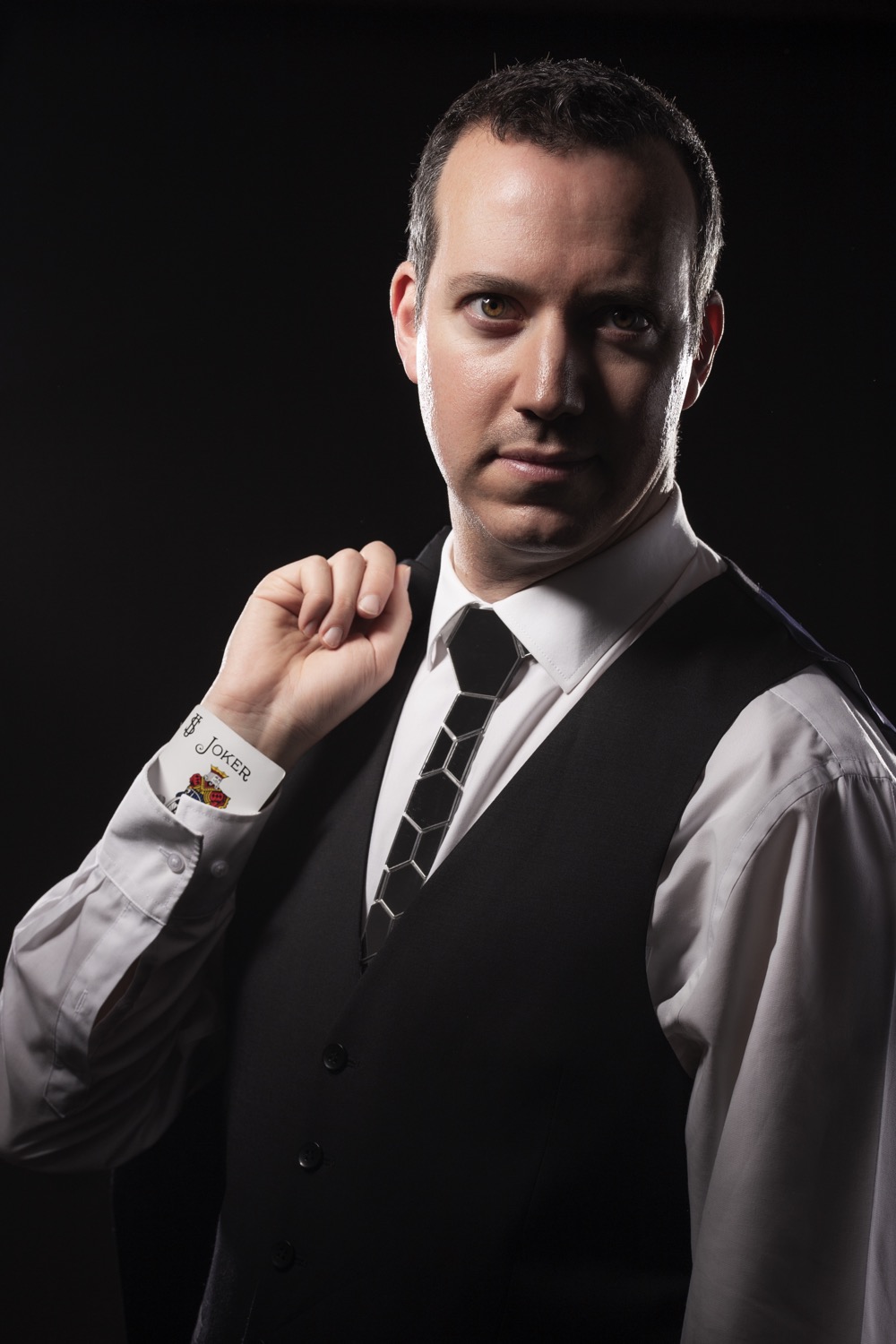
Stephen Barry creates contemporary close-up magic, mind reading and tailored performances around exactly these considerations - no clichés, no gimmicks, just direct audience engagement designed to elevate the occasion.
Measure the outcome beyond applause
Networking entertainment is not only successful when guests applaud. Look for the practical signals: Are people lingering rather than leaving early? Are unfamiliar guests speaking in mixed groups? Is the room visibly animated? Do colleagues have a shared reference point to revisit later?
For exhibitions, consider whether the stand attracts more qualified conversations and whether staff have a smoother route into them. For client events, listen for the comments that follow. The best feedback is often not "the magic was good" but "people were still talking about it afterwards".
Budget should be judged in that context. A cheaper act that feels mismatched can be expensive in reputational terms. A premium performer who strengthens guest experience, supports introductions and reflects the quality of the host can contribute far more than a line item on an itinerary suggests.
When guests have a reason to stop, smile and speak to someone new, networking becomes less of a duty and more of a genuinely valuable occasion. Give the room that reason, and the conversations can do the rest.


Comments