.png)

A Virtual Magician for Events That Engages
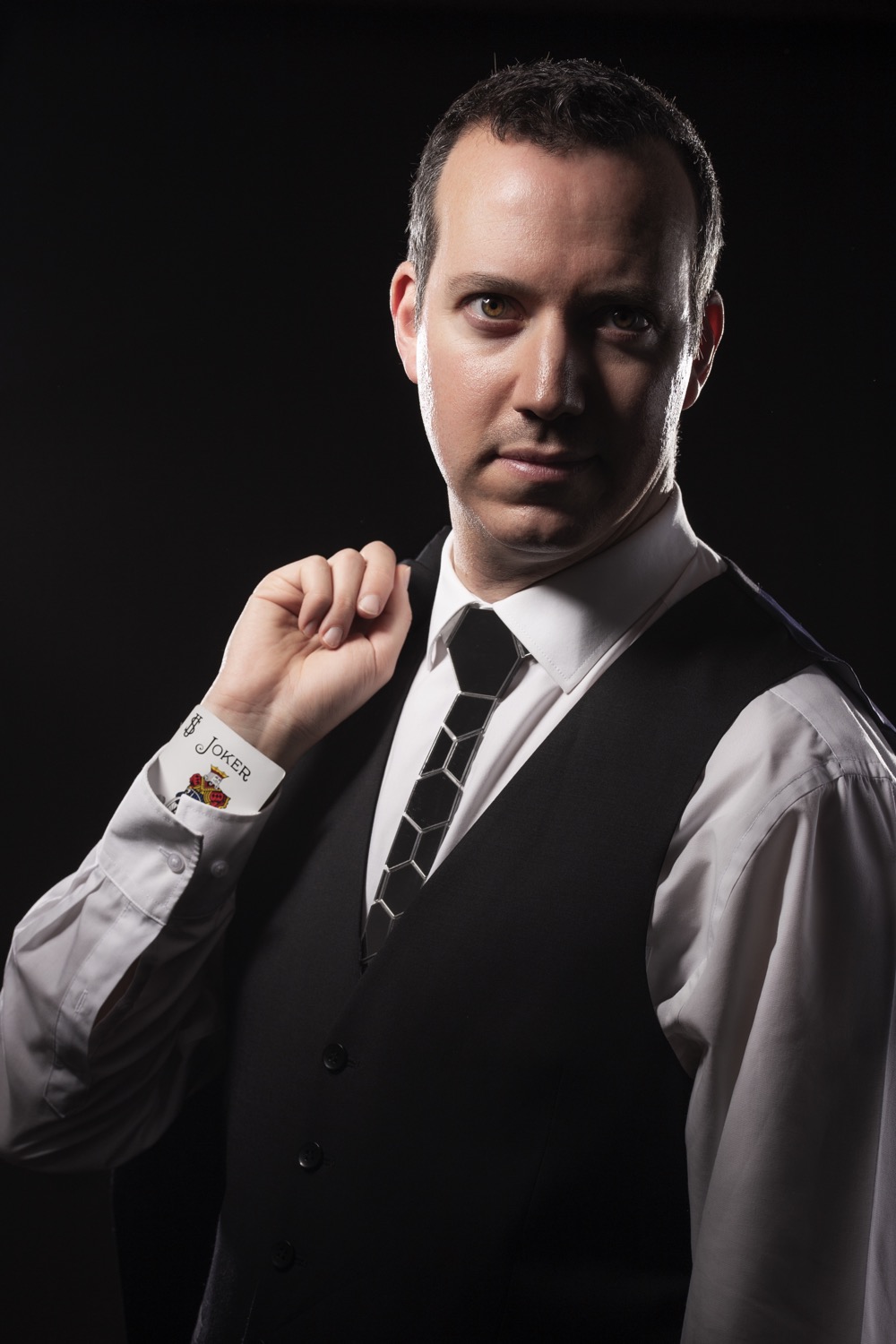
A virtual magician for events changes the point at which an online audience usually begins to drift. Instead of another grid of muted faces, guests are invited to make choices, influence outcomes and share the surprise in real time. For the organiser, that means an event with energy, conversation and a reason for people to stay present.
Virtual entertainment is not a substitute for filling a room. It is its own format, and it works best when it is designed for the screen rather than adapted reluctantly from a live stage. Done properly, contemporary magic and mind reading can turn a remote gathering into a genuinely shared occasion - polished, intelligent and free from the awkwardness of forced participation.
Why virtual events need a live moment
Most online events are built around information. A presentation, product update, awards announcement or leadership address may be essential, but attention is not guaranteed simply because guests have joined the call. People are managing notifications, emails and domestic distractions just beyond the camera.
A well-placed live performance gives the agenda a change of pace. It creates anticipation before a key session, brings people back together after a break or provides a memorable finish once the formal content is complete. The value is not just laughter or surprise. It is the sense that everyone witnessed the same impossible moment at the same time.
That shared reaction matters particularly for dispersed teams and client audiences. It gives people something natural to talk about in the chat, at a follow-up meeting or after the event. Unlike a pre-recorded video, live virtual magic carries risk, responsiveness and personality. Guests know it is happening for them.
What a virtual magician for events can deliver
The most effective virtual performance combines visual magic, audience-led moments and mentalism that works through the screen. Guests might make decisions from home, use an object close to hand or become part of an outcome that could not reasonably have been predicted. The experience should feel direct, even when the audience is spread across the UK or internationally.
For a corporate event, a concise interactive show can work as a standalone headline segment. It may also be used between speakers, during a virtual drinks reception or as an exclusive thank-you experience for clients and senior teams. The right choice depends on the event's purpose, the platform and how much attention you want the entertainment to command.
For weddings and private celebrations, virtual magic can bring together guests who cannot travel, whether they are joining from another city or another country. It is particularly effective for a remote hen or stag celebration, a milestone birthday, or a gathering where the host wants more than a standard video call. The aim is not to recreate a crowded party online. It is to give every guest a front-row role in something distinctive.
The difference between a video call and an experience
Not every entertainer who appears on a video platform is suited to virtual performance. A camera changes timing, framing and audience interaction. Material that works beautifully around a dinner table may lose impact if it relies on guests seeing tiny details or handling props in person.
A premium virtual show is created with the viewing experience in mind. The visual focus is clear. Instructions are concise. Guests are invited in without being put on the spot, and the performer can respond to the room's mood rather than delivering a fixed routine regardless of what is happening on screen.
This is where contemporary mentalism has particular value. It can involve the whole group without asking every attendee to perform for the camera. A selected guest may take the lead, while everyone else follows the choices and reacts together. That balance keeps the event inclusive, without creating the familiar anxiety of being unexpectedly called upon in front of colleagues.
No clichés, no gimmicks, and no prolonged technical explanations. The audience should simply enjoy the effect and the conversation it creates.
Where virtual entertainment earns its place
The strongest bookings are purposeful. Entertainment should support the event rather than appear as an unrelated item dropped into the running order.
At a sales kick-off, an interactive performance can lift the room before a keynote or reinforce the feeling of momentum at the end of the day. For a client event, it offers a sophisticated way to host people without asking them to sit through another presentation. In an awards ceremony, it can cover a transition, reset attention or make the closing section feel more celebratory.
Virtual exhibitions and online networking events present a different opportunity. Visitors have a low threshold for leaving, especially when several sessions compete for their attention. Short, high-impact appearances can create a reason to enter a virtual stand, start a conversation with the team or return at a scheduled time. Where appropriate, the presentation can be tailored around a campaign message, product theme or brand value without turning the entertainment into a sales pitch.
Internal events also benefit. Hybrid organisations often need practical ways to make remote colleagues feel included rather than peripheral. A live shared experience gives people a break from business content while still respecting their time. It is a small investment that can make a carefully planned people event feel considered rather than transactional.
Getting the format right
A virtual show does not need to be long to make an impact. In many business settings, 20 to 40 minutes is the most effective window. It is enough time to build connection and deliver memorable moments, while keeping the pace sharp. A longer feature performance can be ideal for a dedicated social occasion, but it depends on the audience and the event schedule.
The platform matters too. Zoom, Microsoft Teams and similar services all allow interaction, but their settings and guest experience differ. An experienced performer will ask how many people are attending, whether cameras and chat will be available, who is hosting, and where the entertainment sits in the agenda. Those details determine how the performance is structured.
For large groups, the focus may be a central interactive show with selected participants. For smaller groups, the experience can feel more conversational and personal. Neither is automatically better. A board-level client gathering needs discretion and polish; a company Christmas celebration may benefit from a little more playful energy. The performance should meet the room that is actually there.
Brand alignment without the hard sell
Corporate organisers rightly protect their brand environment. A performer represents the event as soon as guests log on, so tone matters as much as talent. Dated jokes, intrusive audience handling and generic patter can undermine even a beautifully produced event.
The better approach is light-touch tailoring. A company name, campaign theme or strategic message can be woven into the experience where it adds genuine value. A branded reveal may work well for a product launch; it may be entirely unnecessary for an executive thank-you event. The test is simple: if the branding makes the moment more meaningful, it belongs. If it feels bolted on, it does not.
That judgement is especially valuable for luxury brands, professional services firms and high-level client audiences. Guests should leave remembering an exceptional experience, not a forced attempt to make a trick carry a marketing message.
Questions to settle before booking
Before confirming a virtual magician, establish the audience size, event platform, date, running order and desired outcome. Be clear about whether the performance is intended to energise a team, reward clients, encourage networking or provide a memorable social moment. This gives the entertainer the information needed to recommend a suitable format rather than offering a one-size-fits-all show.
It is also worth considering the practical environment. Will guests be watching individually from home, gathered in regional offices, or joining from multiple time zones? Is the internet connection at the host location reliable? Will there be a producer managing the platform? These are straightforward questions, but they separate a smooth professional booking from an event that relies on luck.
Ask to see proof of live performance quality, not just promotional claims. Reviews, event footage and a direct conversation provide a far clearer sense of style, confidence and suitability. For significant occasions, the reassurance of dealing directly with the performer is valuable: expectations can be discussed properly, and the delivery can be shaped around the event from the outset.
A virtual event does not have to feel like a compromise. With the right moment in the programme and a performer who understands audience engagement, the screen becomes the place where the room comes alive. If your guests need a reason to look up, react and remember the occasion, Stephen Barry can help make that moment count.


Comments