.png)

What a Corporate Magician Adds to Your Event
The first twenty minutes of a corporate event often determine its atmosphere. Guests arrive from different teams, clients scan the room for familiar faces, and even a beautifully designed venue can feel cautious before conversation takes hold. A corporate magician changes that dynamic quickly, creating intelligent, shared moments that give people a reason to engage.
This is not about filling a gap in the schedule with a novelty act. At the right event, contemporary magic and mind reading become a social catalyst: a polished way to bring strangers together, reward guests for attending and make a brand experience feel considered rather than routine.
Why a corporate magician earns their place
Corporate entertainment should do more than make noise. It should support the purpose of the occasion, whether that is strengthening client relationships, increasing exhibition stand traffic, recognising employees or setting a premium tone for a drinks reception.
Close-up magic is particularly effective because it happens in the room, rather than at a distance. Small groups experience something impossible just inches away, react together and then carry that energy into their next conversation. The performance is personal without demanding that every guest becomes the centre of attention.
For event planners, that matters. A good performer does not pull focus from the host, sales team or guest speaker. They read the room, approach groups naturally and understand when to move on. The result is a livelier event that still feels organised, professional and appropriate to the audience.
The difference between average entertainment and a premium experience is rarely the trick itself. It is the judgement behind it: knowing how to engage a reserved senior guest, a busy prospect or a mixed group of colleagues without becoming intrusive. No clichés, no gimmicks, and no awkward attempts to force participation.
Where corporate magic has the greatest impact
A corporate magician is most valuable where guests have time to mingle but may not yet have a reason to do so. Drinks receptions, gala dinners, awards evenings and Christmas parties are obvious examples, but the format can be just as effective at leadership meetings, product launches and private hospitality occasions.
At a networking event, close-up magic gives attendees an easy opening line. Instead of the familiar exchange of names, job titles and polite small talk, guests share an unexpected moment. That reaction lowers barriers and makes the room feel more connected.
At an exhibition, the goal is different. Stand teams need a credible reason to stop passing visitors without relying on a hard sell. Short, high-impact performances can attract attention, hold it long enough for a conversation to begin and leave visitors with a clear positive association with the brand. The strongest exhibition magic is designed around the stand environment, footfall and sales objective, not performed as a separate attraction.
For a dinner or awards event, table magic can maintain momentum between courses, during room turns or while guests wait for the main programme to begin. This is often the point at which an evening either gains energy or drifts. Thoughtful performance keeps the atmosphere elevated without interrupting service, speeches or the reason everyone is there.
Stage magic and mentalism suit moments when the entire room needs to share one experience. A tailored after-dinner performance can provide a memorable centrepiece, particularly where the audience includes clients, senior leadership or high-performing teams. It must be sharp, modern and paced for a corporate room. A set that is too long, too theatrical or too familiar can undermine an otherwise exceptional evening.
Choosing the right corporate magician for your audience
Not every magician is a fit for every company event. A performer may be technically accomplished yet wrong for a luxury launch, board-level dinner or brand-sensitive exhibition. The brief should start with the audience and outcome, not simply the question of whether close-up or stage magic is required.
Consider the guest profile. Are they existing clients, prospective customers, international delegates, employees or a mixture of all four? A room of senior professionals may appreciate intelligent mind reading and elegant close-up performance, while a high-energy team celebration might call for a more playful approach. Neither is inherently better. The important point is that the entertainment reflects the occasion.
The venue and schedule also matter. A packed reception at a London hotel requires a different approach from a relaxed country-house dinner or a busy exhibition hall. A professional will ask about guest numbers, timings, room layout, access, production requirements and the moments when guests are likely to need engagement most.
Video and testimonials are useful indicators, but look beyond reaction shots. Notice the performer’s manner, dress, presence and the type of people shown engaging with them. Do they look comfortable in an environment similar to yours? Does the performance feel current? Can you imagine that person representing your business in front of your most valued guests?
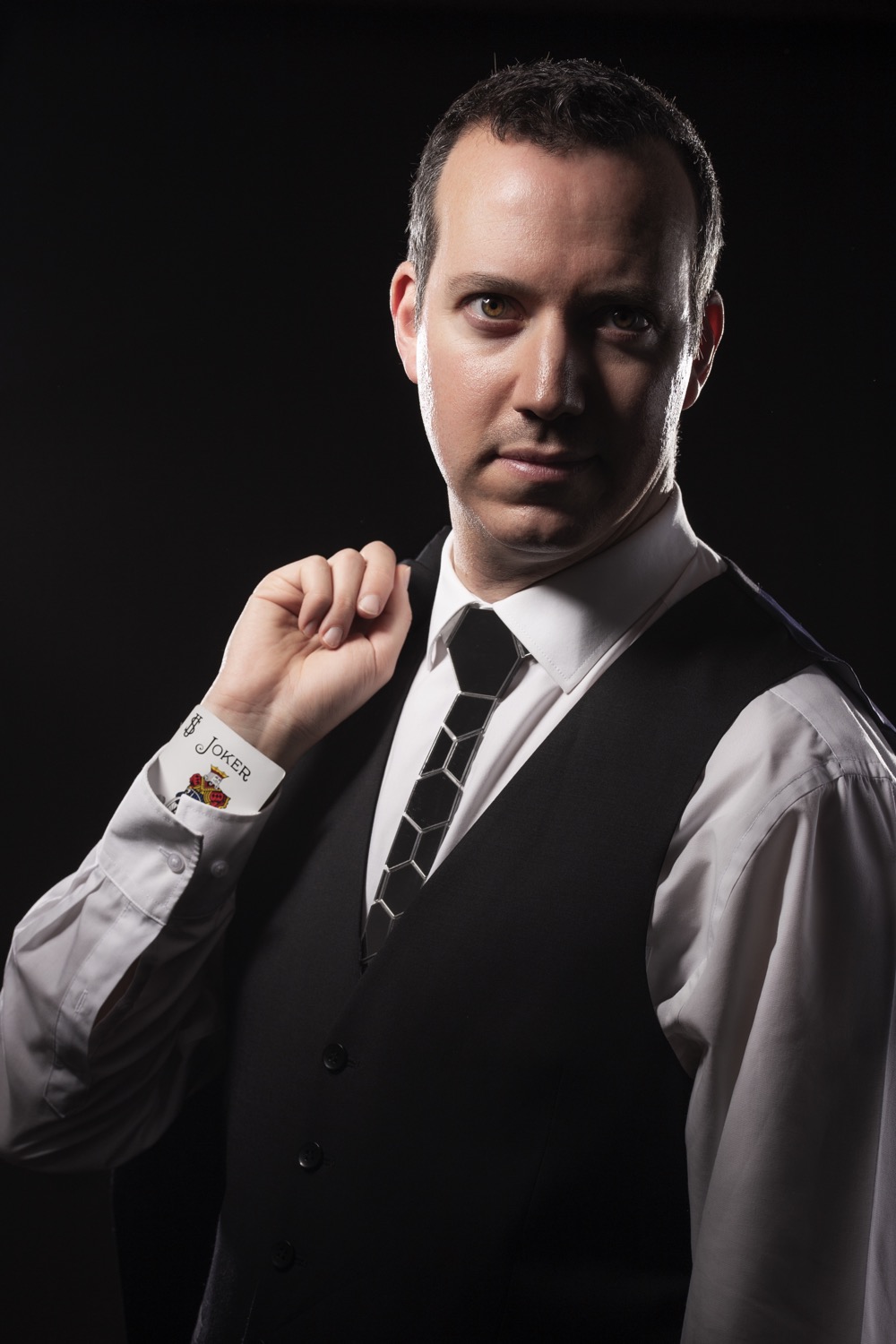
Experience with high-level clients offers reassurance, particularly when your event carries reputational weight. Stephen Barry is trusted by celebrities, global brands and discerning private clients because the focus remains on the audience experience: polished delivery, direct engagement and entertainment that belongs in the room.
Tailoring the performance to the event
The word ‘tailored’ is used freely in events, but genuine tailoring means more than adding a logo to a playing card. It means understanding what success looks like for the host and shaping the performance around it.
For a product launch, that may involve building anticipation before the reveal and selecting material that reflects innovation, precision or creativity. At an exhibition, it may mean creating concise interactions that allow the team to continue meaningful conversations. For a company celebration, it could mean recognising the atmosphere the organiser wants to create: sophisticated, warm, high-energy or quietly exclusive.
Brand integration needs restraint. When it is forced, guests notice. When it is handled intelligently, a message, theme or product feature can become part of an experience that people genuinely want to talk about. The entertainment should make the brand feel more distinctive, not turn every interaction into a sales pitch.
A proper consultation is where this work begins. It should cover the event objective, guests, venue, agenda and any sensitivities around tone or participation. It also gives the client confidence that there will be no surprises on the night, apart from the right kind.
The practical details that protect the guest experience
Entertainment can be memorable and still be easy to book. The best results come from confirming a few operational details early, particularly for large or high-profile events.
Clarify when guests arrive, where the performer should be based and whether there are natural breaks in the programme. If close-up magic is booked for a reception, allow enough time for it to reach a meaningful proportion of the room. For a large guest list, one performer may create brilliant moments but cannot physically meet everyone. This is not a flaw - it is a planning decision. Additional performers or a focused performance area may be the better option where broad coverage is essential.
For stage work, agree the audience layout, sound, lighting and sightlines. A premium performance should be visible and audible from every relevant seat, not compromised by an unsuitable room plan. If an event is running to a strict schedule, the performer should also know who has authority to cue, pause or adjust timings on the night.
There is a trade-off between constant entertainment and space for genuine conversation. At a client reception, a light-touch approach may be ideal. At a staff party, more sustained interaction can work brilliantly. A capable corporate entertainer will advise rather than simply sell the longest available slot.
Entertainment people mention for the right reasons
The most successful corporate events do not feel over-produced. They feel effortless because every element has a purpose, from the welcome drink to the final speech. Contemporary magic fits that standard when it is delivered with confidence, discretion and an understanding of the room.
Choose entertainment that gives guests something worth sharing, gives your team an easier way to connect and gives the event a character of its own. When the performance is right, people will not merely remember the trick. They will remember how exceptional the evening felt.


Comments