.png)
Exhibition Magic Outcomes That Drive Better Leads
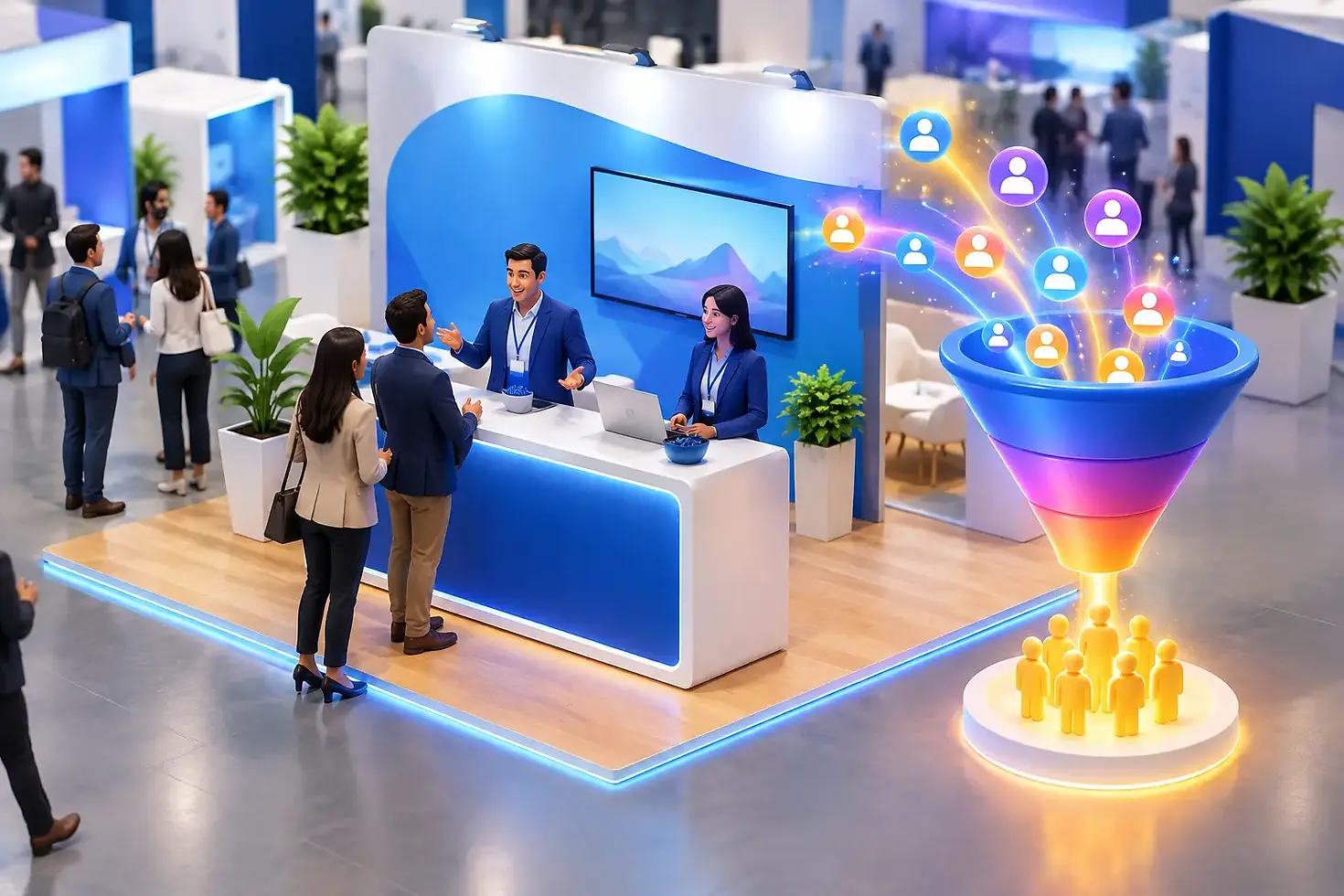
A busy exhibition stand can look successful from a distance and still deliver very little. Footfall is not the same as engagement, and a queue means nothing if visitors leave without understanding who you are or why they should speak to your team. The right exhibition magic outcomes turn a passing glance into a genuine commercial conversation.
For brand teams, sales leaders and exhibition organisers, intelligent live magic is not about filling space between meetings. It is a considered way to attract the right people, give them a reason to stop, and create a memorable opening for your team. No clichés, no gimmicks - just polished, contemporary entertainment designed around your objectives.
The outcome is not applause. It is attention with purpose.
At an exhibition, every exhibitor is competing for the same limited resource: attention. Bright stands, product demonstrations, hospitality and promotional giveaways all have their place, but most are easy to walk past. Close-up magic and mind reading create a moment of direct participation. People do not simply observe it. They become part of it.
That distinction matters. When a visitor is involved in a surprising, intelligent demonstration, they are more likely to pause, smile, ask questions and bring colleagues over. The experience gives your stand an immediate social energy without relying on loud sales tactics or a generic crowd-pulling routine.
The strongest exhibition magic outcomes are therefore strategic rather than superficial. A performer should create the first moment of intrigue, while your team uses that moment to begin a relevant conversation. The magic earns attention; the stand team gives that attention direction.
Better conversations start with the right crowd
A packed stand is not automatically a productive stand. If your team is trying to speak with procurement leaders, prospects or senior decision-makers, the entertainment must suit the environment and the audience. A premium presentation can attract interest while retaining the discretion and confidence expected in a professional setting.
This is where roaming close-up magic is particularly effective. Rather than waiting for visitors to find the stand, a magician can engage people in the aisle, at a hospitality area or during a quieter moment nearby. The interaction feels natural, not confrontational. Once a small group has formed, it becomes far easier for the team to welcome people onto the stand.
It depends, of course, on the event. At a major trade show with high footfall, the priority may be stopping power and short, repeatable interactions. At a specialist B2B exhibition, the priority may be more selective engagement with fewer but higher-value conversations. The performance style, pacing and positioning should reflect that difference.
A well-briefed performer can also help avoid a common problem: staff becoming trapped in lengthy discussions with visitors who are unlikely to buy. Entertainment creates a positive way to keep the atmosphere moving, allowing teams to focus their time where it has the greatest commercial value.
Brand recall comes from a shared experience
People may forget a brochure before they reach the next aisle. They are far less likely to forget the stand where something remarkable happened in their own hands.
The most effective performances give guests a story to tell. They may mention the impossible prediction that appeared at the right moment, the thought that seemed to be read, or the elegant piece of close-up magic that involved their colleagues. That story becomes attached to your brand because it happened in your space, with your people present.
Brand integration needs judgement. For some exhibitors, a subtle reference to a campaign message, product benefit or company value can deepen recall. For others, particularly luxury brands and high-level professional services, the better choice is a refined performance that supports the brand atmosphere without forcing a logo into every moment.
The trade-off is clear. Heavy-handed branding can make an experience feel like a sales device. Too little connection can make the entertainment feel separate from the stand. The best approach is tailored: one that reflects the character of the business while keeping the magic itself intelligent and credible.
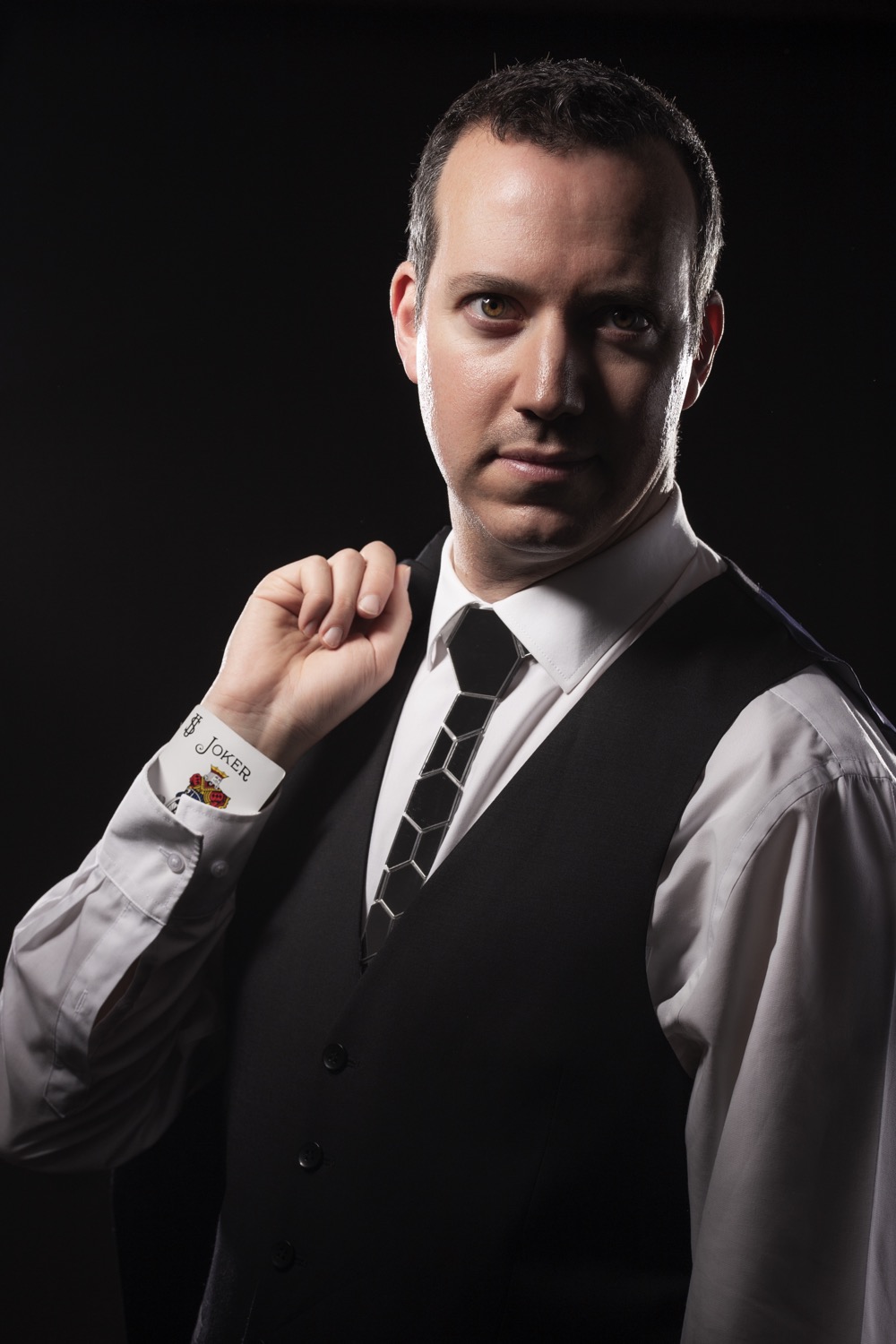
Stephen Barry works with clients to shape performances around the audience, brand and commercial purpose, so the experience feels like part of the event rather than an add-on booked at the last minute.
Your exhibition team needs an easy handover
Entertainment only produces leads when there is a clear next step. Before the event opens, agree how your team will join the interaction. This does not need a rigid script. In fact, an overly rehearsed handover can feel unnatural. It does need clarity.
A simple introduction works best when it follows the energy of the moment. After an engaging performance, a team member might welcome the visitor, ask what brought them to the exhibition, or connect the conversation to a demonstration already taking place. The aim is not to pitch immediately. It is to move from surprise to relevance without breaking the rapport that has just been created.
Consider where the interaction will happen, too. A magician working at the edge of the stand can draw people in. A performance inside the stand can make the space feel busy and desirable. Roaming nearby may be ideal where the stand has limited room or where conversations need to begin before guests arrive.
Timing is equally important. Peak visitor periods may call for visible, high-energy close-up performance. Quieter periods can be used for more personal demonstrations with prospects your team has identified. If you are hosting a drinks reception or client gathering alongside the exhibition, mind reading can provide a more considered, premium focal point after the main hall has closed.
Measure the commercial value, not just the reaction
The room will tell you quickly whether people are enjoying the entertainment. Measuring its business impact requires a little more discipline.
Start by deciding what success means for your exhibition. It could be qualified leads, booked demonstrations, meetings with existing clients, product trials, email sign-ups or a noticeable increase in time spent on the stand. Give your team a simple way to record how a visitor arrived and whether the interaction began during a performance.
Four useful measures are:
the number of meaningful conversations started during entertainment periods;
the proportion of those conversations that meet your qualification criteria;
demonstrations, appointments or follow-up calls booked on the day; and
feedback from staff on visitor quality, energy and ease of engagement.
These measures will not isolate every effect perfectly. Exhibitions have many moving parts, from stand location to pre-event invitations and the strength of the offer. But comparing peak entertainment periods with quieter times gives useful evidence for future planning.
It also helps to look beyond the immediate lead count. A premium live experience can improve team morale, make client hospitality feel more considered and give social content a genuine human moment. Those benefits matter, particularly when the event is designed to build relationships rather than close a transaction on the exhibition floor.
Choose sophistication over spectacle
The wrong entertainment can undermine an otherwise exceptional stand. Outdated props, intrusive comedy or noisy performance can feel at odds with a premium product, a luxury environment or a senior audience. Guests should feel impressed, included and comfortable - never cornered or embarrassed.
That is why the performer’s judgement is as valuable as the performance itself. They need to read the room, respect conversations already under way, adapt to fluctuating footfall and represent the brand appropriately. For international audiences, mixed groups and high-profile guests, that awareness is non-negotiable.
The best exhibition entertainment does not demand attention for its own sake. It creates a reason for the right people to stop, gives your team a confident way to start talking, and leaves visitors with a memory worth repeating. Plan the interaction as carefully as you plan the stand, and the result can be far more valuable than a crowd.


Comments