.png)

Corporate Mentalism That Makes Events Matter
A drinks reception can look impressive and still feel strangely flat. Guests arrive, collect a glass, exchange polite introductions and wait for the room to find its energy. Corporate mentalism changes that dynamic quickly and intelligently. It gives people a reason to speak to one another, react together and remember the occasion as something more than another date in the diary.
For event planners and corporate hosts, that difference matters. Entertainment should not sit awkwardly beside the event objective. It should support it - whether the aim is to welcome clients, reward a team, attract attention at an exhibition or give a senior audience an experience that feels genuinely considered.
What corporate mentalism brings to an event
Mentalism is often described as mind reading, but the live experience is more sophisticated than that label suggests. It combines psychology, intuition, suggestion and impossible moments of apparent prediction to create immediate reactions from the people in front of the performer.
In a corporate environment, its value lies in how naturally it creates connection. A well-judged performance does not require a stage, a formal introduction or an audience prepared to be entertained. It can begin within a small group during a reception, around a table between courses or in a busy exhibition aisle. Within moments, strangers are sharing the same question: how was that possible?
That shared reaction is commercially useful. It breaks the early-event stiffness that can limit networking, gives hosts a natural point of conversation and makes guests feel that the occasion has been elevated for them. The best moments are not simply witnessed. They are retold across the room.
Why it works for discerning corporate audiences
Senior guests, clients and experienced event attendees have seen their share of standard entertainment. They do not need louder music, forced participation or an act that interrupts a conversation at the wrong moment. They respond to confidence, timing and an experience that respects their intelligence.
Contemporary corporate mentalism has that restraint. It can be quietly intriguing at first, then build to a reaction that stops a group in its tracks. The performance is personal without becoming intrusive, and engaging without demanding the attention of the entire room.
This is particularly effective at events where the audience is mixed. A room may include long-standing clients, prospective partners, board members, new recruits and international visitors. A strong mentalist can move comfortably between groups and create moments that work regardless of age, role or familiarity with one another.
The tone is crucial. No clichés, no gimmicks, and no routines that risk making a guest feel exposed. Premium event entertainment should add polish to the room, not ask the room to lower its standards.
Where corporate mentalism has the greatest impact
The format should follow the event, not the other way round. At a networking reception, close-up mentalism works well because it gives guests an easy route into conversation. Rather than standing in fixed circles with little momentum, groups form naturally around moments of astonishment, then continue talking after the performance moves on.
At a gala dinner or awards evening, table-side mentalism can sustain energy during the arrival period or between courses. It keeps the evening feeling live without competing with speeches, service or the main stage schedule. If the event calls for a single shared highlight, a tailored stage performance can bring the room together with a more theatrical finale.
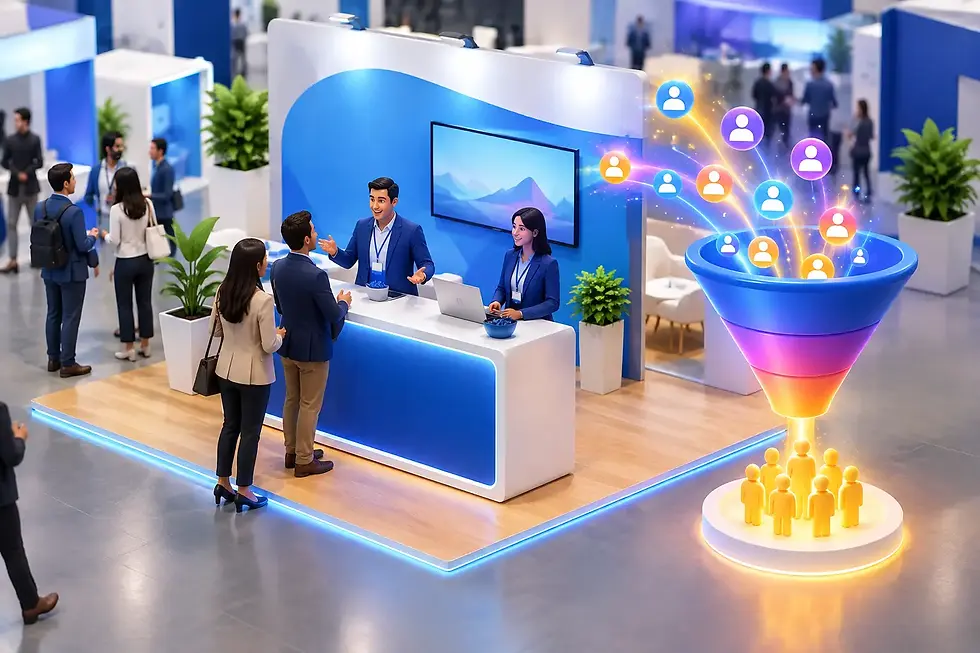
Exhibitions present a different opportunity. Here, the aim is often to stop the right people, begin meaningful conversations and make a brand memorable among competing stands. A mentalism performance can draw attention, but it should never become a crowd for its own sake. The strongest approach creates curiosity, then gives the exhibition team space to meet and qualify visitors.
Product launches, leadership meetings and internal conferences can also benefit when the performance reflects the purpose of the day. A prediction that appears to anticipate a campaign message or a themed piece built around company values can feel exceptionally powerful. It must be handled with care, though. Brand integration should enhance the experience, not turn it into a sales script guests can see coming.
Tailoring the performance without overengineering it
Clients often ask whether their company name, product or messaging can be incorporated. The answer is usually yes, but the better question is whether it will improve the guest experience.
A subtle reference to a campaign, destination, product launch or company milestone can make the entertainment feel exclusive to the occasion. It signals preparation and gives guests a moment they could not have had at another event. For high-profile events, that sense of one-off relevance is part of the value.
Overbranding, however, can weaken the impact. If every reveal leads back to a logo or key message, guests may admire the effort but feel they have been marketed to. The most effective bespoke material uses the brand as a thread, not a headline. It keeps the impossible moment at the centre, with the commercial message landing naturally around it.
A professional consultation makes this balance easier to judge. The important details are rarely limited to the company name. Guest profile, venue layout, running order, event purpose, service timings and the desired atmosphere all affect the right format. A packed London drinks reception calls for a different approach from a private board dinner in Hertfordshire, even when the brief appears similar on paper.
Choosing close-up, stage or a combined format
Close-up mentalism is usually the most flexible choice for receptions, dinners and networking events. It happens within small groups, so the experience feels direct and personal. It is also ideal where guests arrive at different times or move freely through several spaces.
Stage mentalism is designed for collective impact. It works best when there is a clear point in the schedule for everyone to focus, such as after dinner, before an awards presentation or as a conference energiser. The production requirements may be greater, but the reward is a single memorable experience shared by the entire room.
For larger occasions, a combined format is often the strongest answer. Close-up performance builds atmosphere as guests arrive, while a short stage set provides a focal point later in the evening. It depends on the event flow and budget, but this combination avoids the common problem of entertainment feeling either too fleeting or too formal.
The venue also matters. Tight spaces, high noise levels and multiple rooms may favour intimate performance, while a well-equipped ballroom can support a larger presentation. An experienced performer plans around these realities rather than assuming every event should look the same.
What professional delivery looks like behind the scenes
Guests should see an effortless performance. The organiser should experience clear communication, sensible planning and complete reliability.
That begins before the event with a concise discussion around timings, access, dress code, audience and any sensitivities. It continues with a performer who arrives prepared, reads the room and works alongside venue staff, hosts and production teams without creating extra work. At premium events, this discretion is not a bonus. It is expected.
The performer must also know when not to perform. During an important introduction, an emotional speech, a plated service or a private conversation, good judgement matters as much as showmanship. The aim is to raise the energy at the right time, then move on before attention becomes pressure.
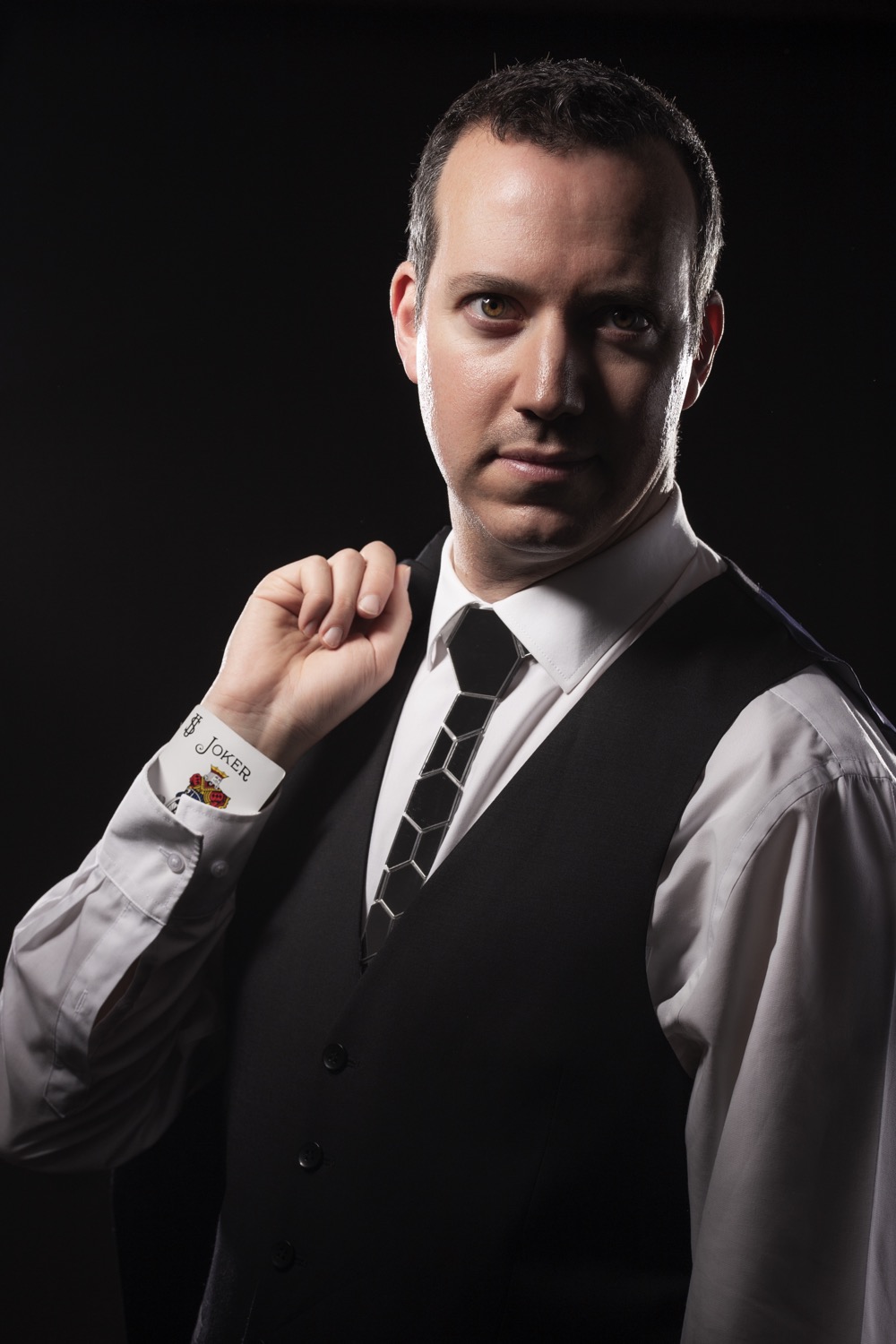
Stephen Barry approaches corporate entertainment as an event-enhancement service, creating polished mentalism that feels contemporary, personal and appropriate to the occasion. That standard is why experienced planners look beyond a generic act and choose entertainment that represents their brand well.
Questions to ask before booking
Before confirming a corporate mentalist, consider the outcome you want guests to take away. Is the priority better networking, a memorable client touchpoint, exhibition footfall, team recognition or a standout shared finale? The answer will guide the format more effectively than choosing entertainment by name alone.
Ask how the performance will fit around the schedule, whether material can be tailored thoughtfully and what experience the performer has with comparable audiences. Video and client feedback are useful, but so is the quality of the initial conversation. A supplier who asks precise questions about your event is more likely to deliver something that belongs in it.
Finally, be clear about the atmosphere you want to protect. Some events need high energy and visible reactions. Others need sophistication, discretion and small moments of surprise woven through the room. Corporate mentalism can do both, provided it is designed around the people attending rather than treated as a standard booking.
The right performance does more than fill a gap in the running order. It gives guests a story to carry into their next conversation, their journey home and the days that follow - which is exactly where a well-planned event earns its lasting value.


Comments