

Stage Magic That Gives Events Real Presence
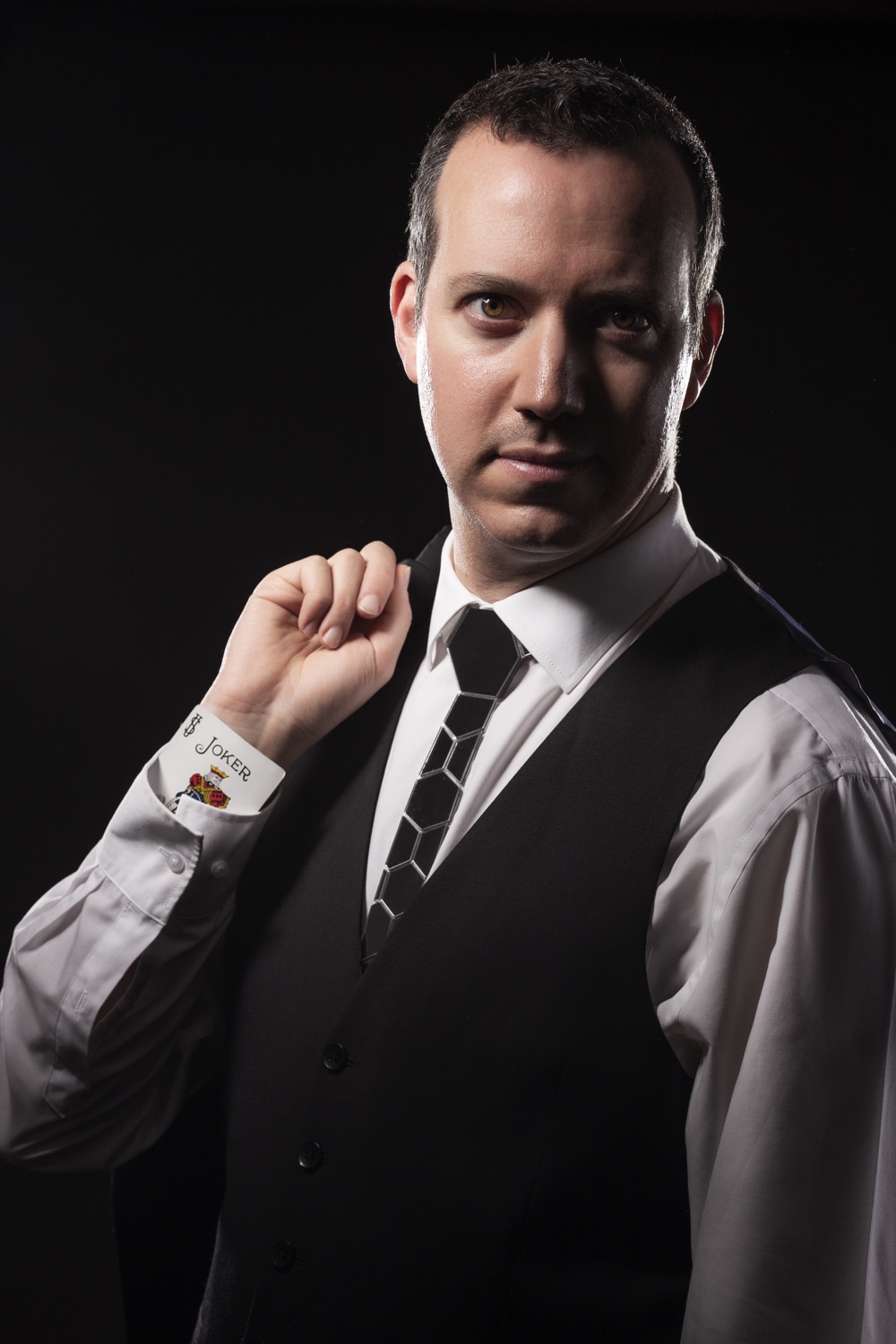
A room can look exceptional and still feel strangely flat. The food may be impeccable, the venue beautifully dressed and the guest list exactly right, yet people remain in familiar groups, checking their mobile phones between courses or waiting for the next scheduled moment. Stage magic changes that dynamic when it is designed for the room, rather than simply performed in it.
At its best, a live magic performance gives guests a shared point of focus. It creates laughter, surprise and conversation at the same moment, turning an audience into part of the occasion. For event planners, couples and hosts, that is the difference between a well-organised event and one people continue talking about afterwards.
Why Stage Magic Works at Premium Events
A strong stage performance does more than fill a gap in the running order. It gives an event rhythm. Guests settle, look up and experience something together, whether they are colleagues who have only just met, wedding guests from different sides of a family or clients attending a high-profile brand occasion.
Unlike entertainment that asks guests to participate on demand, contemporary magic can draw people in without putting them under pressure. The best moments feel personal, but the room is always comfortable. A volunteer may become the centre of an astonishing reveal, yet they are treated with warmth and respect, never made to feel exposed for the sake of a laugh.
That judgement matters. At a corporate awards evening, the performance needs to feel aligned with the level of the room. At a wedding, it should add momentum without pulling attention from the couple. At a private dinner, it needs enough sophistication to complement the setting, rather than compete with it. No clichés, no gimmicks, and no one-size-fits-all routines.
Stage Magic Is Not Just a Show
The phrase can suggest a large theatre, dramatic props and a distant performer. Modern stage magic for events is far more adaptable. It may be an after-dinner set for 40 guests, a dynamic presentation for a conference audience of several hundred, or an intelligent mind-reading performance placed between keynote speakers.
What matters is not the size of the stage but the clarity of the experience. Every guest should be able to follow the action, understand why it matters and feel the reaction building around them. This is why visual moments, carefully structured audience participation and precise pacing are more valuable than complexity for its own sake.
For corporate events, a tailored performance can reinforce a message without becoming a disguised sales presentation. A product launch may call for a reveal that supports anticipation. A leadership conference may benefit from material around decision-making, perception or influence. An awards dinner may simply need a confident, high-energy lift after the meal. The commercial objective should guide the creative choices, not be awkwardly forced into them.
For weddings and private celebrations, the objective is usually more emotional: bring people together, create an occasion with personality and make sure the energy carries through the evening. Here, stage magic works particularly well after dinner, before an evening reception or at the point guests need a fresh reason to gather.
The Difference Between Close-Up and Stage Performance
Both formats create memorable reactions, but they solve different event challenges.
Close-up magic is immediate and conversational. It works among small groups during a drinks reception, wedding breakfast turnaround, networking event or dinner. Guests see the impossible happen in their own hands, often becoming the story-tellers who carry the experience around the room. It is ideal when people are moving, mingling and meeting one another.
A stage performance gives the whole room one moment. It is useful when an organiser wants to gather attention, reset the atmosphere or give every guest an equal part in the entertainment. The effect is collective: the reaction lands across tables, colleagues see one another respond and conversations begin before the applause has finished.
Many events benefit from both. Close-up magic can break the ice on arrival, while a short stage set provides a memorable centrepiece later on. It depends on guest numbers, timetable, room layout and the purpose of the occasion. A skilled performer will advise on the format that serves the event rather than simply offering the biggest package.
What Makes a Stage Magic Performance Feel Premium
Premium is not a matter of adding more equipment or making every moment louder. It is the result of control: control of tone, timing, audience involvement and presentation.
First, the material must be contemporary. Audiences are sophisticated and quick to recognise anything that feels tired. A polished performance avoids dated lines, oversized props and the sort of forced humour that can undermine an otherwise carefully planned event. The focus should remain on intelligent astonishment, real connection and a performer who can read the room.
Second, the performance must be visually and technically appropriate. In an intimate dining room, a concise set with clear effects may be more effective than a full production. In a ballroom or conference suite, sightlines, lighting, microphones and staging become part of the planning. Even the strongest material loses impact if guests at the back cannot follow it or if the sound is inconsistent.
Third, the performer needs event awareness. There is a significant difference between entertaining an audience and supporting an event. A professional should arrive prepared, liaise with the venue or production team, understand the schedule and adapt if speeches run late or the room changes. That reliability is often invisible to guests, which is precisely the point.
Planning Stage Magic Into Your Running Order
The most effective placement is usually deliberate rather than convenient. Booking a performer simply because there is an empty 30-minute slot can work, but it misses the opportunity to use entertainment strategically.
For a corporate dinner, the period after the main course is often ideal. Guests are seated, service has eased and attention can be brought back to the room before awards, speeches or a transition into the evening. For a conference, a short performance can act as an energising opening or a sharp reset after a content-heavy session.
At a wedding, a stage set can work beautifully after the wedding breakfast, especially while the room moves towards evening celebrations. It gives guests who may not know each other a collective experience and prevents that familiar lull while the schedule changes around them.
Brief the performer early on the audience, venue, event purpose and desired atmosphere. Share anything that affects the room: senior guests, brand sensitivities, international attendees, key messages or planned surprises. The more context available, the more naturally the performance can sit within the occasion.
Questions Worth Asking Before You Book
The right conversation is not only about availability and price. Ask how the performance will be tailored to your guest numbers and venue, what technical requirements are needed, and where it will fit best in the schedule. A confident professional should be able to explain this clearly without overcomplicating the process.
It is also sensible to ask about audience participation. The answer should reassure you that guests are invited, not ambushed. The most memorable performances create big reactions while protecting the comfort and dignity of everyone involved.
Finally, look for evidence of experience in rooms similar to yours. A performer trusted by celebrities, global brands and high-level clients understands that their conduct is part of the event experience. They are representing your organisation, your venue or your celebration from the moment they arrive.
The Result Guests Remember
People rarely remember every detail of a well-planned event. They remember how it felt. They remember the table erupting in disbelief, the colleague they finally spoke to, the shared silence before an impossible reveal and the conversation that followed it.
That is the real value of stage magic. It gives an event a moment of genuine presence, then leaves guests with something far more useful than a polite memory: a story they want to tell. For hosts who expect their occasion to stand apart, the right performance is not an added extra. It is the moment that brings the room together.


Comments