.png)

Mentalism Versus Traditional Magic for Events
A guest writes down the name of a person they have never met. Another merely thinks of a word. Moments later, the answers are revealed with unnerving precision. That is the immediate distinction in mentalism versus traditional magic: one can feel like an impossible insight into the mind, while the other makes the physical world behave in ways it should not.
For an event organiser, however, the more useful question is not which is more impressive. It is which experience best fits the room, the guests and the outcome you want from the occasion. The right choice creates conversation, brings people together and reflects the standard of the event. The wrong choice can feel disconnected from the atmosphere you have worked hard to create.
Mentalism versus traditional magic: the essential difference
Traditional magic is usually visual and tangible. A signed card appears somewhere impossible, borrowed objects change in a spectator's hands, or a ring vanishes and returns. The audience sees a clear moment of impossibility, often with a playful sense of surprise. It is immediate, accessible and highly effective in close-up settings where guests are moving between drinks, dinner or conversation.
Mentalism centres on thoughts, decisions, intuition and apparent influence. It may involve predictions, mind reading, psychological demonstrations or impossible coincidences that seem personally tailored to the people involved. Done well, it is not presented as a claim of supernatural ability. It is a sophisticated performance that allows guests to wonder how a private choice could possibly have been known.
The categories are not as separate as they first appear. A contemporary performer may blend both disciplines within a single set, using visual magic to establish energy and mentalism to create a more personal, memorable peak. What matters is the tone: traditional magic tends to produce instant astonishment, while mentalism often produces a longer conversation afterwards.
What your guests will feel
The strongest event entertainment is never just something guests watch. It gives them a reason to interact. Both formats do this, but they create a different type of social response.
Close-up magic has broad, fast appeal. It works across mixed-age groups and is particularly valuable at receptions, drinks events and networking occasions, where people need a natural prompt to start talking. A group gathers around a short performance, reacts together, then carries that energy into the next conversation. Nobody needs prior knowledge of magic, and nobody has to be placed uncomfortably in the spotlight.
Mentalism often feels more intimate. A revelation connected to a guest's own thought or decision has a particular emotional weight. In a corporate environment, it can suit a polished audience that values intelligence, wit and a more grown-up style of entertainment. At a wedding or private dinner, it can make a table of guests who have only just met feel as though they have shared something genuinely extraordinary.
There is a trade-off. Mentalism needs clarity, attention and careful pacing. A loud, fragmented room may not offer the right conditions for a longer mind-reading routine, especially if guests are constantly being called away. Traditional close-up magic can be easier to absorb in those moments because the effect is visual, concise and immediately understood. An experienced performer adjusts the material to the environment rather than forcing a set piece into the wrong space.
Choosing entertainment for corporate events
For corporate events, the decision should begin with the event objective. If the priority is driving footfall to an exhibition stand, traditional close-up magic can stop people in their tracks and create an easy opening for the sales team. Short, visual effects work well when visitors have limited time and the venue is busy. Bespoke presentation can also make a product message or brand value feel more engaging without turning the performance into an advert.
Mentalism is especially effective where the goal is influence, conversation and premium hospitality. A thought-of company value revealed in an unexpected way, or a prediction linked to a keynote theme, can support an event's message with greater subtlety. For leadership dinners, client entertaining and awards evenings, its intelligent tone can feel entirely at home among senior guests.
That does not mean mentalism is automatically the corporate choice. A lively summer party or large-scale drinks reception may benefit more from the pace and visual impact of close-up magic. Equally, a formal boardroom dinner may call for a quieter, more considered approach. The best format is guided by the schedule, guest profile, venue acoustics and how much participation feels appropriate.
Stage moments need a different lens
For a stage or after-dinner performance, mentalism can play particularly well. It gives a larger audience a shared narrative: a prediction made at the beginning may return later, or several audience choices can come together in one impossible finale. It feels polished and theatrical without relying on dated props or predictable comedy.
Traditional stage magic can be equally powerful when the event calls for spectacle, visual variety and high energy. The key is to avoid treating either option as a generic cabaret slot. A premium performance should be built around the room, the running order and the people present, with participation that is voluntary, good-natured and never embarrassing.
The wedding and private-event perspective
At weddings, close-up magic is often the most flexible choice. The photographs may be taking longer than expected, the meal may be delayed or evening guests may be arriving at different times. A skilled magician can work naturally around these moments, entertaining small groups without interrupting the day. It keeps the atmosphere buoyant while the couple enjoy the confidence that guests are being looked after.
Mentalism can add a distinctive layer to a wedding, particularly during the wedding breakfast or in a tailored evening set. A personal revelation can feel more meaningful than a purely visual trick, but it needs the right performer and the right moment. The focus should remain on the couple and their guests, never on making the entertainer the centre of the occasion.
For milestone birthdays, private dinners and luxury celebrations, a blend is often the strongest answer. Visual magic breaks the ice early; mentalism later creates a more intimate sense of occasion. This variety gives guests different ways to engage, whether they want to laugh, watch closely or become part of the moment.
Style matters as much as the format
The terms magic and mentalism can bring very different images to mind. Some clients worry about old-fashioned props, forced jokes or intrusive audience participation. Those concerns are valid when entertainment is chosen without considering the standard of the event.
Contemporary performance should feel relaxed, intelligent and appropriate to the audience. There is no need for clichés, no gimmicks and no pressure on guests to perform. The most effective performer reads the room, knows when to approach a group and knows when to step back. They can entertain confident extroverts without overlooking quieter guests, and maintain the same level of polish whether performing for ten people or several hundred.
This is also why consultation matters. A brief discussion before the event can establish where the performance will happen, when guests are most receptive, what the brand or hosts want people to remember and any sensitivities around participation. These details turn entertainment from an item on a supplier list into part of the event design.
Is a combined approach the better choice?
Often, yes. Asking a performer to use both mentalism and traditional magic gives them more tools to respond to the room. At a networking reception, they may begin with visual, high-impact material for newly formed groups, then move into mind reading once guests are settled and conversations have developed. At a gala dinner, close-up sets during drinks can lead naturally into a mentalism feature after the meal.
A combined approach is not about fitting in more tricks. It is about creating rhythm. Guests experience surprise in different forms, and the entertainment feels varied without becoming overbearing. For clients planning an important occasion, that flexibility is valuable insurance against the inevitable changes in timing and atmosphere that happen at live events.
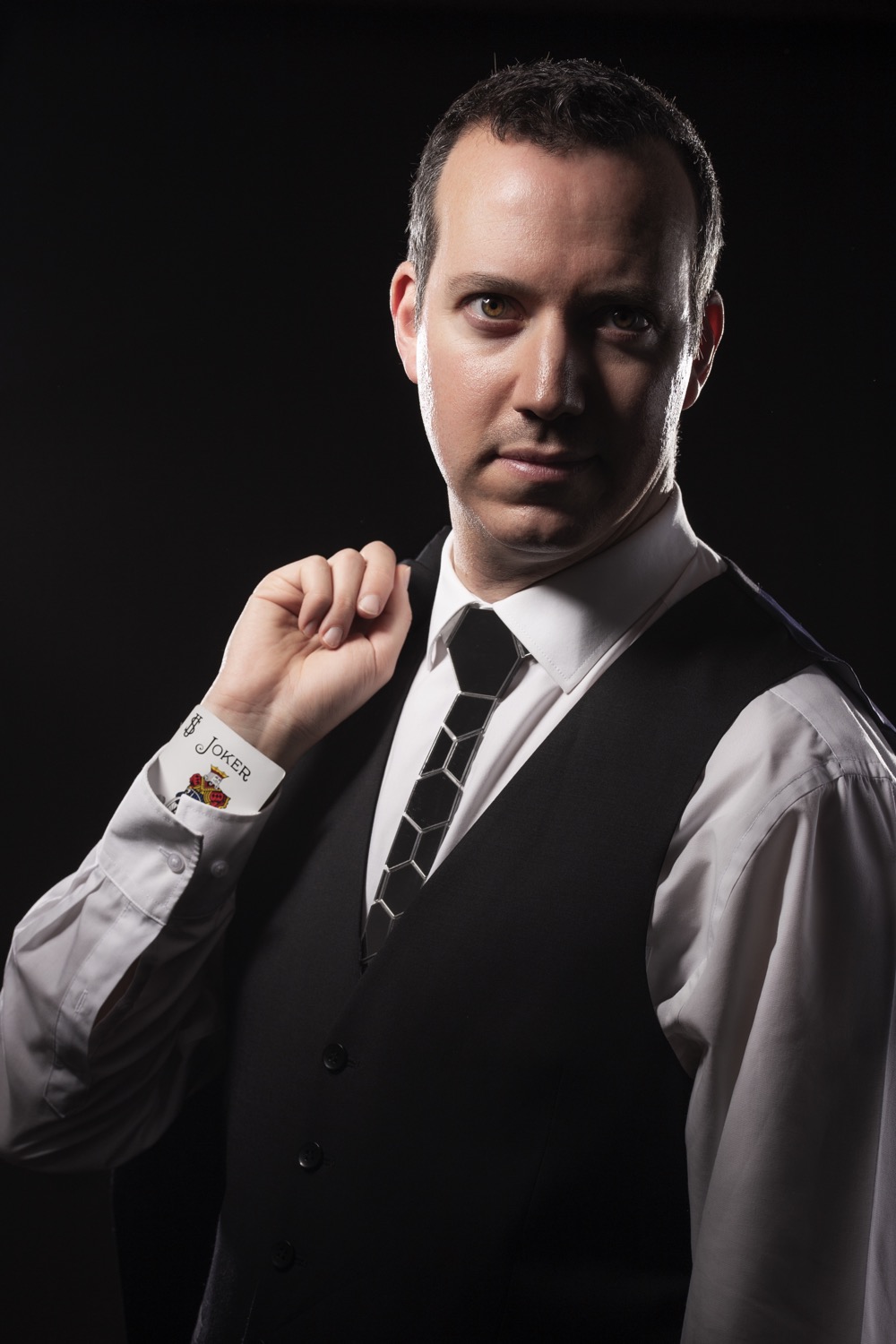
Stephen Barry creates contemporary magic and mind-reading experiences designed around the audience, venue and purpose of the event. Whether the brief calls for elegant close-up interaction, a high-impact mentalism moment or both, the standard should always be the same: guests leave with a story they genuinely want to tell.
When choosing between the two, picture the conversations you want to hear afterwards. If guests are saying, “How did that happen?”, traditional magic has done its job. If they are still debating, “How could he possibly know that?”, mentalism may be the perfect fit. The finest events make room for that sense of wonder, then let it belong entirely to the people in the room.



Comments